Kenya finds itself at a crossroads as it approaches International Women’s Day. The East African nation faces a brutal femicide crisis, with hundreds of women murdered in recent years.
Benta Moige, a high court advocate, blames a deep-rooted patriarchy that views women as inferior and fosters a culture of impunity for perpetrators. “Women are seen as those without rights, expected to conform to social norms that leave them vulnerable to violence,” Moige told Anadolu.
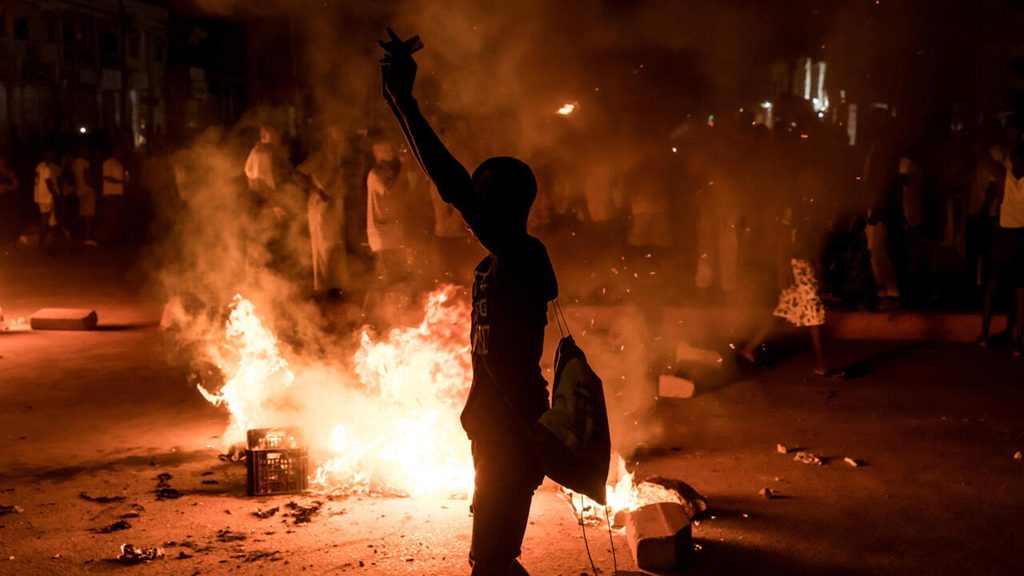
While Kenya has laws against gender-based violence, they have proven largely ineffective. Recent mass protests highlight the public’s outrage. Independent organizations like Femicide Count Kenya and Africa Data Hub paint a grim picture, with estimates suggesting over 500 women murdered since 2016.
Data from Femicide Count Kenya shows 2023 witnessed the highest number of killings in five years, with at least 152 women murdered. Intimate partner violence (IPV) appears to be a significant factor, with Africa Data Hub estimating 75% of cases involve someone the victim knew. Husbands and boyfriends are the most common perpetrators. The brutal January murder of 26-year-old Starlet Wahu by her boyfriend ignited national outrage, highlighting the need for stricter laws and stronger mechanisms to protect women from IPV.
Wambui Muchiri, a women’s rights activist, emphasizes, “The issue is not the women, but murderers targeting them. We’re tired of it.” Activists like Muchiri argue the narrative surrounding femicide is misplaced, focusing on supposed moral failings of the victims rather than the actions of the perpetrators. With International Women’s Day approaching, Kenya stands at a critical juncture. The nation must confront its patriarchal norms and enact meaningful change to end the femicide crisis.