In a development that brought national sighs of relief, over 130 schoolchildren abducted by gunmen on March 7th were released unharmed on Sunday. The mass kidnapping in Kuriga, Kaduna state, was one of the biggest in recent years and sparked outrage over insecurity in the region.
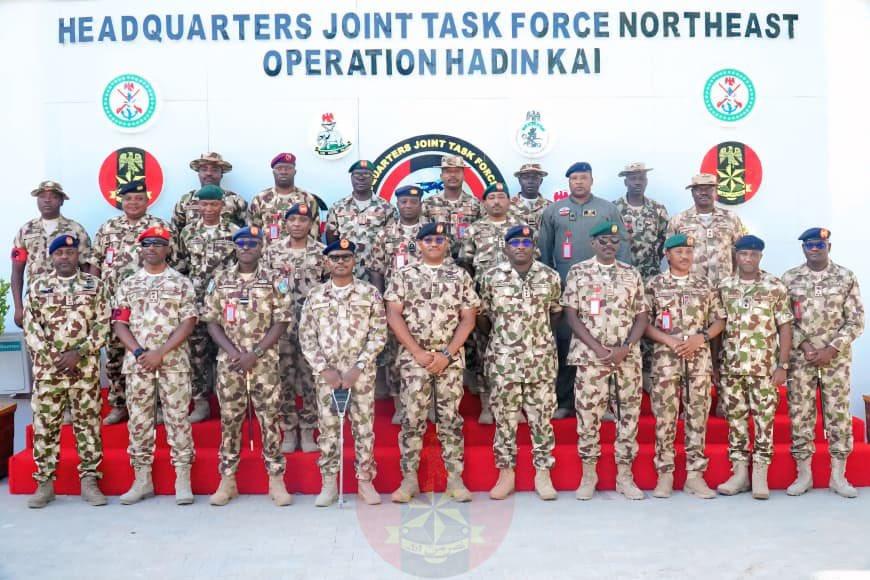
Initial reports from teachers and residents suggested around 280 students were kidnapped. However, the Nigerian army confirmed the release of 137 pupils, with 76 females and 61 males. This discrepancy is not uncommon in such situations, as some who initially flee attacks may return home later.
Details surrounding the release remain unclear. Governor Uba Sani of Kaduna state expressed joy at the children’s safe return and thanked the army, President Tinubu, and all Nigerians who supported the rescue efforts.
Gangs known locally as bandits are suspected perpetrators. These groups routinely target communities, loot villages, and carry out mass kidnappings for ransom in Nigeria’s northwest and north-central regions.
While authorities maintain a policy of not paying ransoms, negotiations often lead to the release of kidnap victims. A recent law prohibits ransom payments, but the true extent of compliance remains unclear.
Nigeria’s Kidnapping Crisis
This incident is just one example of a larger problem. Nigeria faces a wave of mass kidnappings, with many victims still missing. Last weekend alone, kidnappers abducted over 100 people in two separate attacks within Kaduna state.
The rise in kidnappings is attributed to various factors, including the country’s economic crisis and the desperation it creates.
This situation comes on the heels of the infamous 2014 Chibok schoolgirls’ abduction by Boko Haram militants, a group still active in the northeast alongside the Islamic State West Africa Province (ISWAP).
While schools were previously spared by bandit gangs, the recent Kuriga attack marks a worrying escalation.