A glimmer of hope emerged in the Democratic Republic of Congo’s (DRC) war-torn eastern region as a two-week humanitarian truce commenced on July 5th.
The ceasefire, announced by the United States, aims to create a window for relief efforts and a potential path towards a lasting peace.
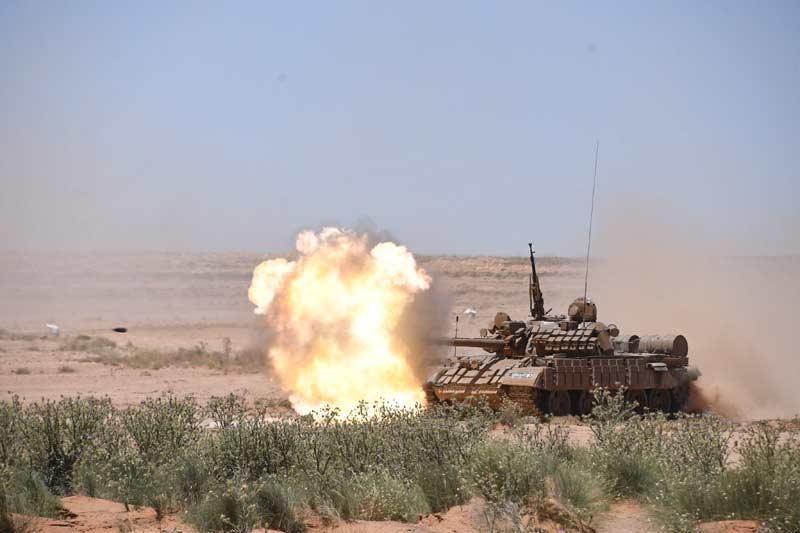
The truce comes amidst ongoing conflict between the Congolese government (Kinshasa) and the M23 rebel group, predominantly composed of Tutsis.
Kinshasa accuses neighboring Rwanda of backing the M23, a claim Rwanda vehemently denies. The rebels have captured significant territory in eastern DRC since launching an offensive in 2021.
Despite the US announcement, Kinshasa has yet to acknowledge the truce publicly.
However, reports from the Masisi region indicate a sense of cautious optimism. Local residents and officials expressed hope for a sustained cessation of hostilities.
The primary objective of the truce is to alleviate the dire humanitarian situation in North Kivu province.
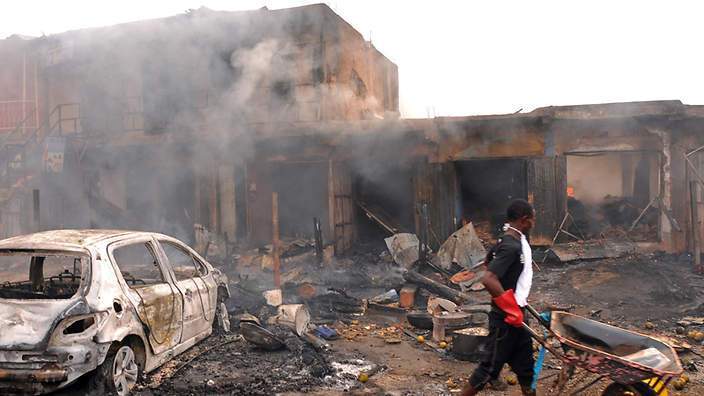
Millions of people remain internally displaced due to the violence, and recent fighting further hampered vital aid deliveries.
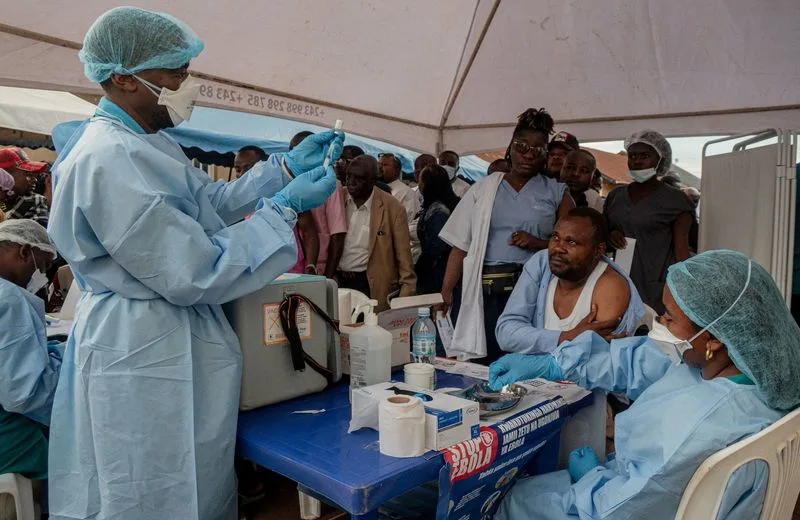
The truce aims to facilitate the safe return of displaced individuals and allow humanitarian workers unfettered access to deliver critical assistance.
This ceasefire attempt follows a similar effort brokered by the US in December 2023. Unfortunately, that ceasefire proved short-lived, collapsing just ten days after the country’s elections.
The success of this latest initiative remains to be seen. Still, it represents a crucial opportunity to address the ongoing crisis and pave the way for a more permanent resolution to the conflict.