A report from two research groups linked to NYU reveals that Rwanda’s effort to safeguard its interests against Uganda is a primary cause behind the recent resurgence of the M23 rebellion in eastern DR Congo.
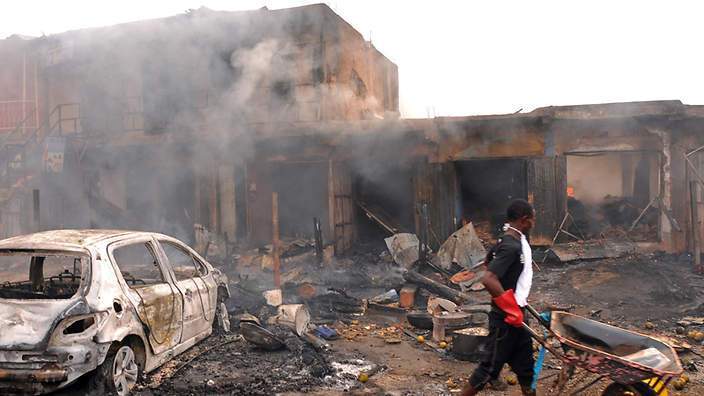
The M23, which had been inactive for a decade, launched an offensive in North Kivu at the end of 2021.
Since then, it has captured extensive territory in the eastern Democratic Republic of Congo (DRC).
The DR Congo-based Ebuteli institute and NYU’s Congo Research Group assert that the rebellion is mainly a strategy for Rwanda to exert influence against Uganda, rather than solely a reaction to Congolese support for the FDLR.
Kigali, which has a ceasefire agreement with Kinshasa starting August 4, views the presence of the Democratic Forces for the Liberation of Rwanda (FDLR) in eastern DRC as a threat to its borders.
The FDLR descended from groups involved in the 1994 Rwandan genocide.
The report disputes claims that the M23’s resurgence was a reaction to Congolese anti-Tutsi violence.
Instead, it suggests that Rwanda’s strained relations with Uganda and subsequent marginalization feelings were key drivers behind M23’s revival.