Local journalists in Africa’s Sahel region are facing growing security threats, according to a media freedom group on Tuesday, as the region grapples with escalating extremist attacks and military coups in recent years.
Since November of last year, at least two community radio journalists have been killed and two others kidnapped by armed groups in Mali and Chad, Reporters Without Borders (RSF) stated, urging increased protections for local media professionals.
“These incidents once again highlight the deteriorating security environment that journalists in the Sahel are working under,” said Anne Bocandé, RSF’s editorial director.
“Journalists remain in these areas, where no other media professionals have access,” she added.
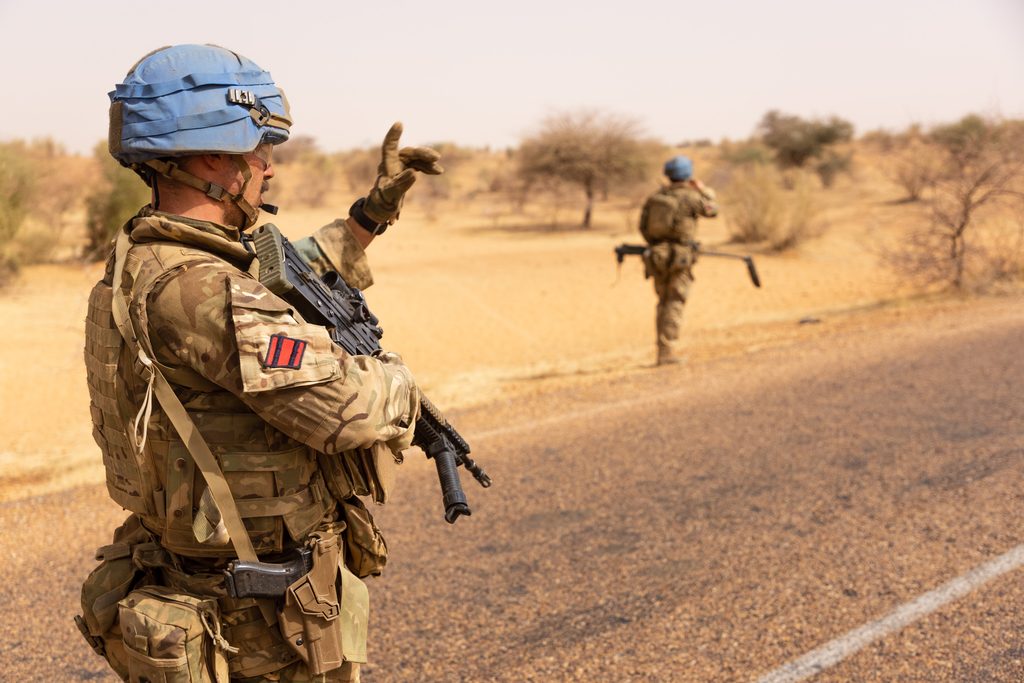
The Sahel, a vast arid region south of the Sahara, has seen military coups in three of its countries in recent years. Mali, Niger, and Burkina Faso are now under military rule, with leaders who seized power by force, promising enhanced security for their populations.
However, analysts report that security in the Sahel has further deteriorated under military rule, with a surge in violent attacks and civilian deaths at the hands of both Islamic militants and government forces.
In the first half of this year alone, 3,064 civilians were killed, reflecting a 25% increase in violence compared to the previous six months, according to the Armed Conflict Location and Event Data Project.
Simultaneously, the ruling juntas have tightened restrictions on political opposition and the media. Earlier this year, authorities in Mali prohibited media outlets from covering activities of political parties and associations, while Burkina Faso suspended both the BBC and Voice of America for their reporting on a mass killing of civilians by the nation’s armed forces.
In June, at least three journalists in Burkina Faso disappeared under suspicious circumstances, according to the Committee to Protect Journalists.
“In general, these three juntas suppress media coverage whenever security issues are portrayed unfavorably or when abuses are exposed,” said Sadibou Marong, head of Reporters Without Borders’ sub-Saharan Africa office, in an interview with The Associated Press.