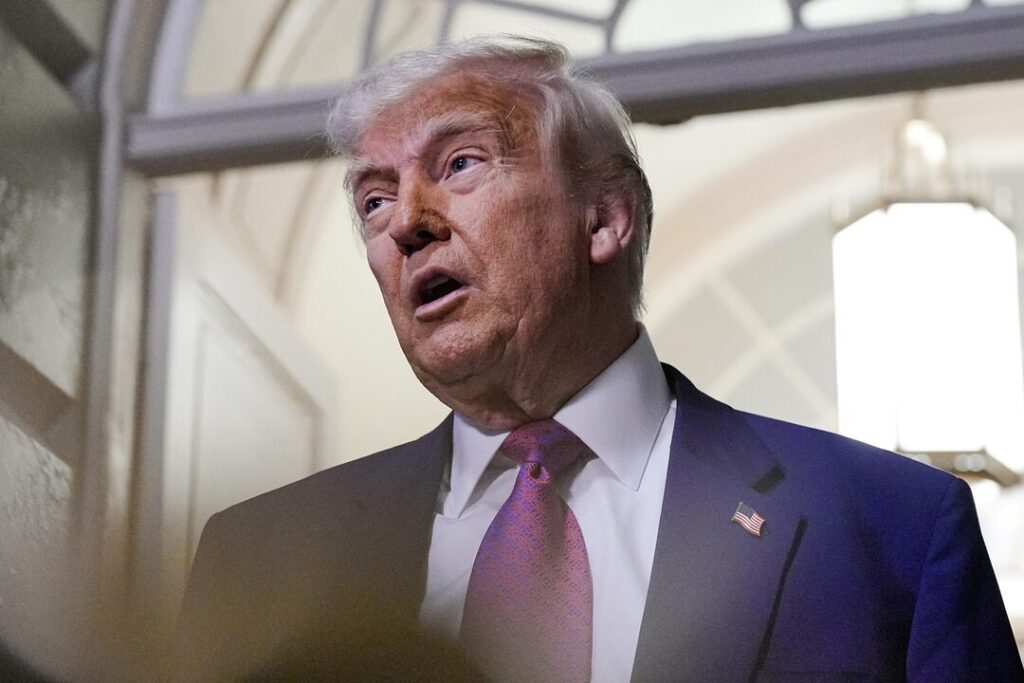
The United States Citizenship and Immigration Services (USCIS) has begun a broad review of green cards issued to residents from what it described as “countries of concern”, a list that includes Sudan, following direct instructions from President Donald Trump.
The decision has raised anxiety among thousands of immigrants from the Middle East and Africa, as the review covers all green cards issued in recent years, with particular attention on the 19 countries named in the June presidential announcement. These include Sudan, Afghanistan, Burma, Chad, DRC, Equatorial Guinea, Eritrea, Haiti, Iran, Libya, Somalia, Yemen, Burundi, Cuba, Laos, Sierra Leone, Togo, Turkmenistan and Venezuela.
Expanded review
USCIS said it would not provide further details about how long the review would take or what criteria would be applied. However, sources told media that the move reflects a major reassessment of immigration policies that had been in place since the Biden administration.
The shift indicates a tighter approach to immigration files, with greater emphasis on security backgrounds and re examining past decisions.
Impact on Sudanese residents
Sudanese immigrants form a significant portion of green card holders who arrived in the US through family reunification, refugee programmes and special visas.
According to immigration specialists, the new review could slow down residency renewals, reopen older security files and re evaluate some asylum approvals issued in recent years.
This has generated concern among Sudanese residents who fear potential restrictions or changes to their legal status, especially with expanding security scrutiny.
Security backdrop
The tighter measures were announced shortly after two National Guard members were shot in Washington, an incident President Trump used to justify the immediate action.
The suspect arrived in the US in 2021 under the “Welcome Allies” programme for Afghans who assisted US forces. He received asylum in April after passing all security checks.
The White House said the attack highlighted “gaps that must be closed immediately”, a message that signals a wider reshaping of US immigration and asylum policies in the coming period.