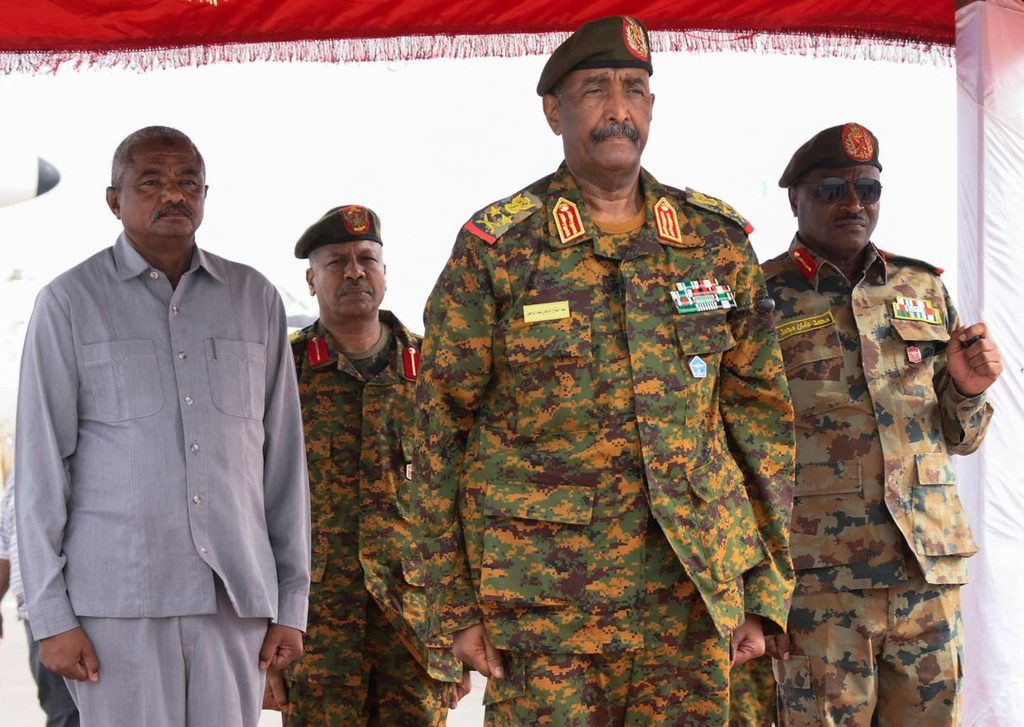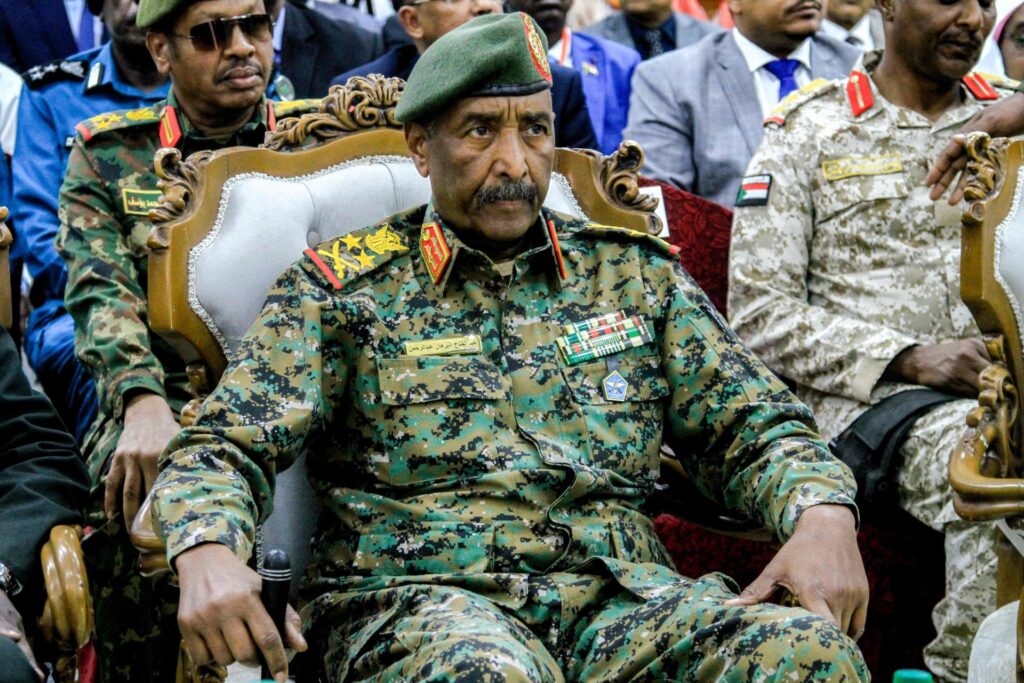
Sudan’s military leadership has doubled down on its hard-line stance, with Sovereign Council head and army chief Abdel Fattah al-Burhan declaring that no negotiations with the Rapid Support Forces (RSF) will take place unless the group fully disarms, withdraws and hands over all military equipment, terms widely seen by observers as unrealistic and designed to stall meaningful talks.
Rigid military line
Burhan reiterated that Sudan’s future must be shaped through a military path rather than political compromise, arguing that the existence of armed groups makes normal life impossible. Speaking to Al Hadath, he said only the SAF can be the sole guardian of the country.
However, critics note that the SAF’s insistence on absolute military dominance, despite its own internal fractures, failures on the battlefield and responsibility in escalating the conflict has contributed to prolonging the war and deepening the humanitarian crisis.
Denials over Islamist influence
Burhan rejected accusations that the Muslim Brotherhood holds influence within the SAF or government, calling such claims false. He stated that the Sudanese people removed the Brotherhood in the December 2018 revolution and ruled out their return to politics or the military.
Yet activists argue that remnants of the former regime continue to operate within SAF-linked networks, and that the SAF leadership’s tight control has enabled old power structures to re-emerge under different names.
Diplomatic messaging
Burhan reiterated that he welcomes any initiative that could bring real peace, emphasising Saudi and US diplomatic efforts. He praised Saudi Crown Prince Mohammed bin Salman and the US president for backing the joint initiative.
But analysts warn that SAF’s pattern of accepting mediation publicly while undermining it on the ground has repeatedly stalled previous peace tracks, raising doubts about the sincerity of Burhan’s latest statements.
“One army” narrative under scrutiny
Burhan concluded by stressing that no militia will be tolerated while retaining weapons and that Sudan must have one unified army under SAF command. With much of the country devastated and millions displaced, analysts argue that blanket military control under the same leadership that oversaw Sudan’s political breakdown is unlikely to restore stability.