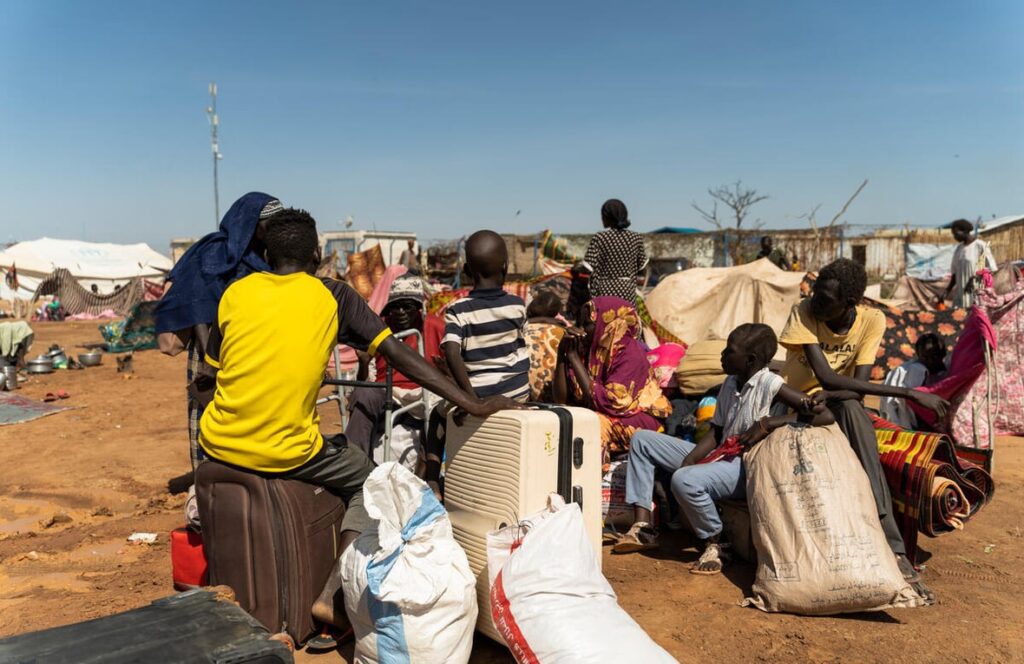
Tens of thousands of Sudanese refugees in Egypt are struggling to access basic healthcare as international funding for humanitarian operations continues to decline, leaving already vulnerable communities exposed to worsening medical and social conditions.
Funding collapse leaves patients unprotected
Since the war pushed around 1.5 million Sudanese into Egypt, the UN refugee agency has suffered a major funding shortfall that slashed support for registered refugees and asylum seekers. Essential services — including primary healthcare, child protection and basic medical assistance — have been scaled back, leaving many seriously ill Sudanese dependent on sporadic aid initiatives and overstretched Egyptian facilities.
The Egyptian government, Sudan’s embassy in Cairo, and a mix of local and international organisations have stepped in to plug gaps, but the efforts remain far below what is required.
Medical partnerships attempt to fill the void
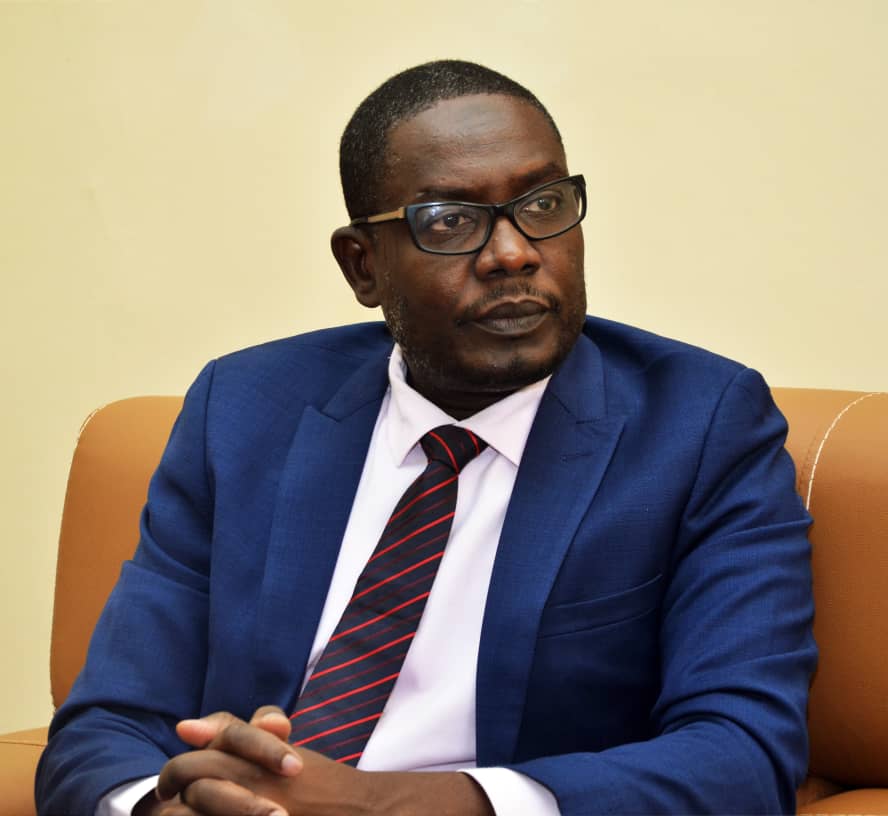
Egypt expanded its partnership with Médecins Sans Frontières (MSF) in May, targeting high-need areas with emergency support and fast-response medical teams. Sudan’s medical attaché in Cairo, Dr Khidr Faisal Abu Bakr, said the Ministry of Health is cooperating on multiple treatment projects, including a major kidney-care programme funded by the King Salman Humanitarian Aid Centre with support from the WHO. Around 1,000 Sudanese patients are currently receiving free dialysis across several provinces.
Discounted medical coverage, limited relief
The UNHCR, working with private Egyptian medical companies, now provides refugee patients with a free discount card that offers up to 70% reductions across more than 4,000 service providers — hospitals, clinics, radiology centres and labs. Egypt’s Health Ministry also treats Sudanese patients in public hospitals at the same rates as Egyptian citizens, while private providers have signed agreements to offer reduced-cost treatment.
Egypt treated 300,000 Sudanese patients
According to Egypt’s Health Ministry, nearly 300,000 Sudanese have received medical care since the war began, in addition to 50,000 doses of vaccines delivered to refugee communities. MSF, in partnership with the Om Habiba Foundation in Aswan, operates mobile clinics in five locations, providing free consultations, treatment for non-communicable diseases, reproductive healthcare, mental-health support and health-awareness programmes.
Human stories behind the crisis
Asma, a 64-year-old refugee from Khartoum with diabetes, hypertension and heart disease, fled to Egypt in May 2023. Mobile MSF clinics, she says, saved her from medical bills she simply could not afford. She now lives in a rented flat with her sons, surviving on minimal financial support after her family sold property in Sudan.
Khalid, 61, suffers from chronic illnesses and receives treatment in Daraw but avoids moving around for fear of harassment. Hassan, 65, from Gezira State, continues diabetes treatment in a mobile clinic in Nasr al-Nuba after being forced to flee the collapse of Sudan’s health system.
New initiatives planned amid rising needs
Sudan’s embassy in Cairo and Egypt’s Health Ministry are preparing new health initiatives, including a diabetes-care programme with the International Diabetes Federation and an oncology-care project with support from Qatar. In October, Egyptian Health Minister Khaled Abdel-Ghaffar met his Sudanese counterpart to strengthen cooperation on epidemic control, health-system support and emergency response. Egypt also pledged 200,000 packs of infant formula, 200 oxygen cylinders, and expanded pharmaceutical and disease-control collaboration.