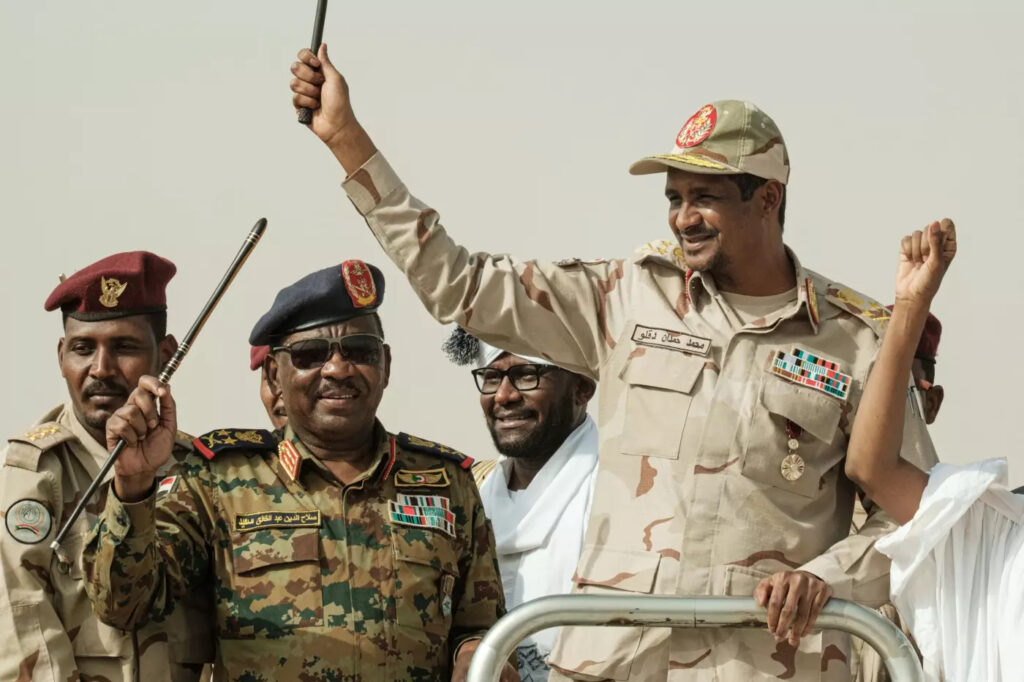
The Rapid Support Forces (RSF) secured full control of the Heglig oil field on Monday, 8 December 2025, after what local media described as an orderly withdrawal by SAF units. Heglig, Sudan’s largest oil field, sits in Kordofan near the South Sudan border and serves as a central route for Juba’s crude exports.
An engineer on-site told AFP that RSF units entered the field “swiftly and without damaging any infrastructure”, allowing technical teams to shut the wells safely and move staff across the border into South Sudan. He confirmed that he relocated with them. The processing station that handles South Sudan’s crude from east of Bentiu was also closed in a controlled manner. The Sudanese Ministry of Energy and Oil declined to comment.
The RSF advance comes in a region rich in gold and strategic oil assets that both sides rely on to fund their operations. In recent weeks, RSF forces have expanded their territorial control, particularly after securing the whole of Darfur at the end of October, increasing their leverage across western and southern routes.
Local media reported that RSF units first took over the 90th Brigade of the 22nd Division before moving onto the oil installations. The withdrawal of SAF troops was facilitated through local mediation aimed at preventing unnecessary clashes and at preserving vital national infrastructure — a priority the RSF publicly emphasised. Videos released by RSF fighters showed their organised presence inside the field after taking control.
Heglig contains around 75 wells across several production blocks, in addition to a key processing facility serving West Kordofan and South Sudan, making it one of the most sensitive points in the country’s energy network.
The takeover came just one day after China’s state-owned CNPC issued an ultimatum announcing the termination of its partnership with Sudan’s Ministry of Energy and Oil in Block 6. The company called for a meeting in Juba and set a 31 December 2025 deadline for the early termination.
CNPC said its cooperation with Sudan began in 1995 but became increasingly difficult after the outbreak of conflict on 15 April 2023, which forced the relocation of its headquarters from Khartoum to Port Sudan and Beijing. Although sabotage and blockades repeatedly hit Block 6, the PetroEnergy joint venture maintained minimum production until October 2023. Security threats at Balila Airport and repeated attacks later forced a full shutdown.
The company said attempts to restart production through new security plans, alternative supply routes and relocating staff to eastern fields were unsuccessful. It stressed that operations cannot resume until the conflict ends, citing force majeure in its termination decision.
Heglig had previously been targeted by drone strikes attributed to the RSF, though the group has increasingly emphasised securing and protecting oil infrastructure in areas under its control. Local assessments suggest the RSF may conduct further operations to stabilise surrounding supply routes following its recent advance in Babanusa, a move that could further shift the balance around Sudan’s fragile oil sector.