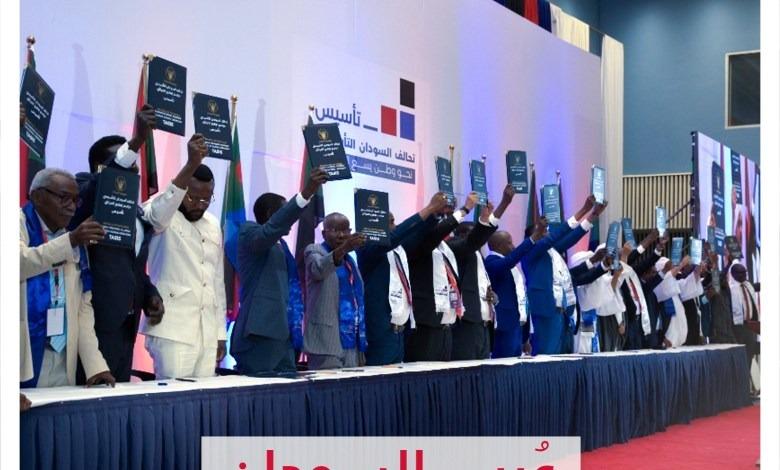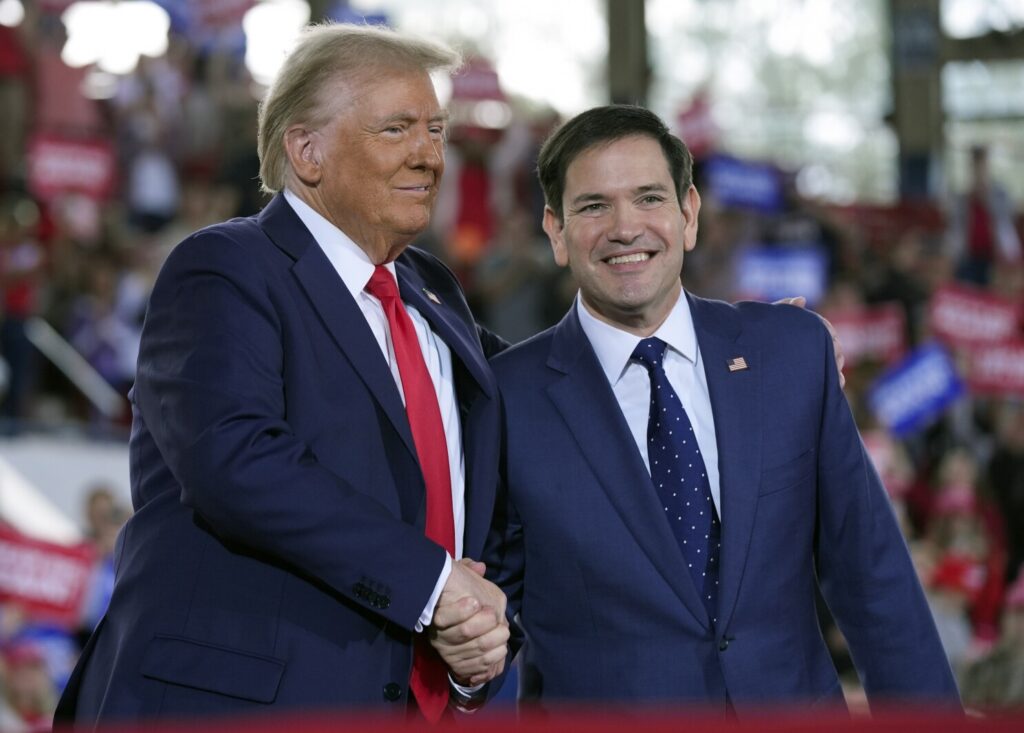
Washington’s push for a humanitarian truce in Sudan is drawing measured regional support, as U.S. Secretary of State Marco Rubio urges outside actors to use their leverage on the warring parties heading into the new year.
Rubio said the United States is focused on securing a humanitarian pause that would allow aid groups to reach civilians in severe distress, arguing that neither side can sustain the war without external backing.
United Arab Emirates backs de-escalation push
The UAE publicly welcomed Rubio’s call for a cessation of hostilities and emphasized the need for humanitarian de-escalation to ease the suffering of Sudanese civilians, in a statement issued by the Emirati foreign ministry.
Egypt stresses “red lines” and rejects parallel entities
Egypt, meanwhile, reiterated that Sudan’s unity and territorial integrity are “red lines” tied to Egypt’s national security, and renewed its rejection of any parallel institutions or entities — language that has become central to Cairo’s framing of the crisis. The Egyptian presidency also said it remains committed to working within the Quartet framework toward a humanitarian truce that could lead to a broader ceasefire, including safe havens and humanitarian corridors in coordination with Sudanese state institutions.
Saudi-U.S. track: “practical steps” and a proposed plan
On the Saudi track, recent reporting indicates Washington and Riyadh have discussed “practical steps” aimed at advancing a humanitarian truce, while separate reporting from Sudan Tribune cited sources describing a Saudi-U.S. proposal presented to SAF chief that links humanitarian access to a broader pathway toward ending the war and a civilian transition.
Aid access and convoy attacks remain a pressure point
Rubio has cited repeated reports of humanitarian convoys being attacked as a key driver behind the push for a near-term truce, arguing that a pause is necessary to enable relief operations at scale.
In parallel, the United Nations has continued to call for an immediate cessation of hostilities and a return to talks toward a lasting ceasefire, as humanitarian needs deepen.
Diplomatic efforts are taking place under the wider Quartet framework (U.S., Saudi Arabia, UAE, Egypt), which previously called for an initial three-month humanitarian truce intended to enable rapid aid delivery and lead to a permanent ceasefire.