Sudanese civilian forces have called on international and regional actors to support growing demands to designate the National Congress Party, described as the political wing of the Muslim Brotherhood, along with its affiliates within the Islamic Movement, as terrorist organisations.
The call was issued by the Principles Declaration group, which includes more than 30 professional and political bodies and resistance committees, including groups aligned with the civilian coalition known as Somoud. The signatories urged international and regional stakeholders to formally recognise the role of the Brotherhood and its networks in fuelling Sudan’s conflict.
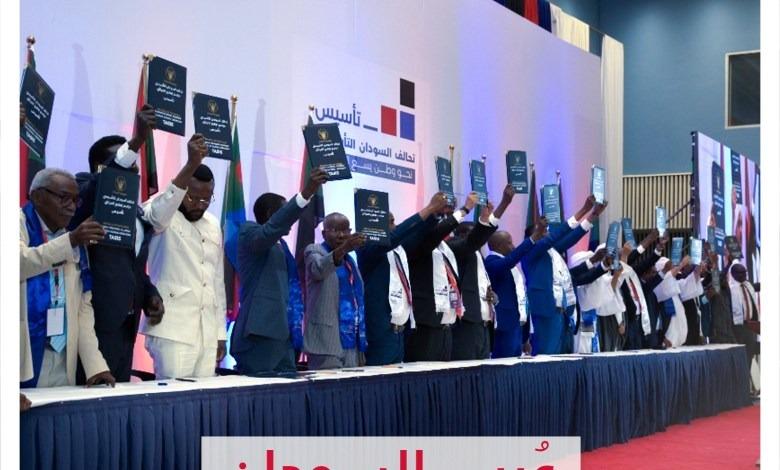
The civilian forces signed the Sudanese Principles Declaration for Building a New Homeland last week in Kenya’s capital, Nairobi. Following the signing, urgent letters were sent to senior international and regional officials, including foreign ministers from the Quartet countries, the US, the UAE, Saudi Arabia and Egypt, as well as officials from the Quintet of multilateral organisations, comprising the UN, the African Union, IGAD, the Arab League and the European Union.
According to the organisers, the Nairobi meeting marked significant progress in coordinating civilian efforts to end the war and lay the foundations for a new Sudan. The letters included the full text of the signed declaration, which explicitly calls for the Muslim Brotherhood to be designated a terrorist group.
In a statement, Sudanese civilian forces said the demand stems from documented evidence of the Brotherhood and its political and security fronts playing a central role in perpetuating violence, undermining the civilian transition, and threatening regional and international peace and security.
The statement described the Principles Declaration, which has gained broad civilian consensus, as a starting point for a comprehensive framework to address the root causes of Sudan’s wars, restore the path of the revolution, and realise the Sudanese people’s aspirations for freedom, peace and justice.
In addition to calling for the designation of the Brotherhood as a terrorist organisation, the signatories urged both sides of the conflict to agree to an immediate cessation of hostilities and to pursue a comprehensive political settlement.
The Principles Declaration forces stressed that ending the war, addressing the humanitarian crisis, and designating the Brotherhood as a terrorist group have become existential necessities that can no longer be delayed.
They added that international support for the declaration would represent a vital step for millions of Sudanese who are awaiting a new dawn that restores life and delivers peace and justice.
Brotherhood blamed for Sudan’s crisis
Observers warn that any delay in designating the Muslim Brotherhood as a terrorist organisation could harm local and international peace and security. They point to recent threats allegedly issued by senior figures within the movement, warning of attacks against several countries in the region and beyond, including the US.
Speakers at the US Congress have also linked Sudan’s crisis directly to the presence of the Brotherhood. Ken Isaacs, a former US presidential candidate and former head of the International Organization for Migration, said during a recent congressional hearing that Sudan’s core problem over decades has been Islamist extremism that captured the state.
He added that since 1989, ideological control led by the Brotherhood has dominated Sudanese politics.
Threats beyond Sudan
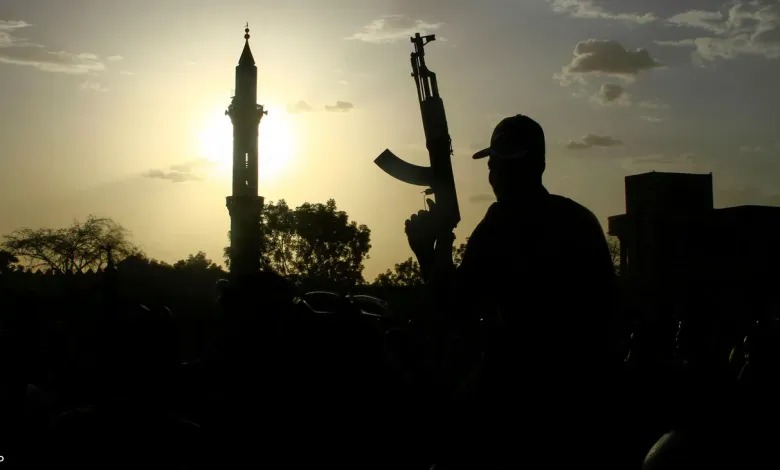
Statements by three Islamist figures threatening attacks against six countries inside and outside the region have raised fears of the return of what observers describe as the Brotherhood’s long terrorist reach, similar to tactics used in the 1990s to target Western interests.
A former officer and senior figure within the movement was quoted as saying the group has experience in conducting external attacks and harming other countries. He added that the battle is not local, but directed at states enjoying stability.
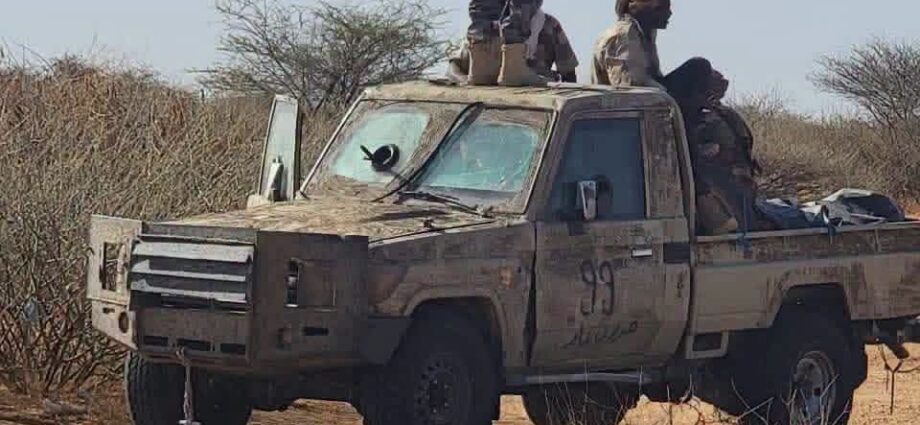
Since the outbreak of the war in Sudan in mid April 2023, observers have warned of links between Islamist groups allied with SAF and external terrorist organisations.
They point to the period following Sudan’s hosting of Osama bin Laden in 1991, when extremist figures were granted Sudanese passports and later used in cross border terrorist operations. These included the attempted assassination of former Egyptian president Hosni Mubarak in Addis Ababa in 1995, the bombing of US embassies in Kenya and Tanzania in 1998, and the attack on the USS Cole off the coast of Yemen in 2000.