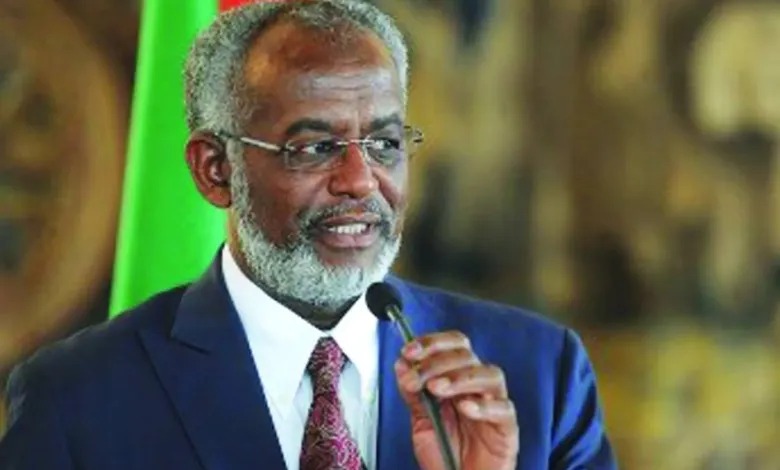
In remarks carrying clear military and political implications, a senior figure in Sudan’s Islamist movement has openly acknowledged the central role played by Brotherhood youth in running so called “mobilisation and support” operations linked to the war in Sudan.
Ali Karti, secretary general of Sudan’s Islamic Movement, admitted that the organisation’s influence has moved beyond political backing and into direct battlefield involvement. He said the movement’s weight is now expressed through “reserve forces” and “shadow brigades”, structures that have produced active fighting units such as the Al Baraa ibn Malik Battalion and the so called popular resistance.
These admissions reinforce long standing claims that Islamist networks are not only supplying fighters but are also deeply involved in managing military operations and feeding manpower into the front lines.
Karti’s public acknowledgement places SAF commander Abdel Fattah al Burhan in an increasingly awkward position. Burhan has repeatedly denied Islamist penetration of the security apparatus, yet the statements echo the 1989 coup scenario, when Omar al Bashir initially denied ties between the SAF and Islamists, only to later admit to a tight alliance that allowed the movement to dominate the military for decades.
While SAF leadership continues to distance itself from any Islamist label, Karti’s comments underline that the human engine behind mobilisation and combat relies heavily on Brotherhood cadres. This reality is likely to intensify international concerns over the credibility of any future political process in Sudan, amid fears that the war is being shaped by entrenched ideological forces rather than national interests.