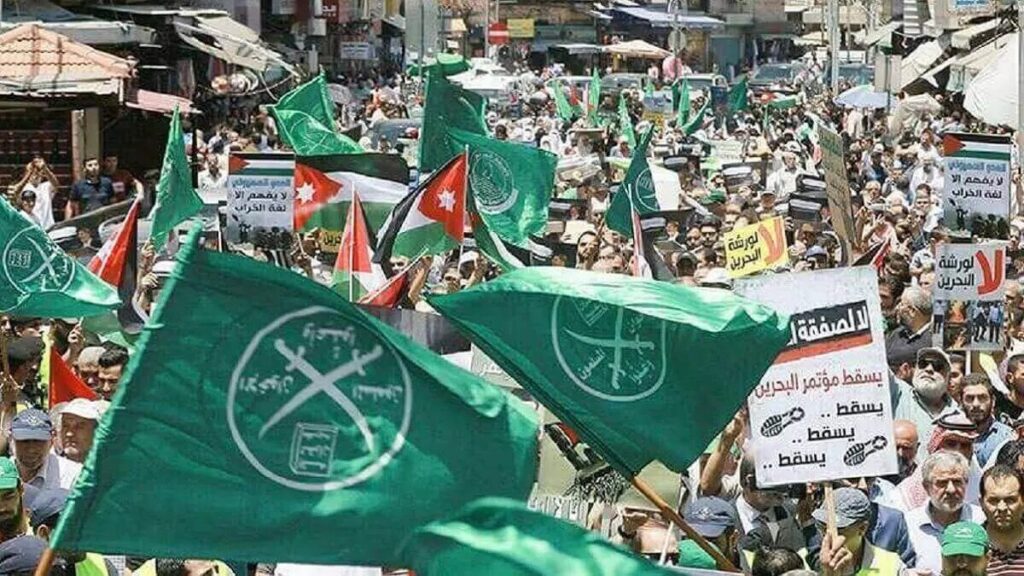
Sudan is sliding closer to collapse after more than two years of war, with mounting evidence that Islamist factions linked to the Muslim Brotherhood have become active players in the conflict, transforming it from a power struggle into a deeply ideological war that threatens the country’s unity and stability.
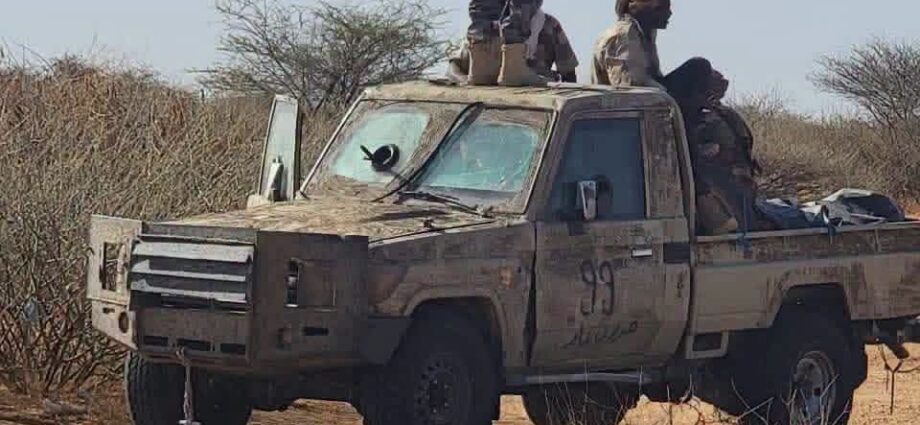
According to media reports and field assessments, Islamist aligned militias have worked to intensify violence throughout the conflict, in what analysts describe as a coordinated effort to re embed ideological structures within the war. Through recruitment, military mobilisation and exploitation of chaos on the ground, these groups have sought to expand their influence, further complicating prospects for a political settlement and accelerating the erosion of state institutions.
The reports warn that the involvement of such militias risks widening the circle of violence, including allegations of child recruitment and the use of minors as fighters. Researchers specialising in extremist groups say these practices represent serious violations of international law and conventions protecting children in armed conflict.
These developments come amid continued military escalation in Sudan’s war, which erupted in April 2023 between SAF and the Rapid Support Forces. The conflict has killed thousands, displaced millions and produced widespread abuses against civilians, according to the United Nations and international rights organisations.
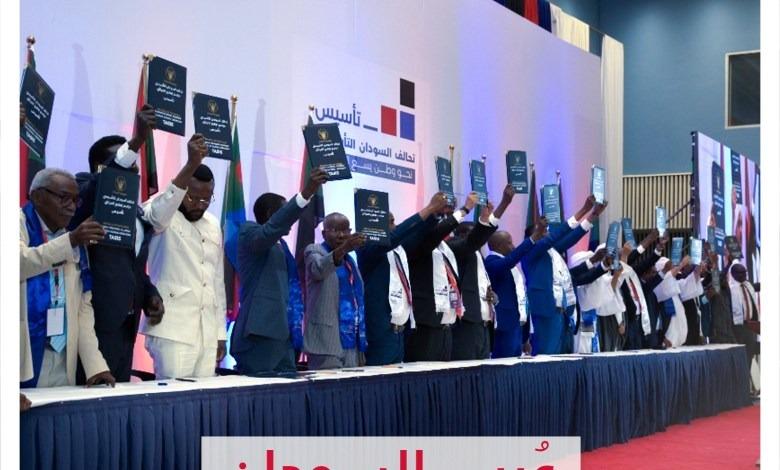
Reflecting the depth of the crisis, Sudanese civil forces agreed during a meeting in Nairobi to classify the Muslim Brotherhood as a terrorist organisation. They reaffirmed support for a political path aimed at ending the war, rebuilding the state and ensuring accountability for crimes, even as regional and international efforts to secure a ceasefire continue.
Meanwhile, ongoing attacks on civilians and vital infrastructure have contributed to the dismantling of state authority across large parts of the country, particularly in Darfur and Kordofan. Observers say this underscores the failure of purely military solutions and places Sudan on a dangerous trajectory of prolonged institutional collapse.
Despite international initiatives aimed at securing ceasefires or interim arrangements, tensions among local and regional actors remain high, making any near term resolution uncertain. As the war drags on, Sudanese civilians continue to pay the heaviest price through unchecked violence, forced recruitment and deepening food insecurity.