As 2025 draws to a close, Sudan is facing what has been described as one of the worst humanitarian crises in modern history. The country has become a landscape of famine, disease and mass graves, with communities devastated by prolonged conflict.
While estimates point to around 150,000 people killed and some 16 million displaced or forced to flee, observers argue that behind this catastrophe stands the Muslim Brotherhood, known locally as the Islamic Movement. Critics say the group helped ignite the war and is now seeking to prolong it, promoting division as a last resort to regain power and influence.
Media reports have revealed stark figures that capture the scale of the disaster in 2025. According to the data cited, 965 mass graves have been discovered across Al Jazira, Darfur and Kordofan, containing the remains of thousands of civilians and detainees. The number of displaced people and refugees has reached 16 million, effectively emptying entire cities of their residents.
An estimated 26 million Sudanese are facing acute hunger, with famine officially declared in camps across Darfur due to sieges and restrictions on humanitarian aid. More than 17 million children have been out of school for a second consecutive year, amid the near total collapse of infrastructure and a health system of which around 80 percent is no longer functioning.
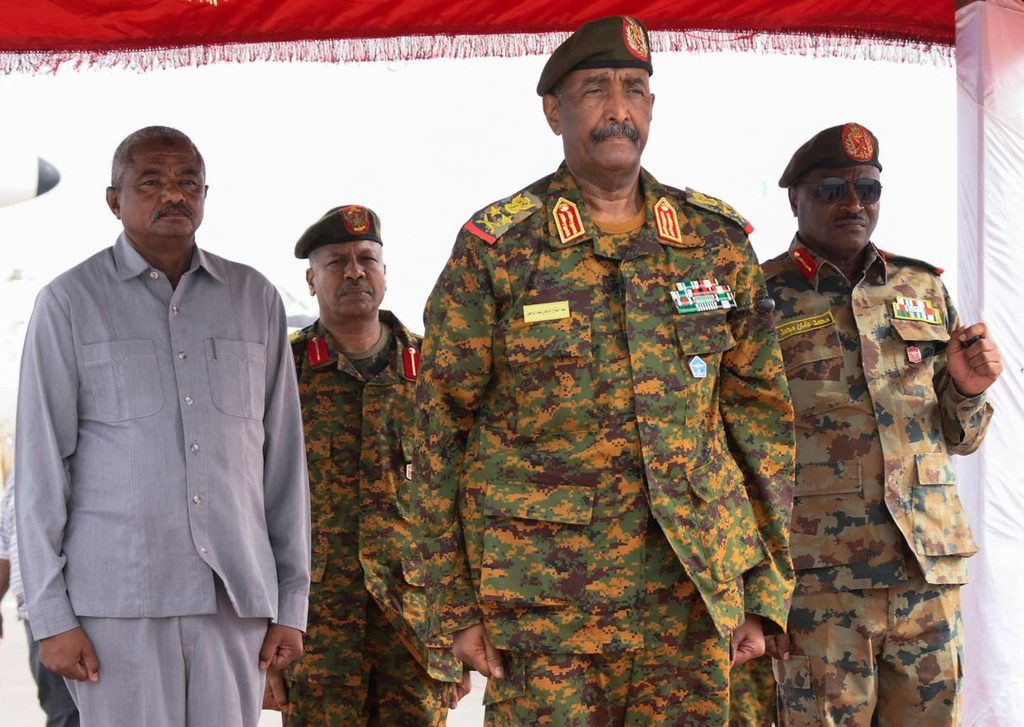
Field reports and political analysis indicate that the deep entrenchment of figures linked to the former regime, along with militias associated with the Brotherhood, within centres of decision making has fuelled the fighting and inflamed ethnic tensions.
Analysts say the group has adopted a scorched earth strategy, working to undermine international and regional peace initiatives. The aim, they argue, is to sustain chaos that allows control over specific areas, paving the way for the partition of the country if full dominance proves impossible.
The role of religious extremism has gone beyond military mobilisation. Hunger has been used as a weapon against areas rejecting a return to Islamist rule, alongside a severe environmental and health collapse. Cholera has spread widely, while more than 123,000 people have reportedly been infected with dengue fever, claiming hundreds of lives in Khartoum and Al Jazira, amid the absence of effective state institutions destroyed by the conflict.
As Sudanese people bid farewell to 2025 with further displacement and loss of life, a grim conclusion is emerging. The movement that ruled the country for three decades through repression is now accused of driving Sudan towards fragmentation, preferring the rule of fractured mini states over the prospect of a stable, democratic Sudan that rejects its extremist ideology.