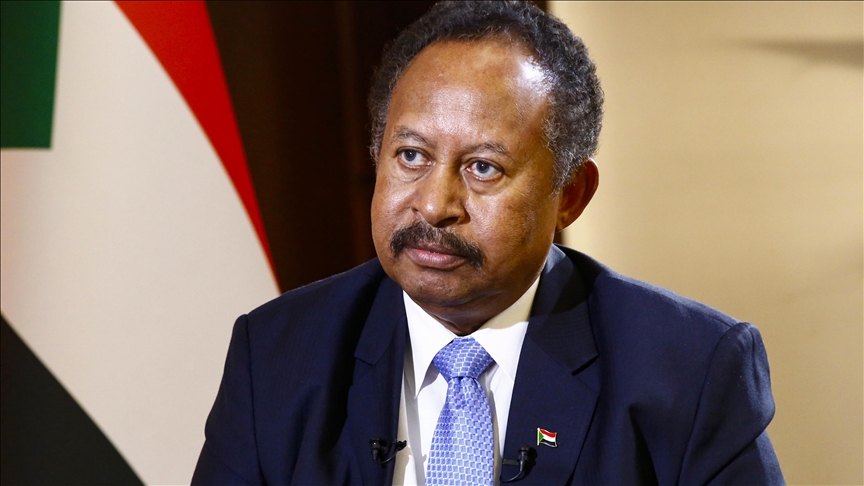
Sudan’s former prime minister Abdalla Hamdok has said the country urgently needs a new social contract based on equal citizenship, democracy, and justice, warning against a return to fragile systems of governance that led to repeated coups and wars, according to media.
In an interview, Hamdok said Sudan is at a decisive crossroads, stressing that the country’s future depends on implementing deep constitutional, economic, and structural reforms to build a modern state, or else face renewed instability and collapse.
Addressing the role of the Islamic movement in the post war period, Hamdok said there must be no return to what he described as the empowerment project or to forces that contributed to the destruction of the state and plunged the country into conflict. He added that dealing with the Islamist experience should be governed by clear democratic and legal principles.
Hamdok cited international examples, including the criminalisation of Nazism in Germany and fascism in Italy, as well as South Africa’s transitional justice process, which was based on acknowledging crimes and dismantling the authoritarian structures of the former regime.
He said any future political participation must be based on rejecting coups, preventing the use of religion for authoritarian purposes, and committing to the principles of a civil state.
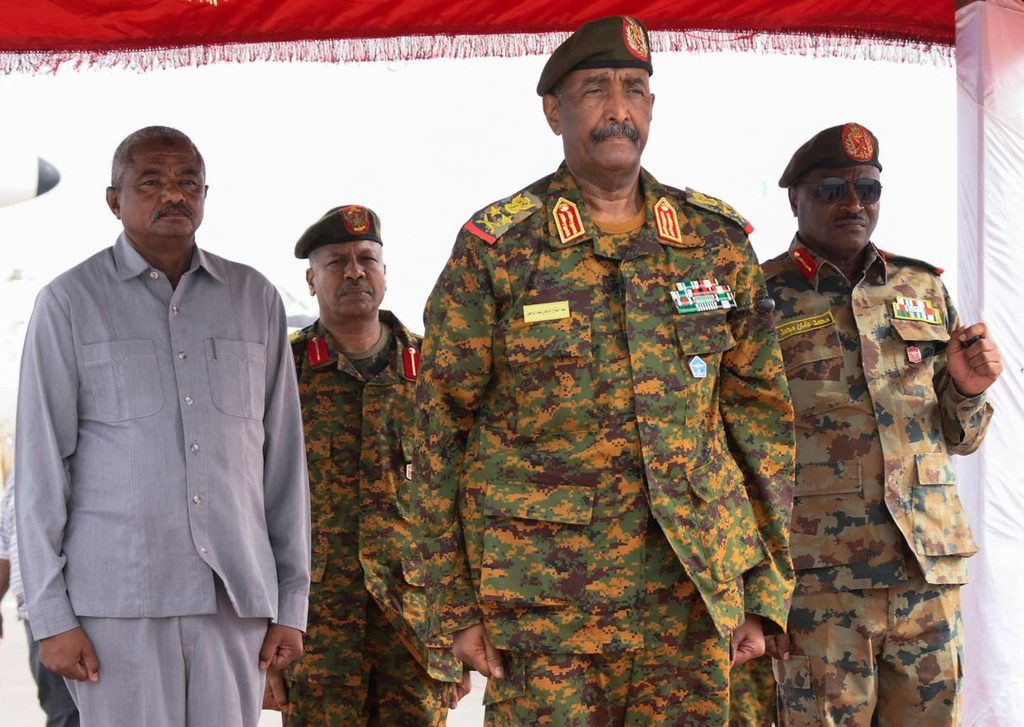
On civil military relations, Hamdok said Sudan’s stability cannot be achieved without redefining the role of the military institution and ending its politicisation. He stressed the need to transform the army into a unified, professional force with a clear national doctrine that is subject to civilian authority, as part of comprehensive security and military reform.
He warned that continued military interference in politics and the presence of parallel militias undermine the concept of the state and turn weapons into a substitute for the will of the people.
Hamdok concluded by saying that ending the war is the essential entry point for any genuine transition, adding that building a democratic civil state requires broad national consensus to address the root causes of the crisis and reshape the relationship between the state and society on new foundations, far removed from violence and destruction.