General al-Burhan’s army (SAF) defenses are deteriorating around the besieged South Kordofan cities of Kadugli and Dilling, as hundreds of civilians flee amid worsening hunger and fears of an imminent assault by allied rebel forces, according to field reports and displacement tracking data.
Accounts cited by Sudan War Monitor say SAF units in the area are outnumbered and struggling with shortages of supplies, with some soldiers reportedly defecting or abandoning positions. The reports add that there are no clear indications of an active SAF operation to break the sieges or resupply the imperiled cities after previous reinforcement attempts from SAF-held territory in North Kordofan were repelled.
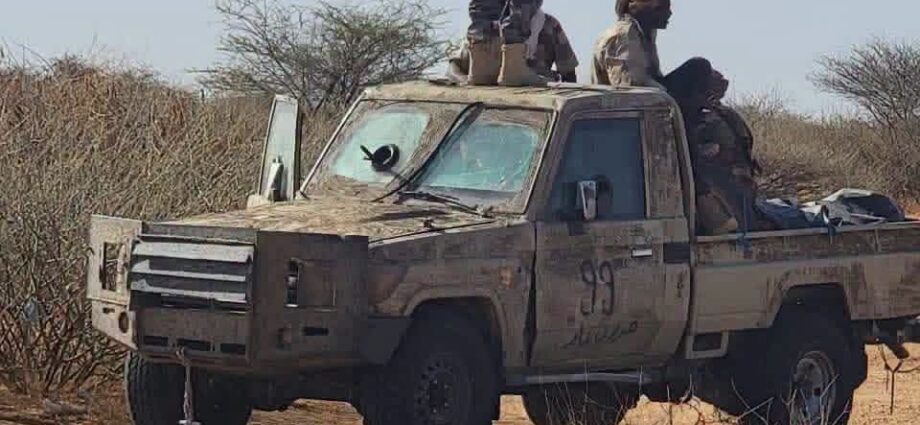
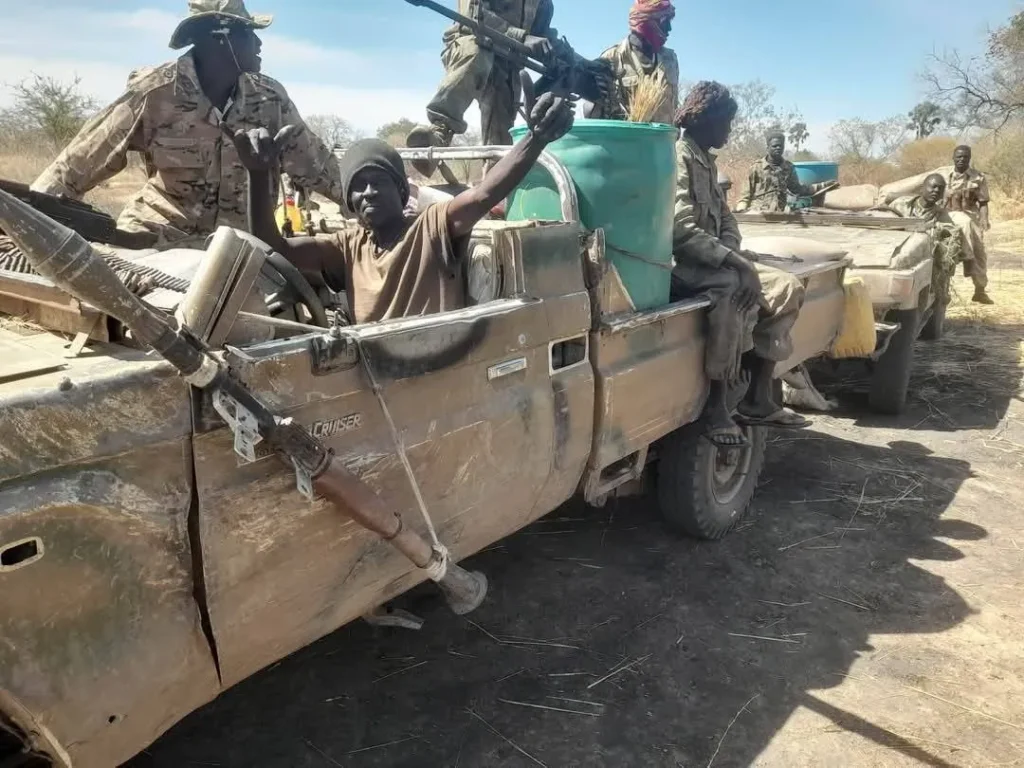
In the latest clashes, the Rapid Support Forces and the Sudan People’s Liberation Movement–North (SPLM-N) launched a joint push on the morning of Tuesday, Dec. 30, overrunning SAF positions along the Kadugli–Dilling road, including at Keiga Junction, Balif, and Hajar Daleib, the report said. The advance would place the allied forces within reach of Al-Kweik, Kadugli Airport and Kadugli itself.
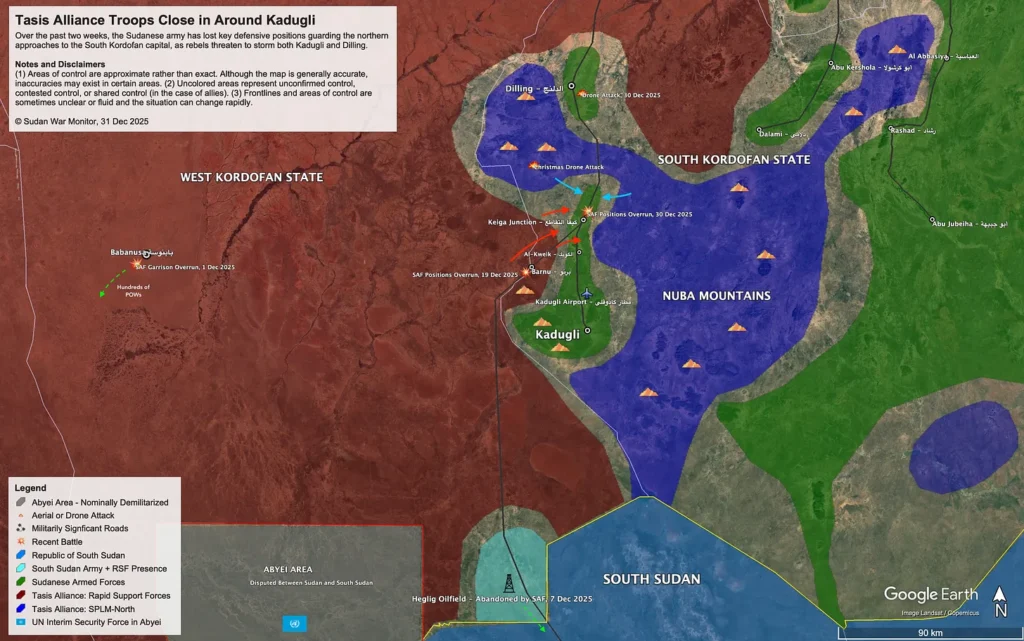
Open-source videos reviewed by the outlet, filmed by combatants, were described as showing intense fighting at hilltop and roadside positions, exchanges of heavy weapons fire, abandoned SAF earthworks and prisoners of war.
The report said the RSF has deployed a prominent field commander, Col. Saleh Al-Futi, to lead operations in the Kadugli theatre, noting his role in earlier assaults on the SAF’s 22nd Division in Babanusa and 16th Division in Nyala.
SPLM-N accused the SAF of targeting civilians earlier in the week, saying a Christmas Day drone strike hit worshippers in Julud, killing 12 civilians and wounding 19. The outlet said the claim was supported by graphic video evidence.
Kadugli, in the Nuba Mountains, has served for decades as the military and administrative capital of South Kordofan. The report noted that if the city falls it would mark the end of a more than 30-year period in that role, recalling how the town expanded into a major base after Khartoum declared jihad in the region in 1992 and mobilised Popular Defense Forces.
The report also traced how conflict in the state resumed after South Sudan’s independence and a split within the SPLM, with fighting in 2011–2018 ending inconclusively and leaving the SAF holding major towns while SPLM-N controlled wide rural areas. A fragile calm followed the 2019 uprising before the current war erupted in April 2023 between the SAF and the RSF.
According to the report, SPLM-N’s role shifted after it reached a political alliance with the RSF in February 2025, which it said was followed by new funding and equipment for SPLM-N, expanded recruitment and training, and deeper operational cooperation.
After the latest gains, SPLM-N issued a statement claiming the capture of the garrisons meant “the liberation of Kadugli and Dilling is now only a matter of time,” calling on SAF forces to surrender to avoid bloodshed and urging civilians to evacuate.
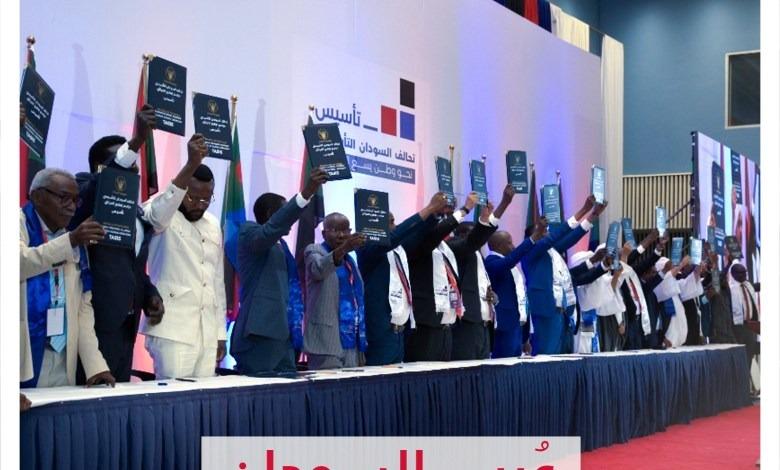
The RSF-aligned Tasis Alliance described the operation as a step toward strategic objectives in South Kordofan, vowing to “liberate” military sites and portraying the campaign as a drive to end Islamist influence over national decision-making.
The SAF did not comment on the fighting, the report said.
Displacement rises
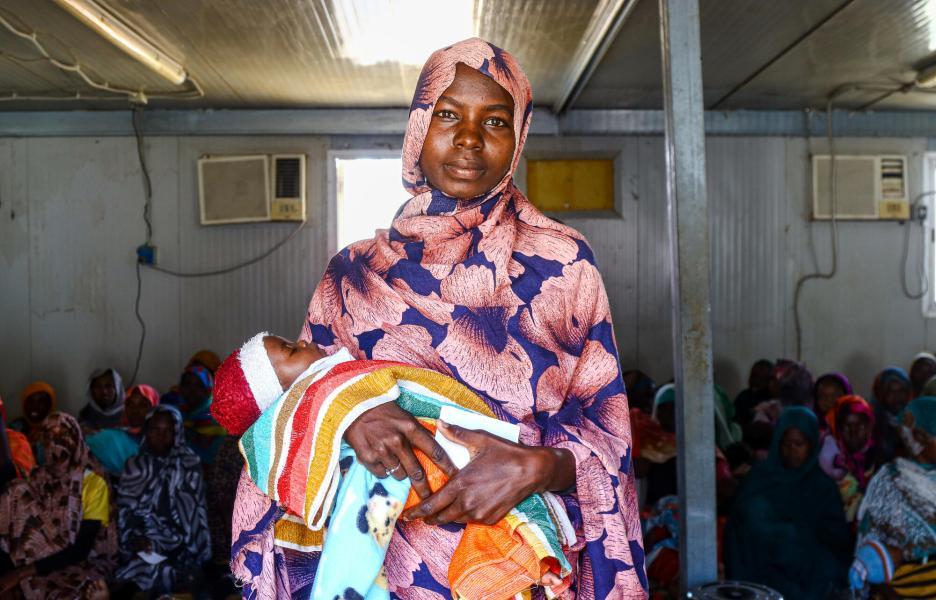
The deteriorating security situation is already driving a new wave of displacement. The International Organization for Migration reported that 495 people left Dilling between Dec. 27 and 29, while 375 left Kadugli over the same period, most heading toward eastern localities where markets function better and aid is more accessible, according to the report.
It added that the movement followed earlier waves, including 3,100 who left Kadugli between Dec. 24 and 26, and an estimated 1,500 to 2,000 who fled the Kweik area north of Kadugli between Dec. 27 and 29.
The report said displaced civilians have to cross front lines to reach safety and some reported extortion by gunmen on the way. In response to criticism, SPLM-N issued a denial, rejecting allegations that it imposed fees on travellers, looted property or blocked civilians from moving on toward South Sudan or SAF-held areas.
Uncertain next phase
The report noted that SPLM-N has historically operated as a mostly rural guerrilla movement and has not previously controlled a major city such as Kadugli, raising questions over how it would govern the capital and what role the RSF would play if the city is seized.
It said the loss of Kadugli would strike at army morale and prestige and could trigger further territorial setbacks, though the military would still hold eastern parts of the state that are easier to supply from White Nile.
Despite battlefield shifts, the report argued the war is unlikely to end without a political settlement, with recent gains and losses remaining locally devastating but only incrementally decisive at the strategic level — pointing instead to a prolonged stalemate.