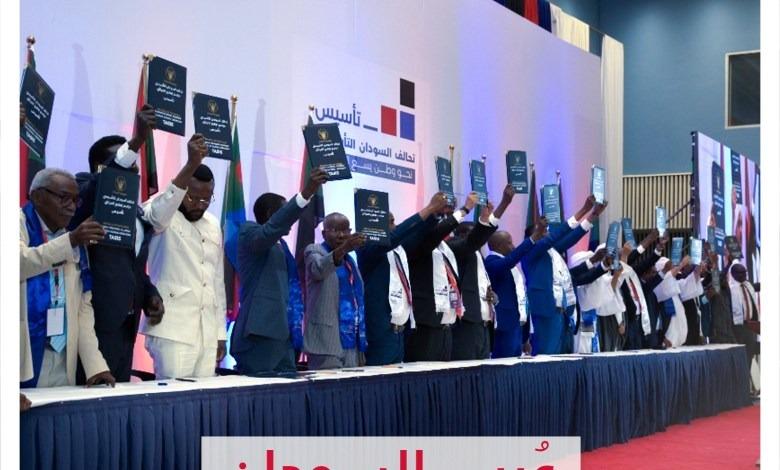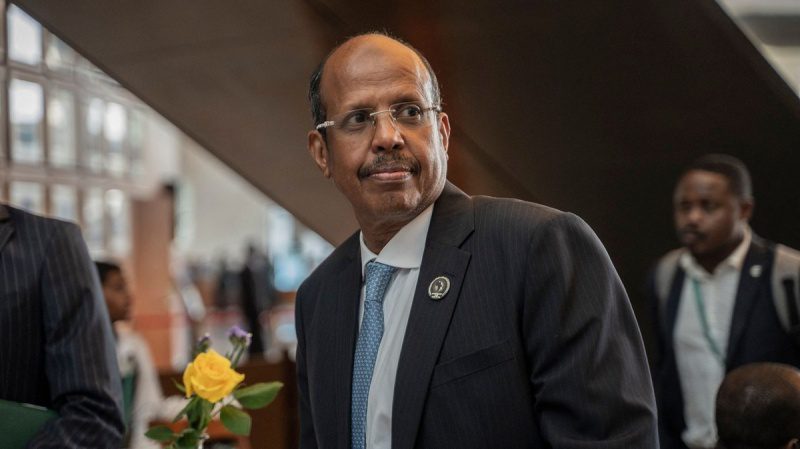
Statements by the head of the African Union Commission, Mahmoud Ali Youssouf, have triggered sharp criticism in Sudan, led by the RSF-aligned Founding Alliance (TASIS), which accused him of openly siding with the SAF-backed Port Sudan junta.
TASIS said Youssouf’s remarks welcoming a “peace initiative” presented to the UN Security Council by Idris Kamel, head of the SAF-aligned government, undermined his credibility as chair of a continental body founded on neutrality and rejection of military solutions.
In a statement, the alliance said Youssouf’s endorsement of what it described as an initiative put forward by a proxy of the Muslim Brotherhood represented a dangerous deviation from African Union principles and contradicted the AU’s previously declared support for the international Quad roadmap.
TASIS warned that the remarks risk sabotaging regional and international mediation efforts, opening the door to “suspicious agendas” aimed at prolonging the war and blocking any serious path to stability. The alliance called for Youssouf to be held accountable and urged the international community to maintain pressure on the party it said was obstructing peace initiatives, rejecting humanitarian truces and deepening civilian suffering.
The controversy erupted after Youssouf said the SAF-backed proposal contained “important elements” to address the root causes of the conflict and could pave the way for inclusive national dialogue to halt military escalation and protect civilians. He said the African Union supports Sudanese-led efforts to end the war through peaceful means and urged all parties to commit to a ceasefire and a political process.
The Civil Democratic Alliance of Revolutionary Forces, known as “Somoud,” also condemned the comments, describing them as a clear bias toward one party to the conflict and a departure from African Union principles that reject military solutions.
In a statement issued Wednesday, Somoud said Youssouf’s remarks went beyond diplomatic courtesy and amounted to a distortion of facts, portraying the initiative as something it is not. The alliance said the proposal ignored the Quad roadmap previously endorsed by the African Union, including an unconditional three-month humanitarian truce leading to a credible, civilian-led political process.
Somoud said the SAF-backed initiative offered nothing new, noting that it merely repeated long-standing SAF conditions, including the withdrawal of the Rapid Support Forces from areas under their control and the confinement of RSF fighters to camps outside cities before any further steps could be discussed.
The alliance argued that SAF leadership is fully aware such conditions amount to a demand for surrender and are unacceptable to the RSF, suggesting the initiative’s primary aim is to reshape public perceptions of the SAF rather than advance a genuine peace process.
Somoud also noted that Youssouf’s praise coincided with remarks by SAF commander Abdel Fattah al-Burhan during a visit to Turkey, in which he reaffirmed preference for a military solution and distanced himself from previous commitments under the Quad roadmap — a stance the US State Department has said undermines peace efforts.
Both TASIS and Somoud warned that the African Union risks losing its neutrality and credibility as a mediator if such positions continue, stressing that Sudan requires coordinated efforts to secure an immediate and just peace, not statements that inflame the conflict and prolong the war.
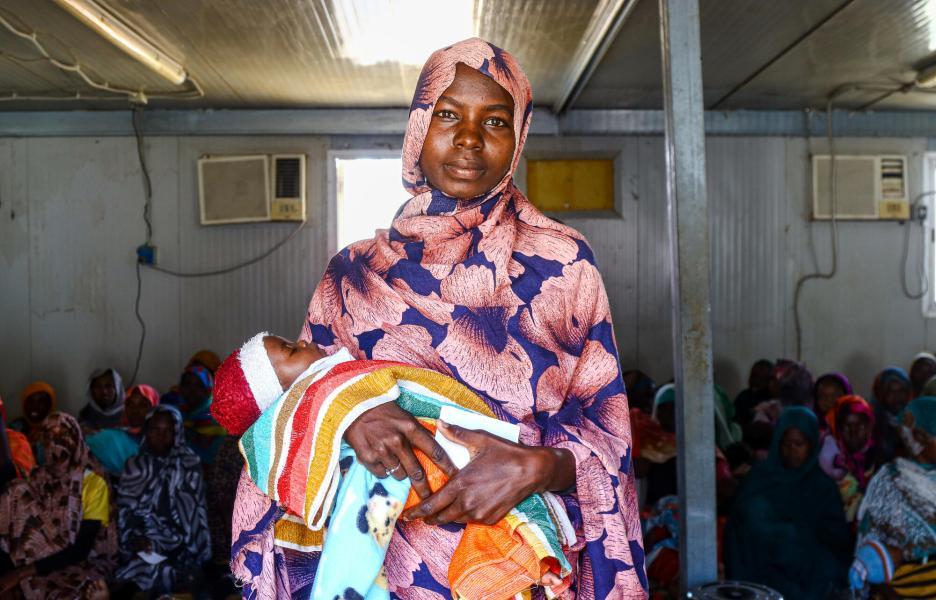
Sudan has been at war since April 2023, when fighting erupted between the SAF and the Rapid Support Forces, triggering what the United Nations has described as the world’s worst humanitarian crisis. Multiple regional and international initiatives — most recently the Quad humanitarian proposal involving the United States, Saudi Arabia, the UAE and Egypt — have failed to gain traction.