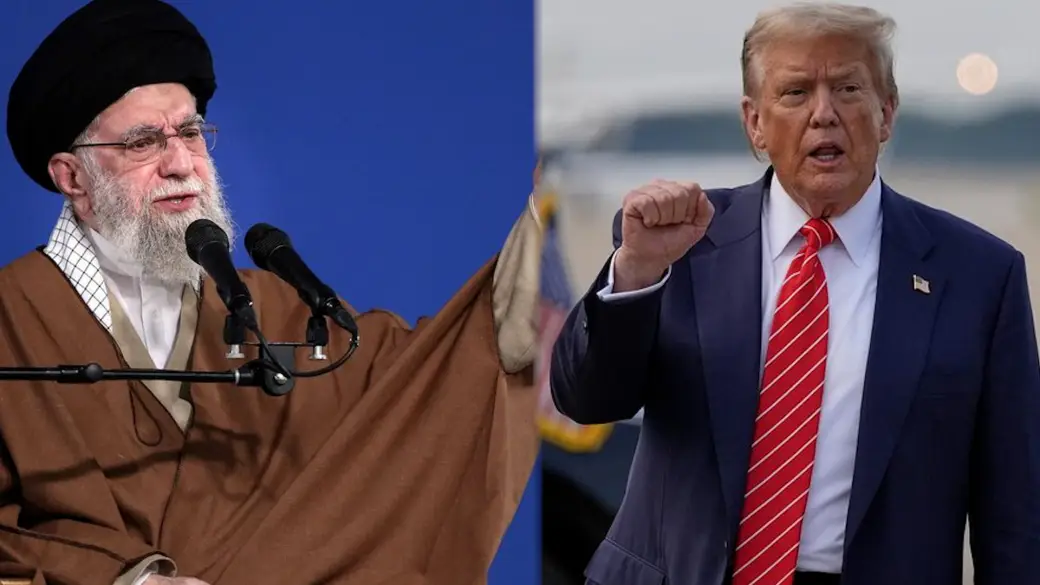
US President Donald Trump and senior Iranian officials exchanged sharp warnings on Friday as economic protests continued to spread across parts of Iran, deepening tensions months after US airstrikes on Iranian nuclear facilities.
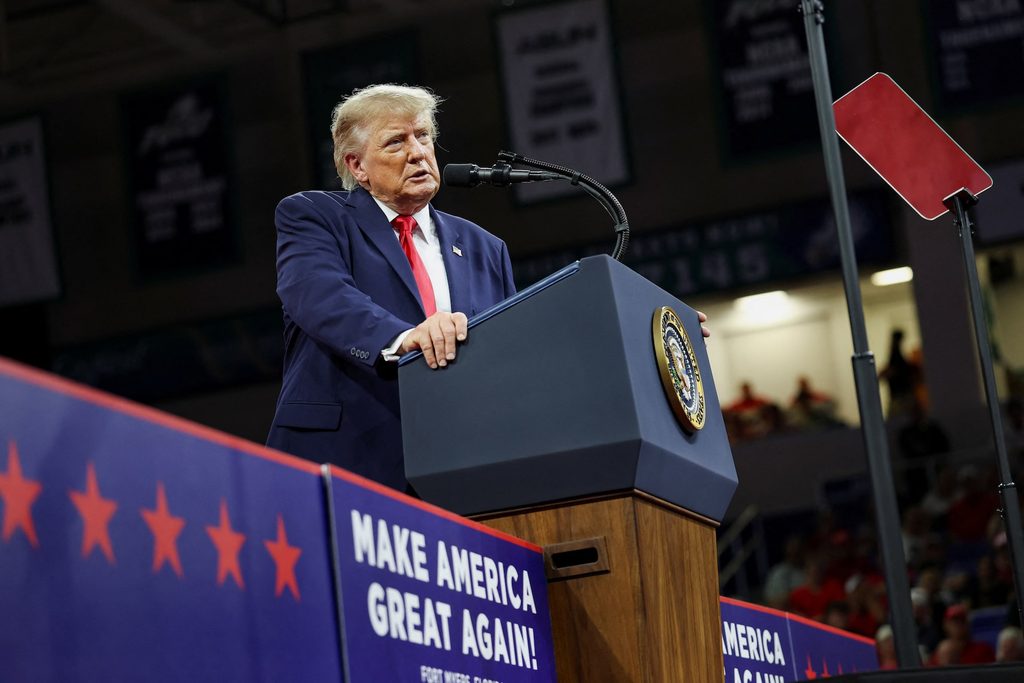
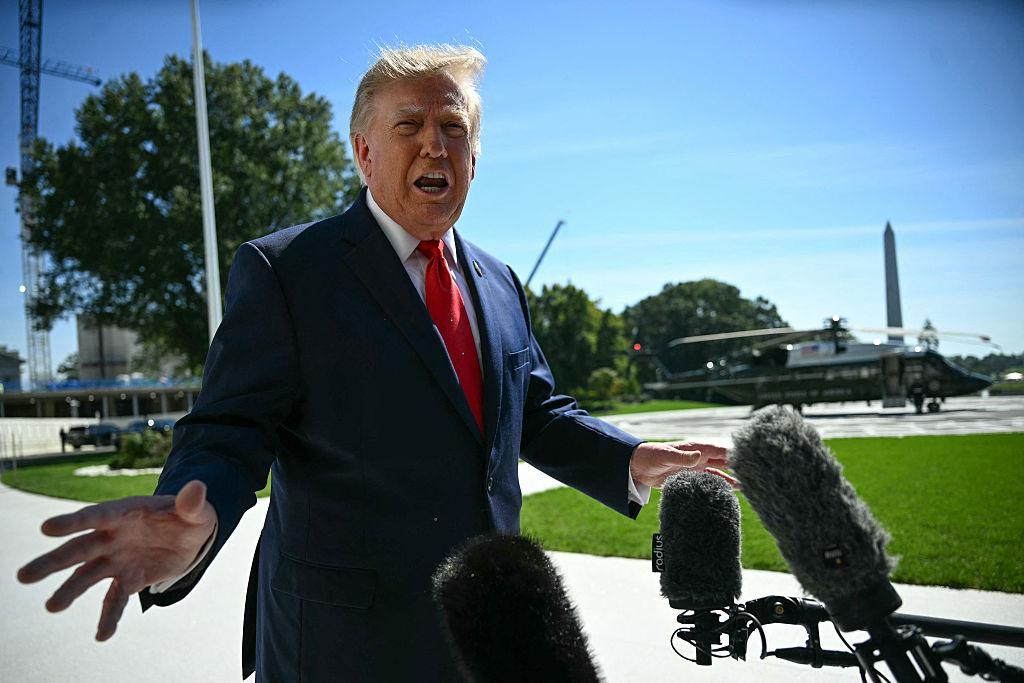
Trump warned that Washington would intervene if Iranian authorities responded violently to what he described as peaceful demonstrations. Writing on his Truth Social platform, Trump said the United States would “come to the rescue” of protesters if they were killed by security forces, adding that the US was “locked and loaded and ready to go,” without providing further details.
At least seven people have been reported killed in unrest linked to the protests, which erupted amid a sharp collapse of Iran’s national currency. The rial has fallen to around 1.4 million to the US dollar, fueling anger over soaring prices and economic hardship.
Iranian officials quickly pushed back, accusing the United States and Israel of fomenting unrest. Ali Larijani, secretary of Iran’s Supreme National Security Council and a former parliament speaker, claimed on X that foreign powers were behind the demonstrations, an allegation Tehran has repeatedly made during past protest waves. He warned that US intervention would lead to regional instability and threaten American interests.
“Trump should know that interference in Iran’s internal affairs will result in chaos across the region,” Larijani wrote, adding that Americans should be concerned about the safety of their troops stationed in the Middle East.
His remarks appeared to reference Iran’s June missile strike on the Al Udeid Air Base in Qatar, launched after US forces bombed three Iranian nuclear sites during Israel’s 12-day war with Iran.
Ali Shamkhani, an adviser to Supreme Leader Ayatollah Ali Khamenei and a former national security chief, issued a similar warning, saying any external threat to Iran’s security would be met with force. He dismissed US claims of protecting civilians, pointing to American interventions in Iraq, Afghanistan and Gaza as cautionary examples.
The current protests have entered their sixth day and are the largest Iran has seen since 2022, when the death of Mahsa Amini in police custody sparked nationwide demonstrations. While the latest unrest has not yet spread nationwide or reached the same intensity, protesters have expanded their demands beyond economic grievances, with chants targeting Iran’s clerical leadership.
President Masoud Pezeshkian’s reformist government has signaled openness to dialogue but has acknowledged its limited ability to stabilize the economy amid the currency collapse that triggered the protests.
Separately, Iran has said it has halted uranium enrichment at all sites, a move seen as an attempt to reopen channels with Western powers and ease sanctions. However, no negotiations have materialized, as Trump and Israeli Prime Minister Benjamin Netanyahu have warned Tehran against reviving its nuclear program.