On January 3, 2026, the United States launched large-scale military strikes across northern Venezuela, including multiple targets around the capital Caracas, in what President Donald Trump described as a precision operation to capture Venezuelan President Nicolás Maduro and his wife, Cilia Flores. Trump announced on social media that both had been “captured and flown out of the country” following the assault — a claim that Venezuelan officials have not independently verified.
Early Saturday morning, explosions and low-flying aircraft were reported across Caracas, with witnesses hearing at least seven blasts and seeing military aircraft overhead. Power outages and damage to military infrastructure were reported in several districts.
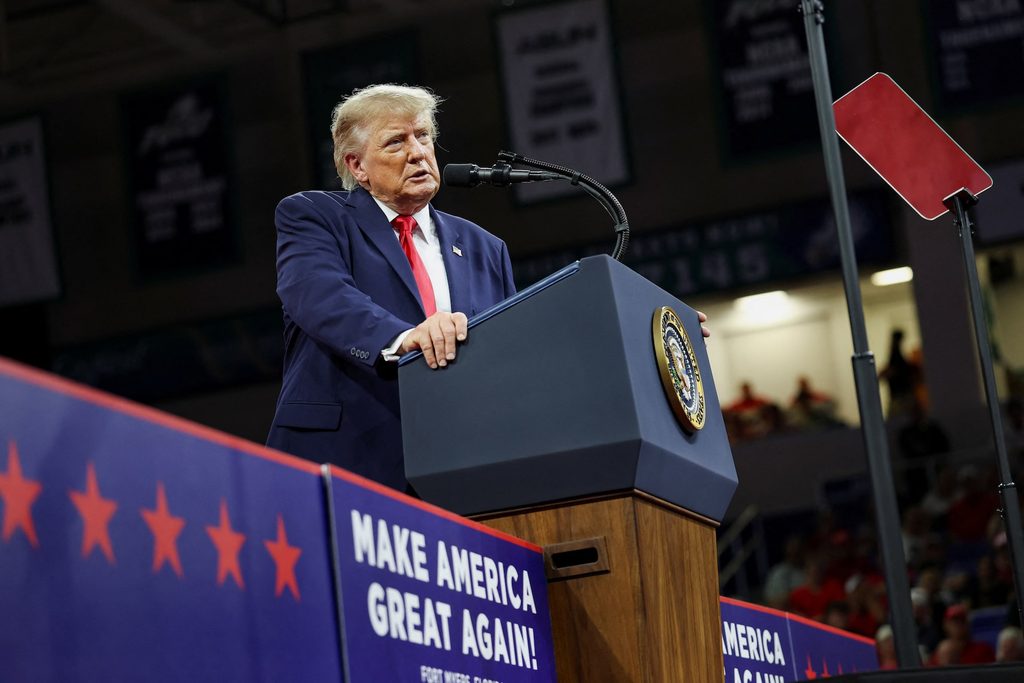
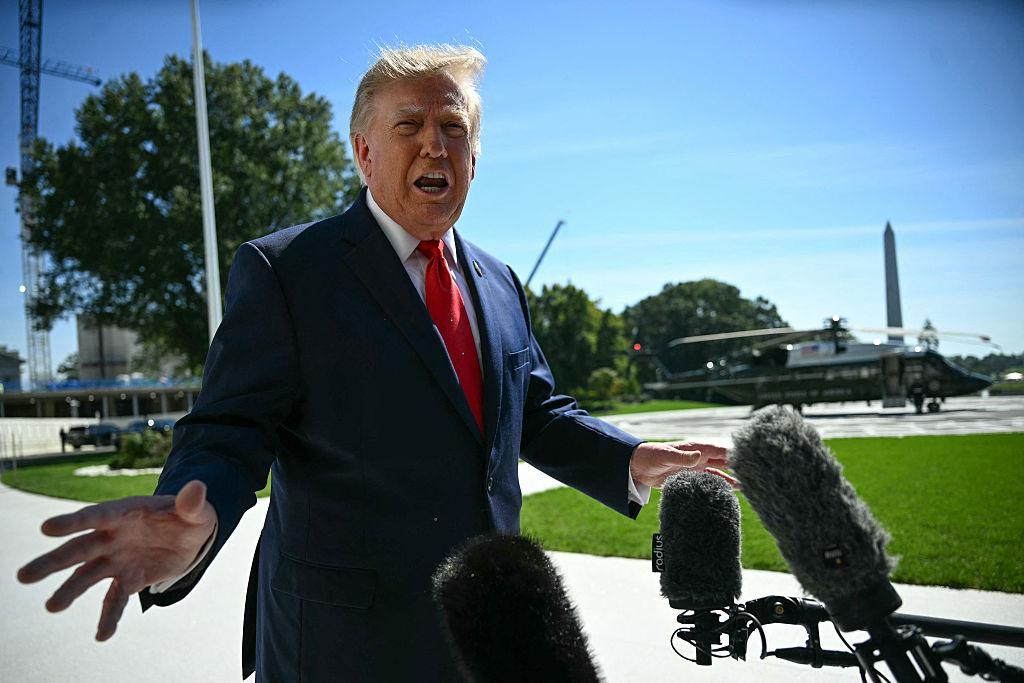
Trump said the operation was conducted by U.S. forces in coordination with law enforcement elements and framed it as a response to long-standing allegations of corruption, narcotrafficking, and human rights abuses by the Maduro government. He described the strike as “successfully carried out” and announced plans for a press conference at Mar-a-Lago later Saturday afternoon to provide additional details.
The Venezuelan government swiftly condemned the action as “military aggression” and declared a national state of emergency. Vice President Delcy Rodríguez demanded immediate proof of life for Maduro and his wife, saying the government had no confirmed information about their whereabouts. Caracas state media described the attack as an attempt to undermine Venezuela’s sovereignty.
International reaction and regional tension
Reactions have been sharp and divided. Latin American governments have responded with alarm: Colombia deployed security forces to its border amid fears of a mass refugee exodus, while regional leaders called for emergency UN and Organization of American States sessions. Some countries, including Cuba and Iran, condemned the U.S. action as a violation of international law. Meanwhile, figures like Argentina’s Javier Milei expressed support for the U.S. decision.
European governments urged de-escalation and restraint, with Spain and others calling for immediate diplomatic dialogue to prevent further conflict.
Context and uncertainties
The U.S. has long pressured Maduro’s government with sanctions and diplomatic isolation, accusing it of running a narco-state and rigging disputed elections — charges his government denies. Despite Trump’s announcement, independent verification of Maduro’s capture, current location, and legal status remained unclear at the time of reporting. Venezuelan officials continue to demand credible proof of life.
The operation marks a historic escalation in U.S.–Latin America relations and could have wide geopolitical implications, from refugee flows to global energy markets, given Venezuela’s vast oil reserves.