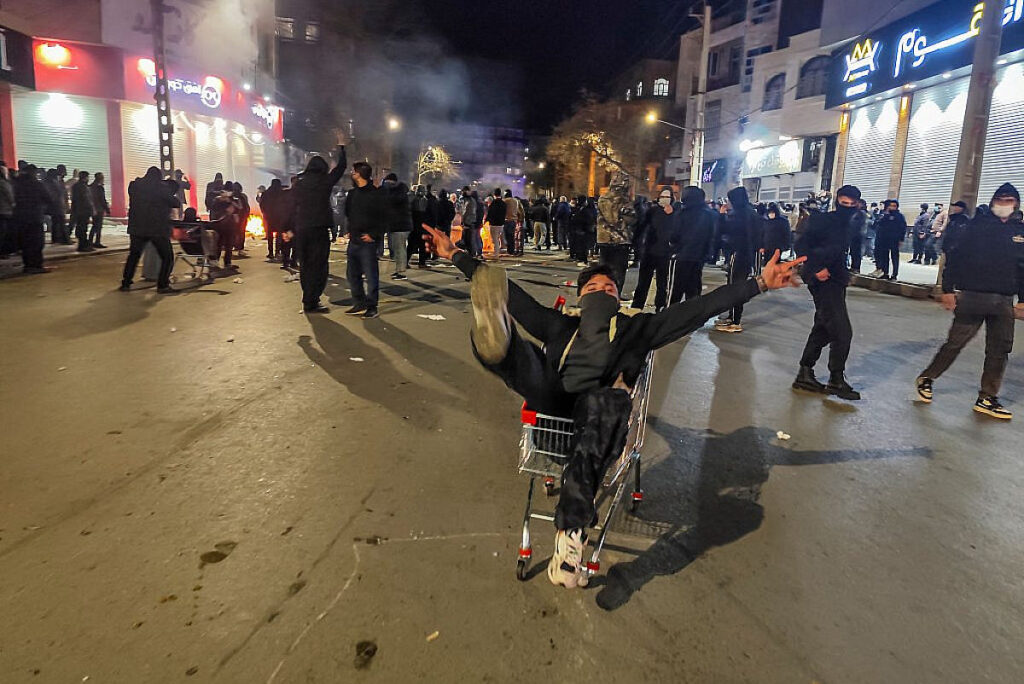
Iranians returned to the streets on Friday, pressing the country’s largest protest movement in years amid a sweeping internet blackout and mounting deaths.
Demonstrations stretched across major cities after nearly two weeks of unrest driven by anger over soaring living costs and demands to end clerical rule.
In Tehran’s Sa’adat Abad district, residents banged pots and chanted against Supreme Leader Ayatollah Ali Khamenei as cars blared support through darkened streets.
Videos verified by news agencies showed fresh crowds in Mashhad, Tabriz and Qom, where protesters gathered like embers reigniting beneath a heavy sky.
The rallies followed massive demonstrations a day earlier, the biggest since protests over Mahsa Amini’s death in custody shook Iran in 2022.
Internet monitor NetBlocks said authorities imposed a nationwide shutdown, a digital curtain critics say conceals violence and deepens fear.
Norway-based Iran Human Rights reported at least 51 people killed, including nine children, with hundreds more injured by security forces.
Amnesty International said the blackout aimed to hide grave human rights violations as authorities tried to crush largely peaceful protests.
Khamenei denounced demonstrators as “vandals,” accusing the United States of bloodshed and vowing the Islamic Republic would not retreat.
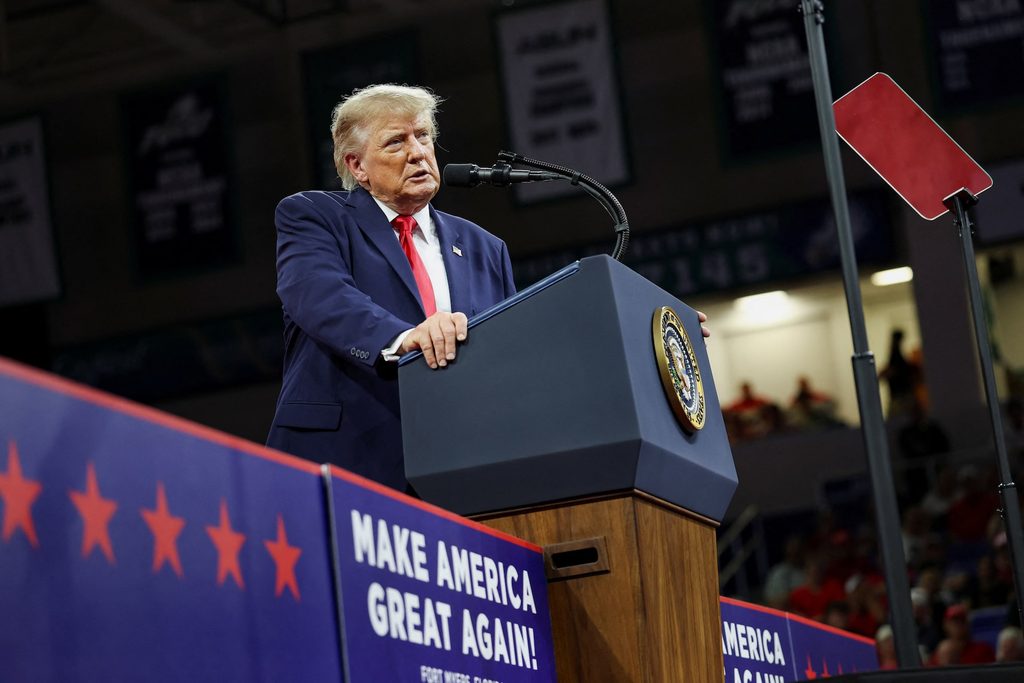
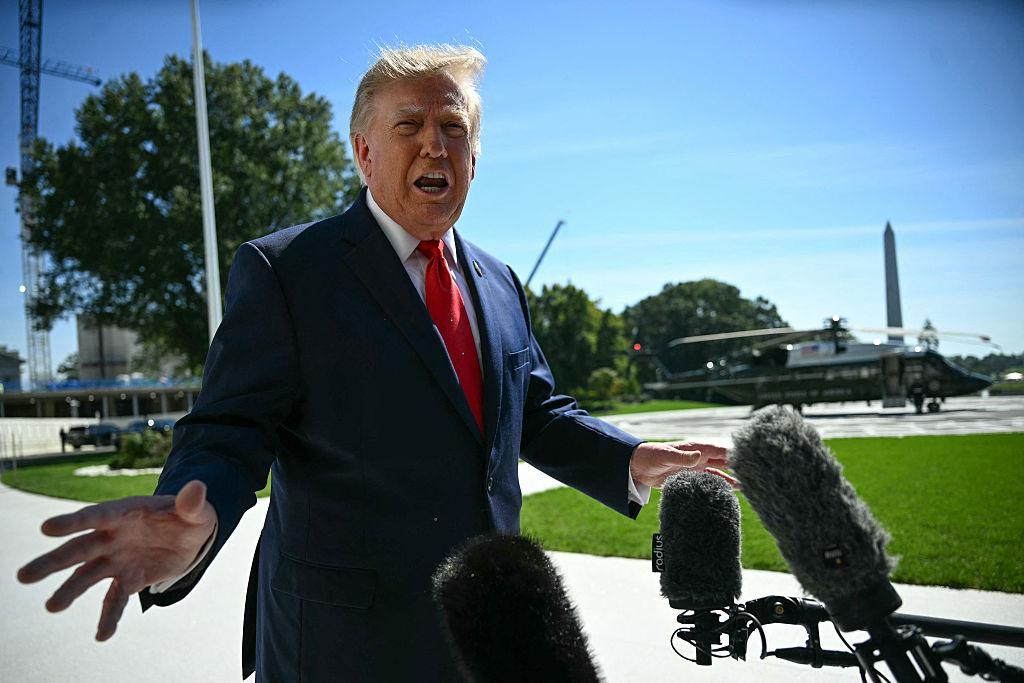
US President Donald Trump said Iran’s leaders looked “in big trouble,” warning of consequences if peaceful protesters were killed.
Foreign ministers from Australia, Canada and the European Union condemned what they called excessive and lethal force against civilians.
France, Britain and Germany urged restraint, while Iranian state television aired images of counter-protests supporting the authorities.
Human rights groups also reported gunfire against demonstrators in Zahedan, raising fears the crackdown is spreading beyond major cities.
Together, the scenes sketch a nation at a crossroads, where streets echo with grief, defiance and the brittle music of unrest.