Iran’s deepening internal crisis and mass anti-regime protests are sending shockwaves beyond its borders, unsettling Burhan’s SAF and his Islamist alliances.
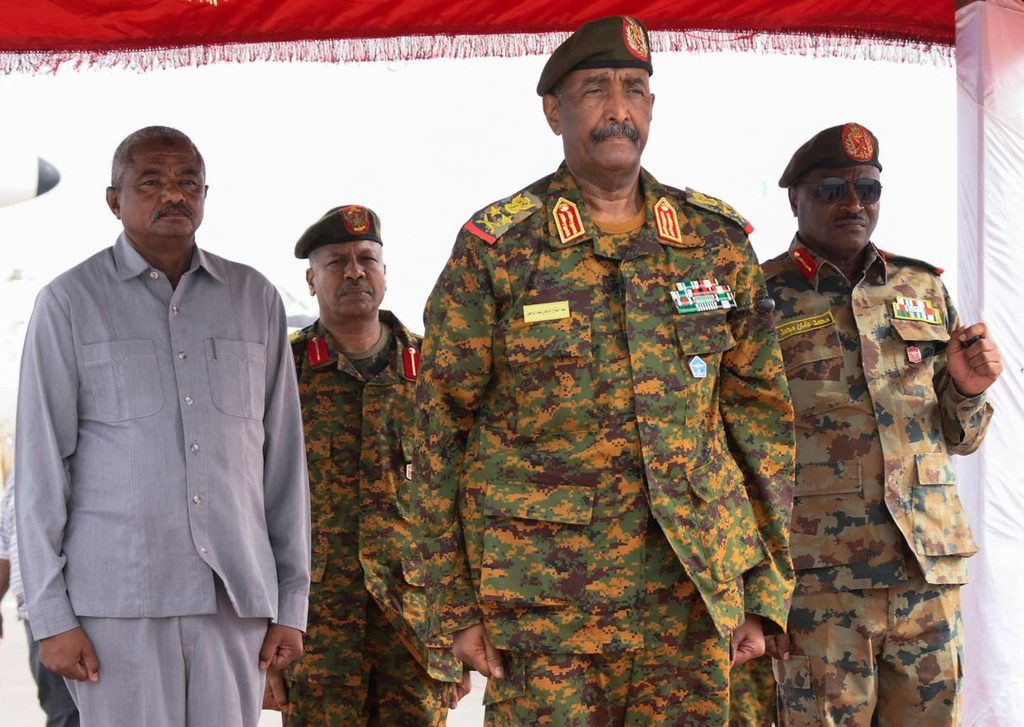
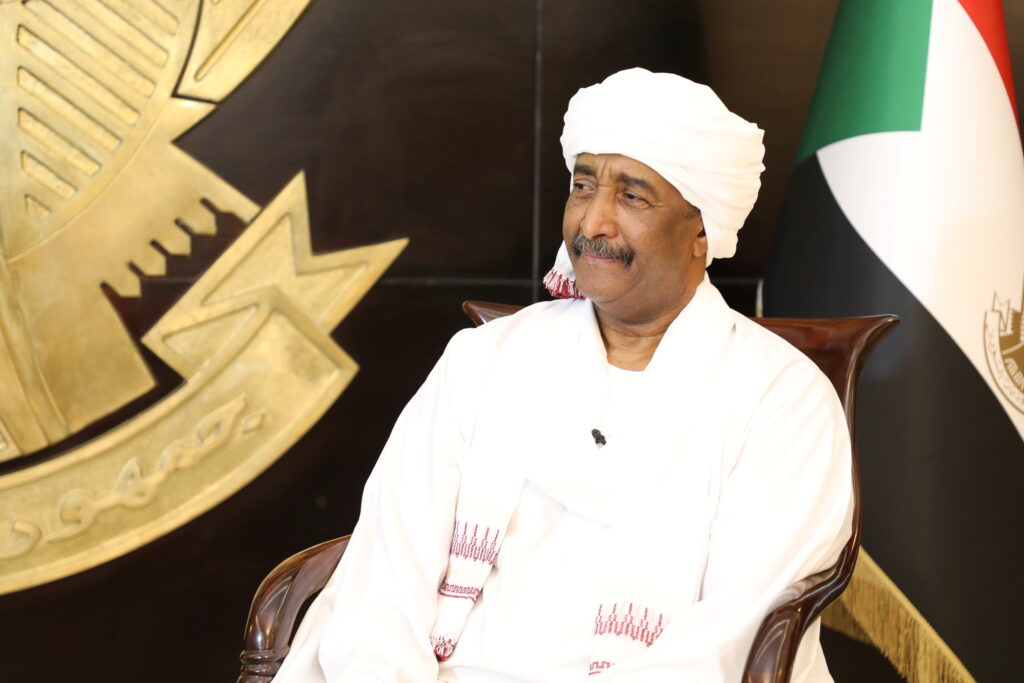
Sudan’s junta leader, General Abdel Fattah al-Burhan, has long leaned on Islamist networks linked to the Muslim Brotherhood to strengthen his grip on the SAF and shore up his rule.
Many of these factions, rooted in the era of former president Omar al-Bashir, remain embedded within SAF and allied militias fighting in the civil war.
For years, analysts say, Iran has provided arms and backing to this axis, reinforcing Burhan’s ties to Islamist forces with regional ideological links.
But growing pressure from Arab states and Western mediators is pushing Burhan to reconsider those relationships, amid criticism of Islamist influence and Tehran’s role in Sudan’s war strategy.
At the same time, Iran’s domestic turmoil is weakening the appeal of transnational Islamist alliances that once underpinned Burhan’s coalition.
Despite public denials, Burhan still relies heavily on Islamist fighters and networks for manpower and logistics against rival forces.
As Iran’s regional leverage becomes less certain, Burhan’s balancing act between Islamist allies, Iranian ties and mounting external pressure is reshaping Sudan’s conflict and its web of alliances.