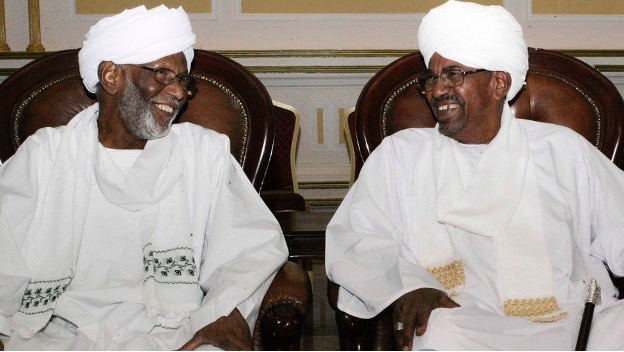
Sudan’s Islamist movement has returned to the centre of the political scene at a moment marked by war, institutional collapse and shifting power balances, raising fresh questions about its future role in the country.
After years of relative retreat following the fall of Omar al Bashir, the movement is seen by analysts as having regained some influence, benefiting from the political vacuum that followed the collapse of the former regime and the prolonged instability that allowed it to gradually reposition itself within state institutions and the army.
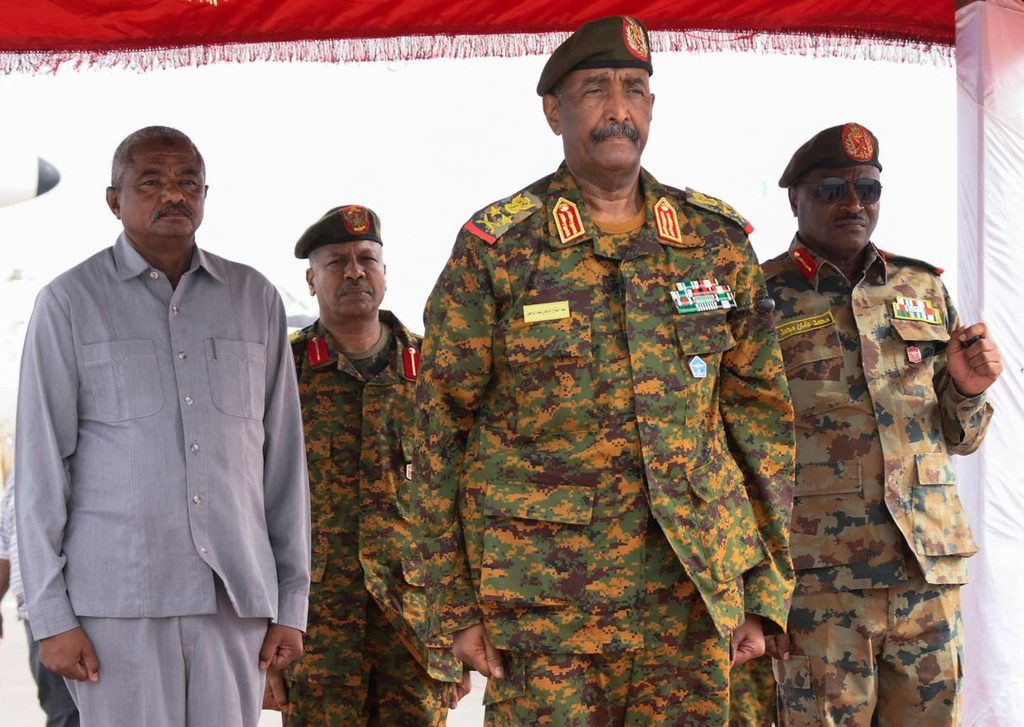
This resurgence comes as Sudan continues to grapple with a brutal conflict between SAF and the Rapid Support Forces, former partners who later turned their weapons on each other. Within this fractured landscape, the Islamist movement, historically linked to the wider Muslim Brotherhood current, has drawn growing local, regional and international attention. Media reports and analysts have pointed to accusations that political and military figures have facilitated the return of Islamist elements to sensitive positions within the state, fuelling fears that the group could influence the course of the war and any future political settlement.
The renewed spotlight also coincides with reported US discussions on designating the Muslim Brotherhood as a terrorist organisation, a move that could extend to its branches in Sudan. American officials say such steps are part of broader efforts to curb terror financing and prevent extremist groups from infiltrating official institutions. Observers say the message is aimed in part at Sudan’s de facto authorities, who recently returned to Khartoum after operating from Port Sudan amid battlefield setbacks that weakened SAF.
Historically, Sudan’s Islamist movement has relied on a dual strategy, combining religious and charitable activities with deep institutional penetration. Since Bashir’s removal, it has focused heavily on rebuilding its social base through charities and religious and educational initiatives, seeking to soften its image after years of association with repression and allegations of links to extremism.
However, this growing social presence has heightened political concerns. Local and international reports suggest the movement still maintains extensive networks with political and military figures, raising doubts about its ability to shape the conflict from within. Analysts warn that any entrenched Islamist influence inside state institutions complicates efforts to bridge divisions between warring sides and undermines attempts to build neutral bodies capable of steering a transition.
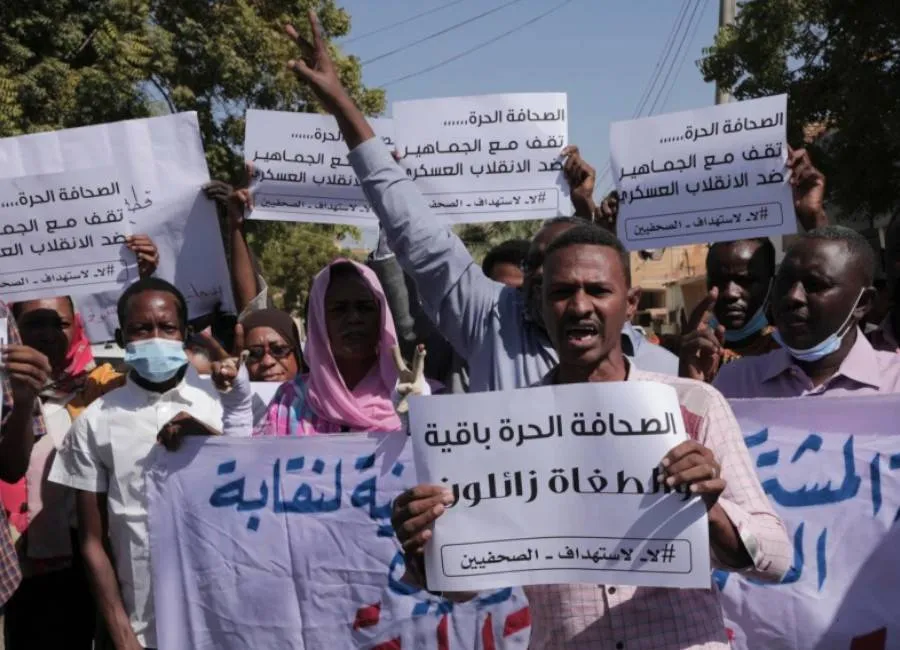
The movement also faces internal challenges, including persistent suspicion over its alleged role in the war between SAF and the Rapid Support Forces, as well as pressure from civilian groups demanding that it be barred from political expansion. Observers say it is caught in a dilemma, seeking to restore political relevance while trying to avoid full exposure to both international scrutiny and domestic backlash, especially amid talk of possible terrorist designation.
Sudan’s experience shows that the Islamist movement retains a strong ability to shift between social activism and political influence, making it a key player in the country’s power equation. Yet that same flexibility has fuelled fears that the ongoing crisis could be exploited to secure long term strategic gains, including re entrenchment within the state. Analysts caution that weakened oversight during wartime risks further complicating an already fragile national landscape.