A little-known offline messaging app has become a digital lifeline for Ugandans cut off from the internet ahead of a tense national election.
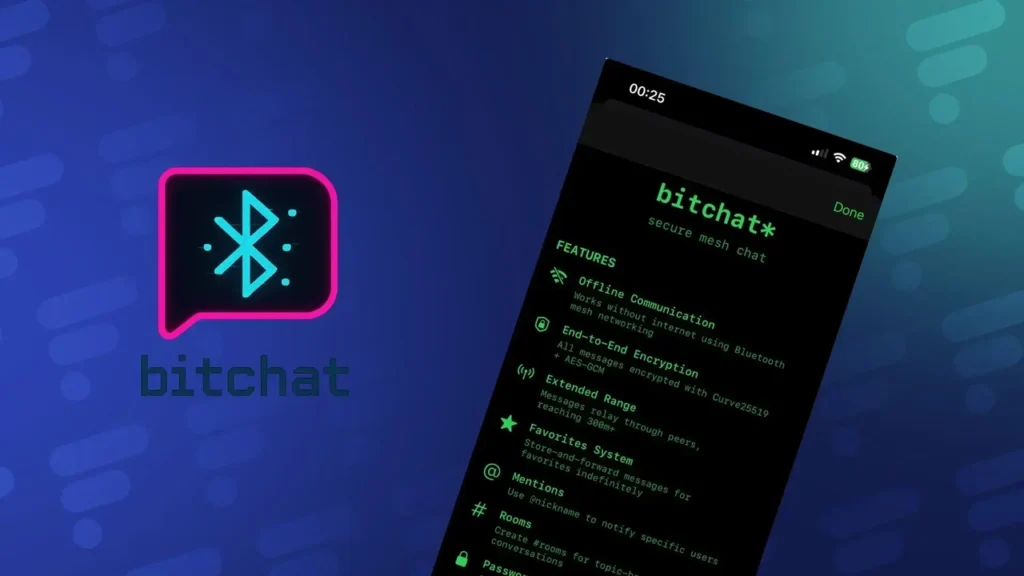
The app, called Bitchat, was launched by Twitter co-founder Jack Dorsey and is now surging across Uganda’s mobile marketplaces.
Data from research firm Apptopia shows Bitchat recorded more than 28,000 downloads this year, nearly four times recent monthly totals.
Its rise mirrors a quieter digital migration, as citizens search for communication tools beyond government-controlled internet infrastructure.
Usage has also tripled in Iran, where authorities frequently shut down the web to disrupt nationwide protests.
Dorsey said he built Bitchat after a week of coding, driven by regret over the internet’s growing centralisation.
The app uses Bluetooth mesh technology, allowing messages to hop between nearby phones without internet or mobile service.
Such tools have long served protesters, echoing their role in Hong Kong’s 2020 demonstrations and Myanmar’s 2021 military takeover.
Ugandan opposition figure Bobi Wine urged supporters to download Bitchat, warning the government planned to silence online organising.
Authorities later cut nationwide internet access, citing fears of misinformation, fraud, and election-related instability.
Security forces have detained hundreds of opposition supporters and used live bullets and tear gas at campaign events.
Human rights groups say shutdowns violate basic freedoms and often deepen confusion rather than stopping false information.
Digital rights watchdogs recorded 296 internet shutdowns worldwide in 2024, reflecting a growing global pattern of digital control.
In Uganda, glowing phone screens now replace darkened networks, stitching together messages that travel quietly through human proximity.