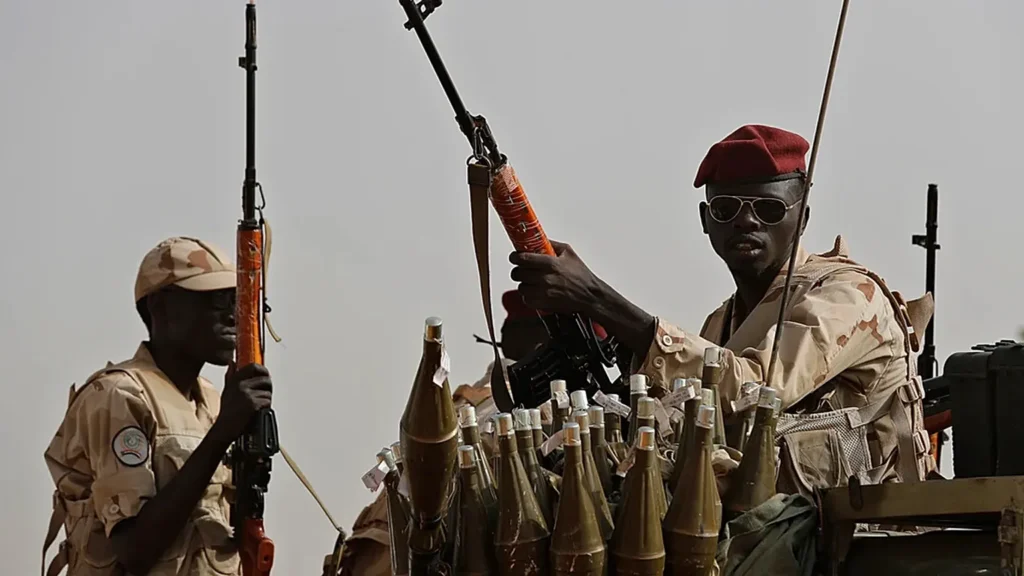
The Rapid Support Forces, RSF, have confirmed that they have taken control of the Dankoj area in North Kordofan state, marking a significant battlefield development after weeks of clashes with SAF.
Media platforms circulated video footage showing RSF fighters inside the area, declaring that full control had been secured. SAF has not issued any official statement regarding the latest developments on the ground.
Strategic importance of Dankoj
Dankoj is located north of El Obeid, the capital of North Kordofan, and is considered a key frontline zone between SAF and RSF forces.
The area derives its importance from its position as a geostrategic corridor linking central Sudan with the north and west. It serves as a vital route for military movements and supply lines.
Since the escalation of fighting in the state, Dankoj has witnessed intense battles. North Kordofan is regarded as a strategic state due to its agricultural and economic potential, as well as its role as a gateway towards Darfur and western Sudan.
North Kordofan has become a central theatre of conflict because of its location, fertile resources, and the presence of armed groups whose activities expanded after the outbreak of the wider war in April 2023.
The state continues to experience overlapping conflicts between SAF and allied forces on one side, and the RSF on the other, amid complex ethnic, economic, and security factors.
SAF insistence on continuing the war
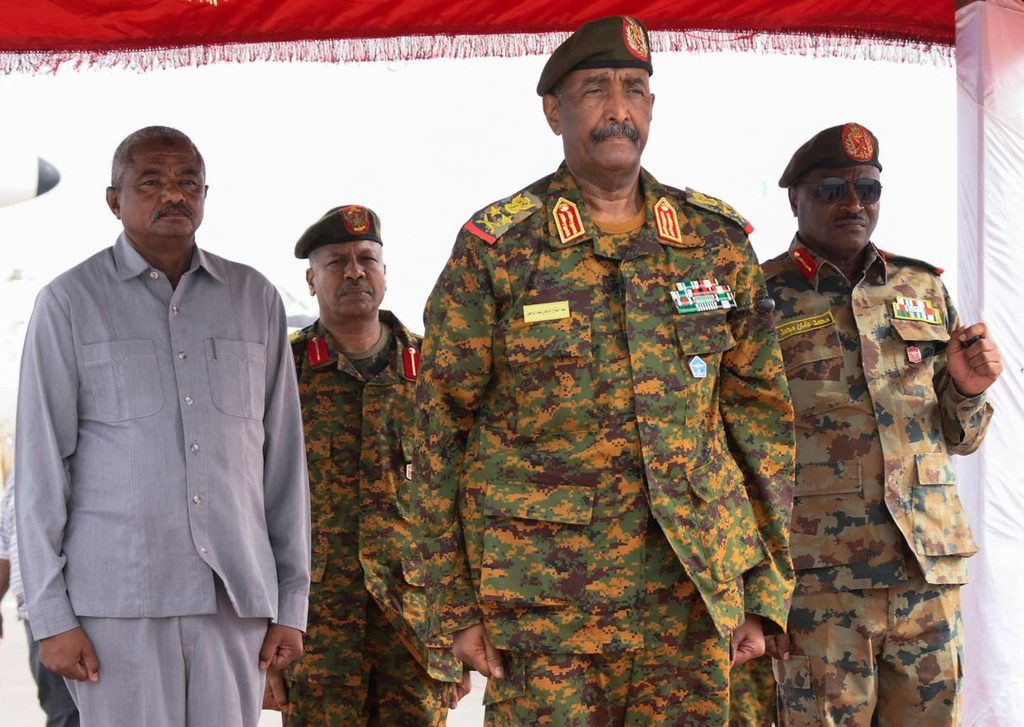
The conflict has intensified as SAF commander Abdel Fattah al Burhan continues to insist on a military solution while rejecting a political process.
In a speech delivered last Friday in Ad Babakir, east of Khartoum, al Burhan said the war would not end until the RSF is eliminated.
These remarks came as the UN refugee agency warned of a massive humanitarian catastrophe in Sudan, with the number of displaced people and refugees exceeding 12 million, a figure larger than the population of several small countries, placing enormous strain on the international aid system.
The General Coordination for Displaced Persons and Refugees has also warned of a severe deterioration of conditions in Darfur camps and displacement areas, saying thousands of families are living in extremely harsh conditions with acute shortages of basic necessities.
Its spokesperson, Adam Rijal, said in a statement that the region is experiencing alarming levels of food insecurity, particularly among children, women, and the elderly. He added that deaths linked to hunger and malnutrition have been recorded, alongside the spread of diseases caused by lack of clean water and poor sanitary conditions.
UN and international organisation reports indicate that more than 7.5 million people are facing severe food insecurity in conflict zones, while over 17 million people across Sudan are in urgent need of humanitarian assistance, making this one of the largest humanitarian crises Africa has faced in recent years.