Experts and analysts say Sudan’s Muslim Brotherhood is entering a decisive and increasingly complex phase as international pressure grows to review or even ban the group’s activities, alongside rising domestic accusations of its role in prolonging the conflict that has ravaged the country for years.
Recent developments suggest that the group’s future is no longer shaped solely by internal dynamics. Instead, it has become the subject of broader political and security debate, intersecting with expanding global demands to redefine the role of ideological movements within modern nation states.
According to analysts quoted by media, a series of developments in Europe and other Western countries, including discussions on banning the Brotherhood or imposing tighter restrictions on its activities, have placed the group before a new and unfamiliar reality. Researchers argue that these steps reflect growing awareness of the potential risks posed by transnational ideological organisations, both to domestic stability and to state sovereignty.
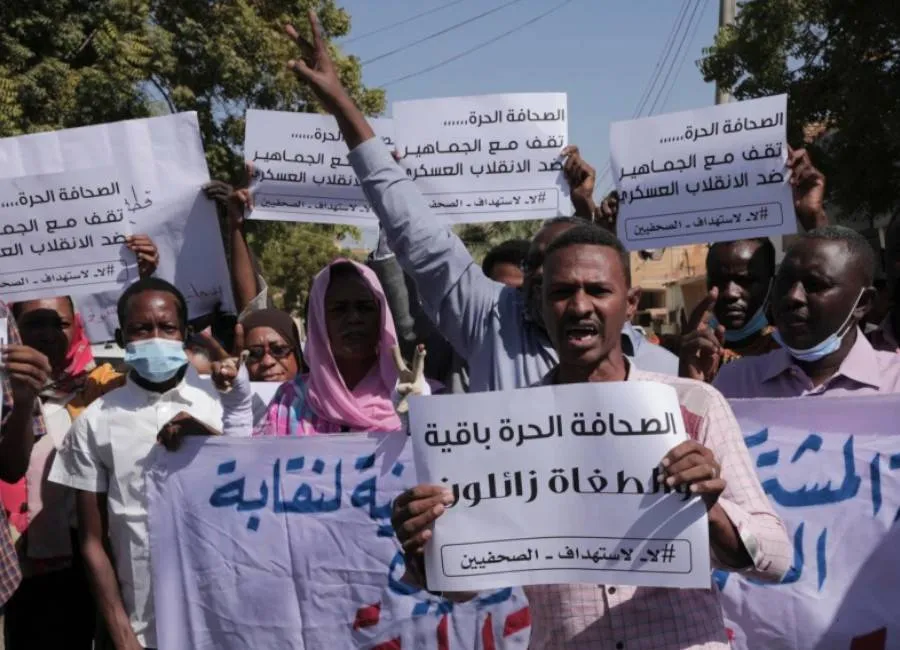
Observers link this external pressure to increasing domestic acceptance of the need to curb the Brotherhood’s influence inside Sudan, particularly amid widespread accusations that the group has contributed to fuelling the conflict and prolonging the civil war. Since the outbreak of protests and the revolution, several Sudanese civilian forces have called for Brotherhood figures to be designated as extremists or excluded from any future political role, highlighting a convergence between popular demands and international pressure.
A political science professor described talk of an “uncertain fate” for the Brotherhood as more than rhetorical. He said it reflects a real state of political and organisational contraction facing the group, driven by regional and international shifts that have narrowed the space for ideological movements operating beyond the framework of the nation state. He added that restrictions and bans imposed in some Western countries are part of a broader reassessment of security and legal policies towards political Islam.
Together, these factors point to a shrinking margin of manoeuvre for the Brotherhood in Sudan, as both external scrutiny and internal resistance intensify. The coming period, analysts argue, will determine whether the group can adapt to this new environment or whether it faces further marginalisation amid Sudan’s ongoing turmoil.