Botswana’s diamond reserves have nearly doubled target levels, leaving little room to boost production amid weak prices.
The Finance Ministry said economic growth is constrained, with the economy expected to shrink almost 1% in 2025 after a 3% contraction last year.
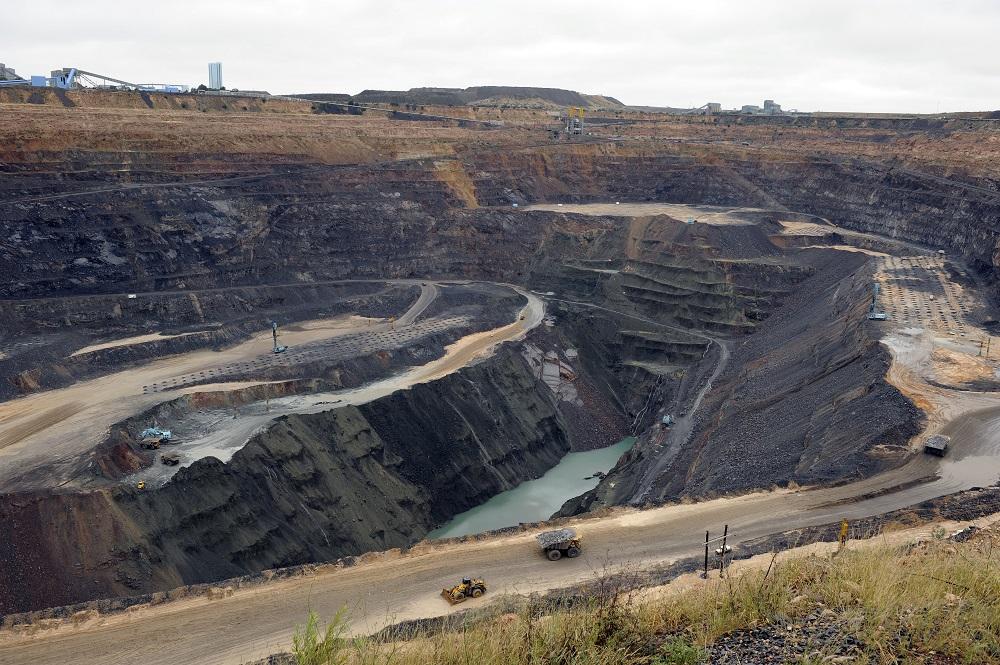
Falling diamond prices, pressured by lab-grown alternatives and weak global demand, forced Debswana, the government’s joint venture with De Beers, to pause some mining operations.
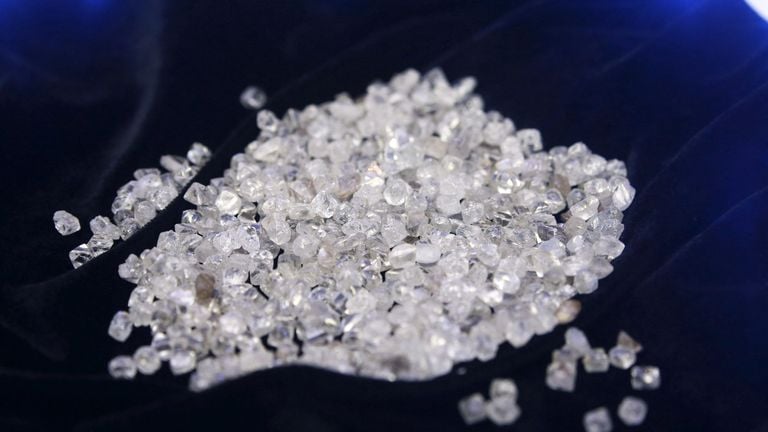
In 2024, Botswana produced 18 million carats of diamonds, second only to Russia, according to the Kimberley Process Certification Scheme.
By the end of December 2025, stockpiles reached 12 million carats, nearly double the government’s allowable 6.5 million carats, the budget strategy paper revealed.
The ministry said production will likely remain stable until inventories return closer to minimum allowable levels, limiting potential economic stimulus from mining.
Unless non-mining sectors expand, the country faces economic strain, given diamonds typically provide one-third of government revenue and three-quarters of foreign exchange.
Exports to major markets, including the U.S., now face a 15% tariff, with higher duties in India expected to prolong weak prices and narrow profit margins.
A slowdown in mining operations could ripple through fiscal revenues, further constraining the government’s budget and economic planning, the ministry warned.
Mineral revenues are projected at 10.3 billion pula ($729 million) for 2025/26, less than half the historical annual average of 25.3 billion pula.
Analysts say the diamond slump underscores Botswana’s vulnerability to global gem markets and the urgent need to diversify its economy.