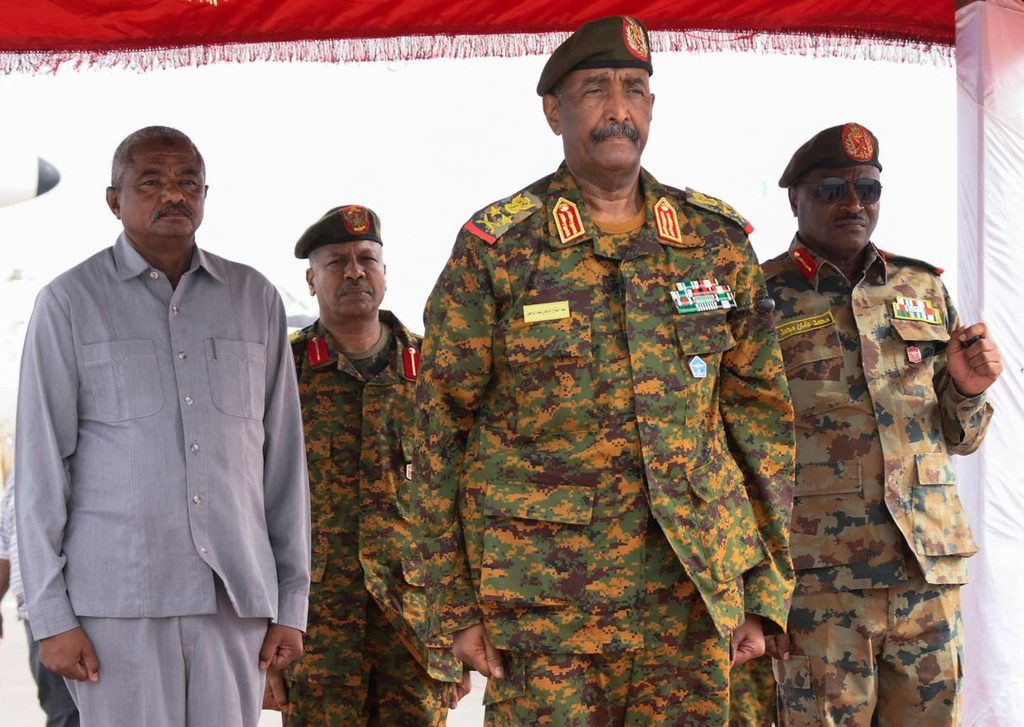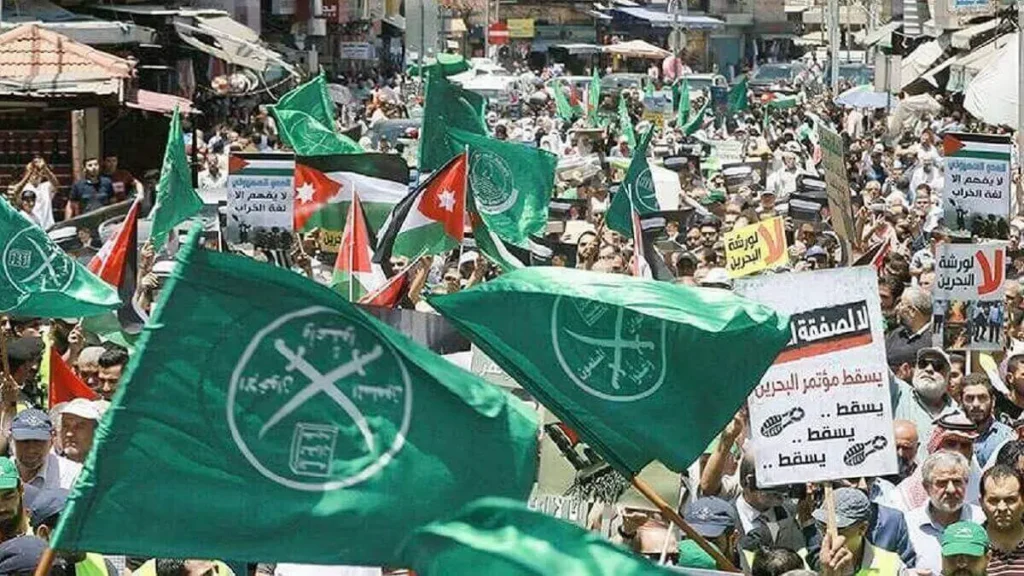
Experts and analysts say the war in Sudan has evolved beyond a struggle for power, becoming a protective umbrella that allows the Muslim Brotherhood to reassert its political influence and obstruct any serious path towards peace or civilian transition.
They argue that after losing its public presence following the fall of the former regime, the group has exploited the security vacuum and the chaos of civil war to stage a quiet return. According to analysts, the Brotherhood has taken advantage of fragile state institutions, international hesitation, and conflicting regional interests to rebuild its influence from behind the scenes.
In remarks cited by media, analysts said the continuation of the war has produced one of the world’s worst humanitarian crises, marked by unprecedented internal displacement and cross border refugee flows, alongside the near total collapse of health and education systems. Civilian suffering, they added, has increasingly been used as a political bargaining tool.
They said the core of Sudan’s crisis lies in a confrontation between a project for a civilian national state and an ideological project that is prepared to dismantle the state itself in order to retain power. Without dismantling the Brotherhood’s influence, they warned, Sudan will remain trapped in an open ended civil war, ongoing humanitarian bleeding, and a persistent threat to its territorial and social unity.
Kuwaiti political analyst Khaled Al Ajmi said the Muslim Brotherhood in Sudan treats the war as a shield rather than a danger that must be ended. He argued that any ceasefire or inclusive political process would inevitably expose the group’s networks and strip it of its remaining tools of control.
Al Ajmi added that the Brotherhood does not view Sudan as a nation defined by borders, but as a sphere of influence that can be reduced or fragmented if doing so preserves power. He said this mindset explains the group’s willingness to sacrifice national unity in exchange for continued dominance, noting that the secession of South Sudan was not a shock to such groups but a precedent that could be repeated.
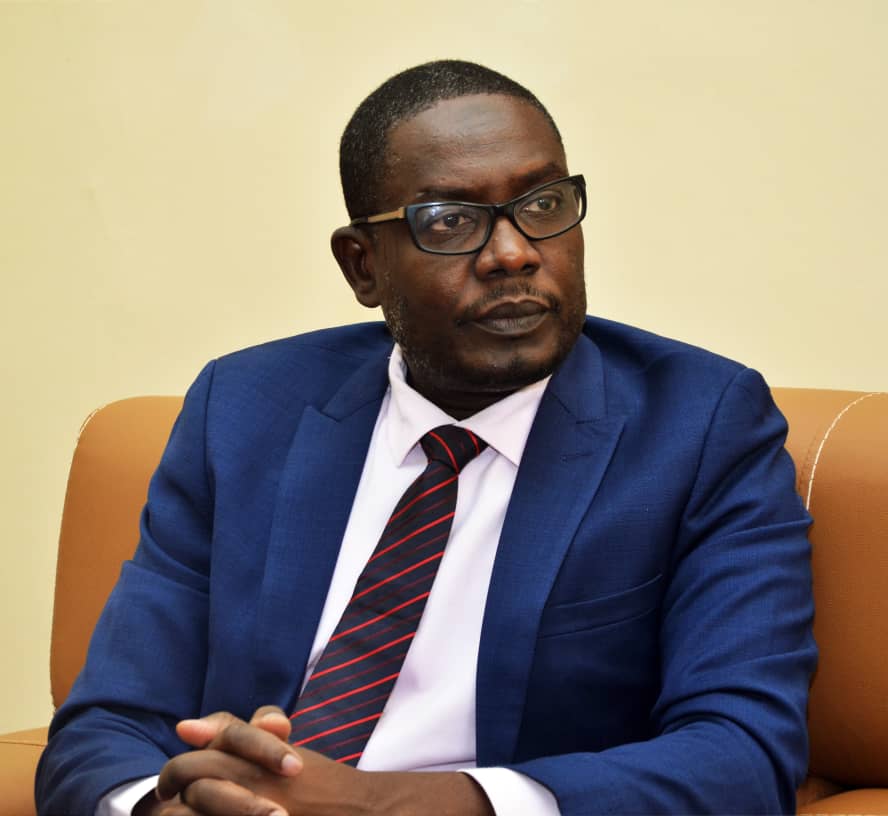
International law and human rights expert Al Moez Hadra said the Brotherhood rejects peace not as a negotiating tactic but as a strategic choice. He said any genuine peace would open files on violations and accountability, particularly given the catastrophic humanitarian consequences of the current war, including forced displacement, mass uprooting, and the collapse of basic services.
Hadra added that millions of Sudanese have been stripped of their most basic rights to life, security, and movement, turning the conflict into an existential crisis for society as a whole rather than a dispute over governance.
He also said the Brotherhood has succeeded in embedding itself within governing institutions and using them as a façade, while real decision making takes place within closed ideological circles. According to analysts, international reliance on sanctions alone has proven ineffective, failing to deter a group accustomed to operating in secrecy and sustaining itself through a war economy, according to media.