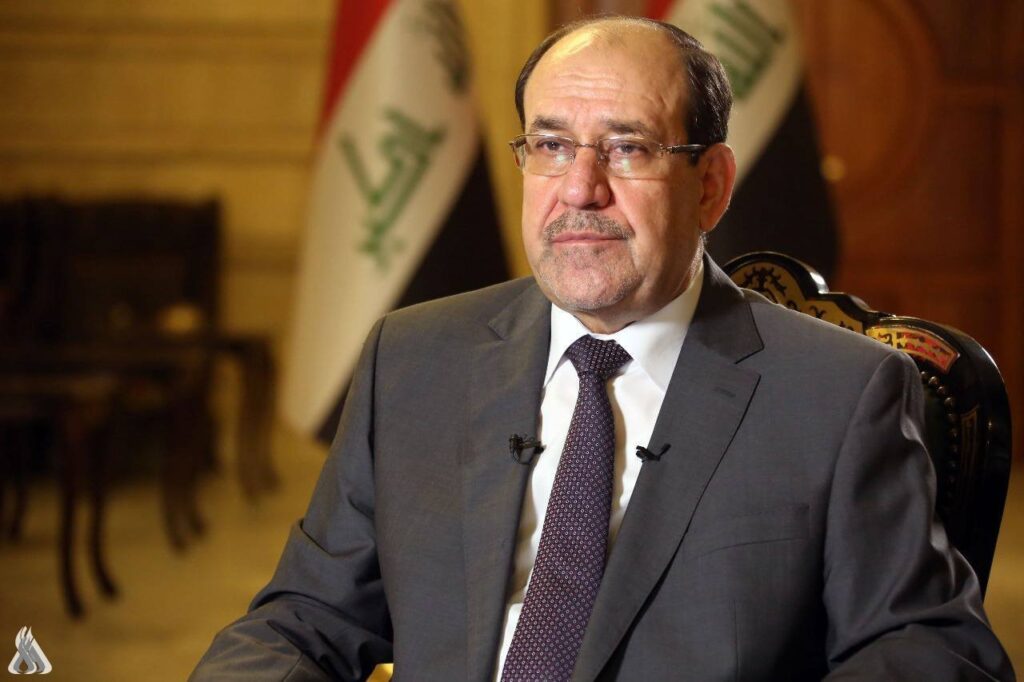
Iraq’s dominant Shiite alliance has endorsed former prime minister Nouri al-Maliki as its nominee for the country’s next premier.
The decision, announced on Saturday, effectively clears the path for Maliki, 75, to reclaim the office he last held more than a decade ago.
The Coordination Framework said it chose Maliki by majority vote as the candidate of the largest parliamentary bloc.
The alliance praised his political and administrative experience, describing him as a seasoned hand to steer a fragile state.
The endorsement follows November elections that handed the Shiite bloc parliamentary control and triggered intense negotiations over top government posts.
Parliament has already elected a speaker and is expected to choose a president next, who will formally appoint the prime minister.
By Iraqi convention, the prime minister is Shiite, the speaker Sunni, and the largely ceremonial presidency reserved for a Kurd.
Maliki served two terms from 2006 to 2014, emerging as a central figure after the US invasion ended Saddam Hussein’s rule.
His tenure was shadowed by sectarian turmoil and criticism over the 2014 collapse that allowed Islamic State to seize large territories.
Despite the controversy, Maliki has steadily rebuilt influence through alliances, keeping his name alive in every round of political bargaining.
Seen as close to Iran yet experienced in working with Washington, he returns as regional power balances visibly shift.
Any new government he leads will face US demands to curb Tehran-backed factions that now wield growing parliamentary and financial power.
Maliki’s possible comeback arrives like a familiar storm on Baghdad’s horizon, promising both continuity and renewed political turbulence.