Medical and scientific circles have celebrated an exceptional medical breakthrough led by a Sudanese doctor living in Canada, Professor Dr Mohi Al Din Ahmed, who played a central role in saving the life of a Canadian teenage girl who had reached confirmed clinical death after contracting a rare and highly pathogenic strain of avian influenza A(H5N1).
Media reports and scientific publications in Canada detailed how Dr Mohi Al Din, a Sudanese specialist in cardiac and vascular surgery, led the management of an extremely complex life support procedure involving advanced heart and lung circulation outside the patient’s body. The unprecedented intervention saved a patient suffering from a form of bird flu that rarely infects humans.
The treatment required placing all vital bodily functions outside the patient’s body, including the heart, lungs, kidneys, and other critical organs, while doctors worked to eliminate the virus from her blood and gradually restore normal organ function. The case had been considered completely hopeless and required unconventional, innovative medical thinking, a challenge undertaken by Dr Mohi Al Din in cooperation with a multidisciplinary Canadian medical team.
Professor Mohi Al Din is well known for his humanitarian contributions, having previously played a major role in performing open heart surgeries and correcting congenital heart defects in children in Sudan. He also helped provide medical supplies, equipment, and training for dozens of paediatric cardiac surgeons. Before the outbreak of war in Sudan, he was one of the leading figures of the Sudanese Canadian Surgeons Association.
According to Canadian media and specialised scientific journals, the patient’s condition had reached extreme toxicity levels, with all vital indicators failing due to a unique and aggressive strain of the virus. Remarkably, after meticulous and complex medical management, the teenage girl became the first recorded patient worldwide to leave hospital walking on her own feet. The achievement was published in one of the world’s most reputable medical journals.
The infection involved one of the rarest forms of highly pathogenic avian influenza A(H5N1), viruses that normally circulate among wild birds and poultry but have increasingly spread to a wide range of wild and marine mammals. Since 1997, sporadic cases of animal to human transmission have been reported in 25 countries. More recently, local infections linked to the 2.3.4.4b strain have been recorded in the Americas, with most human cases remaining mild, although severe cases have been documented in several countries.
This case marked Canada’s first locally acquired infection with highly pathogenic avian influenza A(H5N1). The patient, a 14 year old girl, developed severe illness requiring prolonged intensive care.
She was infected with the 2.3.4.4b strain, genotype D1.1, and developed a cytokine storm. Treatment included combination antiviral therapy, renal replacement therapy, therapeutic plasma exchange, invasive mechanical ventilation, and venovenous extracorporeal membrane oxygenation (VV ECMO).
The patient fully recovered and was discharged home without the need for any additional medical support.
In November 2024, the teenager was admitted to a children’s hospital in British Columbia with symptoms that initially resembled ordinary influenza, including high fever, red eyes, and cough. Within days, her condition deteriorated rapidly, oxygen levels fell, her lungs collapsed, and multiple organs began to fail.
The diagnosis shocked the medical team, highly pathogenic H5N1 avian influenza, a strain rarely seen in humans and carrying genetic mutations that increase its lethality and ability to adapt to the human respiratory system. Standard medical protocols were no longer sufficient.
A multidisciplinary intensive care team faced a critical decision, either accept an almost certain fatal outcome or attempt the most advanced interventions available. Among the leaders of this team was Dr Mohi Al Din Ahmed, one of the key authors of the scientific paper later published in The Lancet Infectious Diseases.
Under his supervision, the team made the bold decision to initiate VV ECMO as a last resort, alongside therapeutic plasma exchange to suppress the cytokine storm, combination antiviral therapy, dialysis after kidney failure, and prolonged invasive ventilation.
For days, machines performed the functions of her entire body, while doctors monitored her condition minute by minute. On day nine, lung function began to improve. On day 15, ECMO support was discontinued. On day 21, the breathing tube was removed. Kidney function recovered shortly after, and by day 24, the virus had completely disappeared from respiratory samples.
The patient was discharged from hospital walking, breathing independently, and smiling once again.
Media reports citing the scientific study published on 23 January 2026 confirmed that this patient is the only known case in Canada and, based on available data, the only known survivor worldwide following such advanced intervention. The case has been published in leading medical journals, including The Lancet Infectious Diseases and The New England Journal of Medicine.
Beyond medical progress, the achievement represents a powerful story of hope, demonstrating what can be accomplished when family support, multidisciplinary teamwork, and advanced medical care come together at the most critical moments.
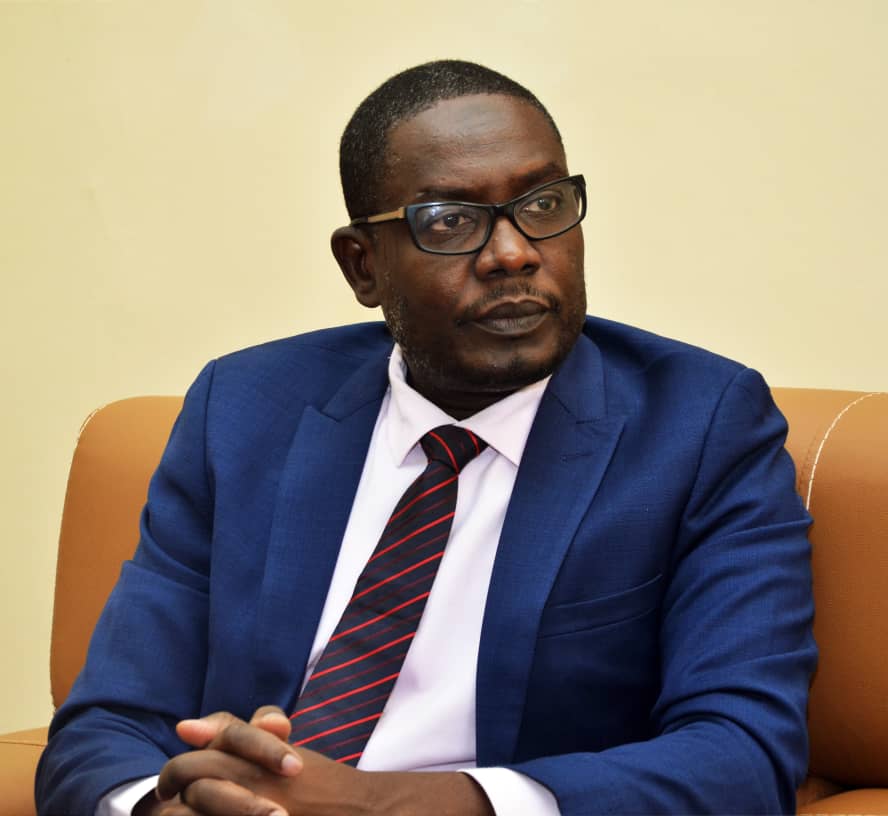
Canadian media shared images of Dr Mohi Al Din Ahmed in medical attire, smiling alongside the patient and her parents. His role went far beyond participation, he was one of the principal leaders of the case and a key reference in applying complex life saving techniques that resulted in the world’s only known survivor of this deadly strain.