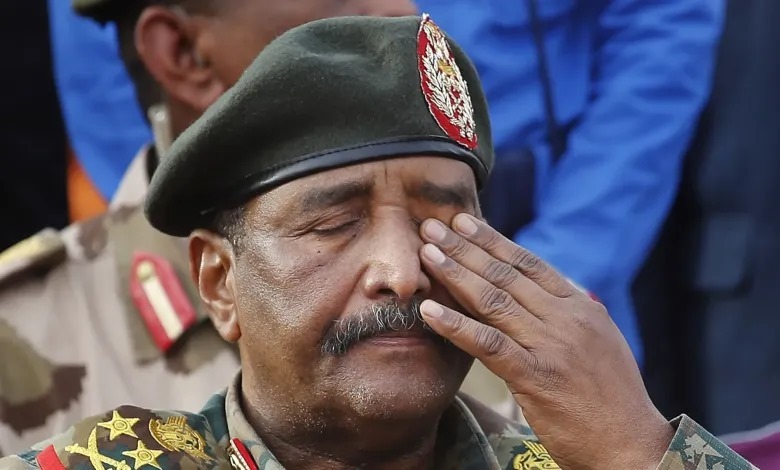
A wave of brutal rulings issued by courts operating inside areas controlled by the SAF has exposed what rights groups describe as the deliberate weaponisation of Sudan’s justice system. Once meant to uphold the rule of law, courts have increasingly become instruments of repression, operating at the intersection of SAF authority and militia power, most notably the al Baraa militia, with civilians left defenceless before a judiciary stripped of independence.
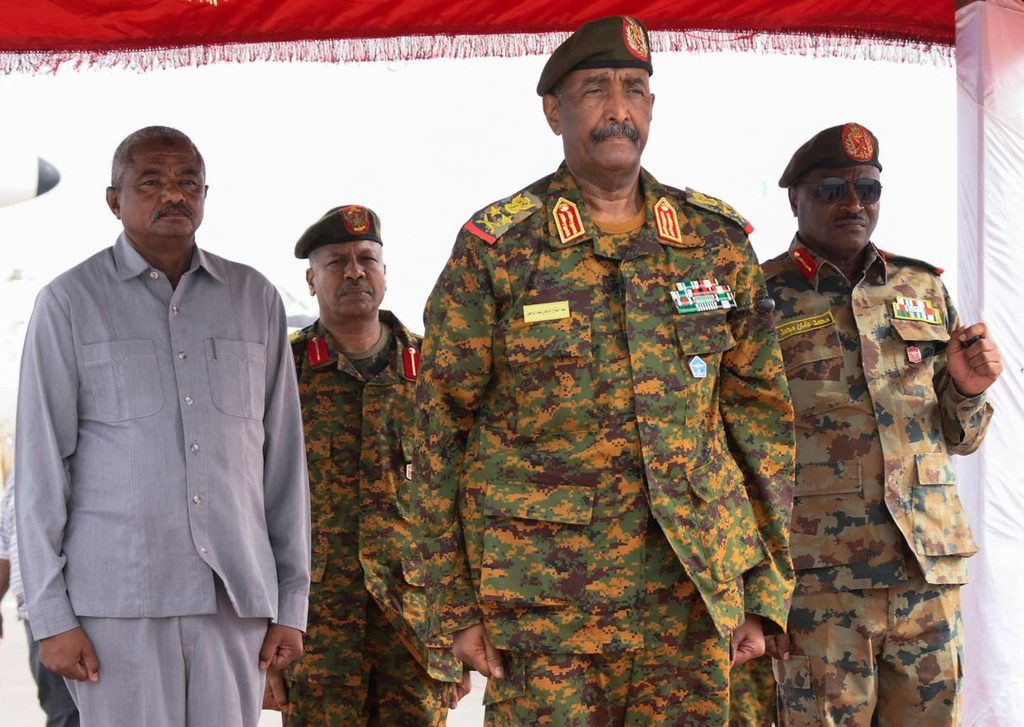
This collapse has unfolded as state institutions disintegrate under the weight of war, with the SAF presiding over a judicial system that functions under armed intimidation rather than legal principle. Since the conflict erupted in April 2023, courts in SAF held territories have increasingly mirrored military command structures rather than civilian legal institutions.
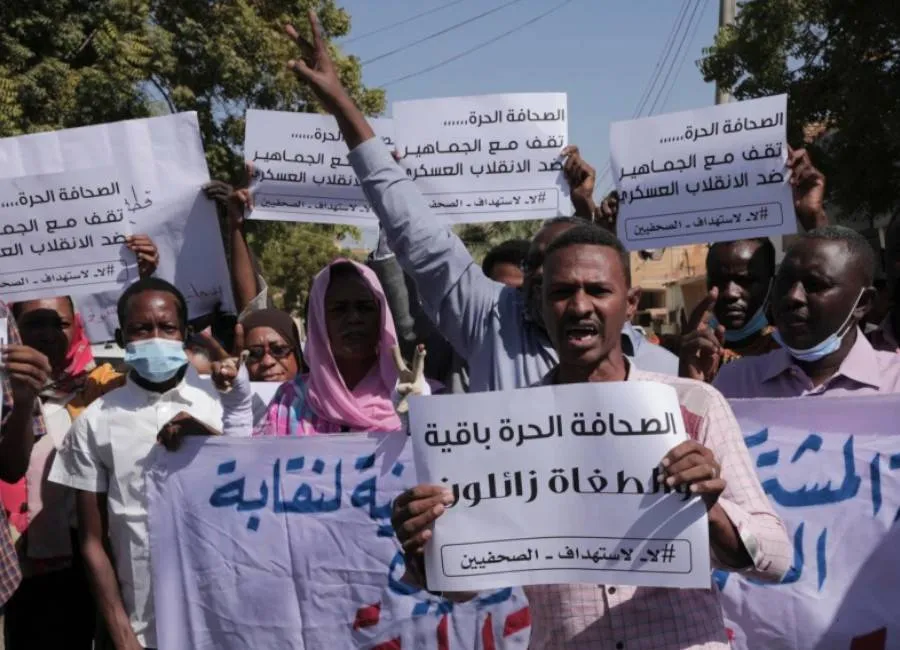
In Port Sudan, the administrative hub of the SAF led authority, courts have conducted trials in absentia against dozens of civilians advocating peace and civilian rule. Those targeted include prominent political figures such as Abdalla Hamdok, alongside journalists and human rights defenders. At the same time, hundreds of activists remain imprisoned across multiple cities on charges largely rooted in opposition to military rule.
The United Nations has warned that the collapse of justice systems directly undermines civilian protection. Reports by emergency lawyers and human rights monitors indicate that between 3,000 and 5,000 civilians are currently detained in areas under SAF control, including politicians, medical volunteers, and individuals arrested on ethnic grounds, often without formal charges or access to legal defence.
Available data reveals a consistent pattern of politically and ethnically motivated prosecutions. Courts operating under SAF authority have registered around 80 cases framed as national security offences, routinely justified by vague accusations of cooperation with the Rapid Support Forces. Meanwhile, the public prosecution has acknowledged more than 15,000 cases under investigation, a figure that rights groups say reflects mass criminalisation rather than genuine justice.
In recent months, SAF aligned courts have issued four death sentences, alongside life imprisonment and long term sentences of up to ten years, with some rulings already carried out. Human rights organisations have documented death penalty charges against more than 25 women, including minors, accused of cooperating with the RSF, accusations widely viewed as tools of intimidation rather than credible legal claims.
Despite repeated denials from judicial authorities, local and international rights groups argue that these proceedings are inseparable from SAF political objectives. Legal adviser Kamal Al Amin described the situation as the “complete destruction of the idea of law”, stating that armed men entering courtrooms, lawyers being barred from defending clients, and militias dictating outcomes amount to trials conducted at gunpoint. He said judges themselves have been reduced to executors of military will.
These concerns are reinforced by a memorandum signed by hundreds of lawyers, journalists, and political figures, accusing the SAF of stripping state institutions of their independence and handing them to armed groups. The document details the presence of armed and masked men inside courtrooms and the exclusion of human rights observers, clear violations of fair trial standards. It calls for urgent intervention by the Human Rights Council in Geneva and the African Commission on Human and Peoples’ Rights.
Legal expert Moaz Hadra has warned that the SAF has enabled Islamist networks to reassert control over the prosecution service and justice institutions following the October 2025 coup, paving the way for retaliatory trials against political opponents. He said these practices send an unmistakable message that justice under SAF rule is neither impartial nor independent, but a continuation of authoritarian methods entrenched since 1989.
Activists say the judiciary is now being used to dismantle the revolution that overthrew Islamist rule in April 2019, through politically driven charges and mass trials, both in person and in absentia, targeting more than 60 individuals. Lawyer Nafisa Hajar said the presence of armed, masked elements inside courtrooms confirms the total collapse of judicial independence and the humiliation of the justice system itself.
The UN Office of the High Commissioner for Human Rights has warned of a grave threat to justice in Sudan, stating that the war and SAF control have severely weakened the rule of law. Its representative in Sudan confirmed that the UN is documenting serious violations, including summary executions, arbitrary detention, and enforced disappearances in SAF controlled areas.
Taken together, these developments depict a judiciary operating under direct military coercion, in which courts serve as extensions of SAF power rather than guardians of justice. As the rule of law recedes under the dominance of armed groups, Sudan faces not only the destruction of its judicial system, but a deeper collapse of the very idea of a civilian state.