After 1,000 days of a devastating war that has torn apart both the state and society, Sudan is approaching the brink of complete disintegration, according to warnings issued by dozens of human rights organisations.
More than 60 Sudanese, regional and international rights groups said in a joint statement marking the 1,000th day of the conflict that the international community must urgently act to halt the war, citing the failure of local leadership and continued weakness in regional and international responses.
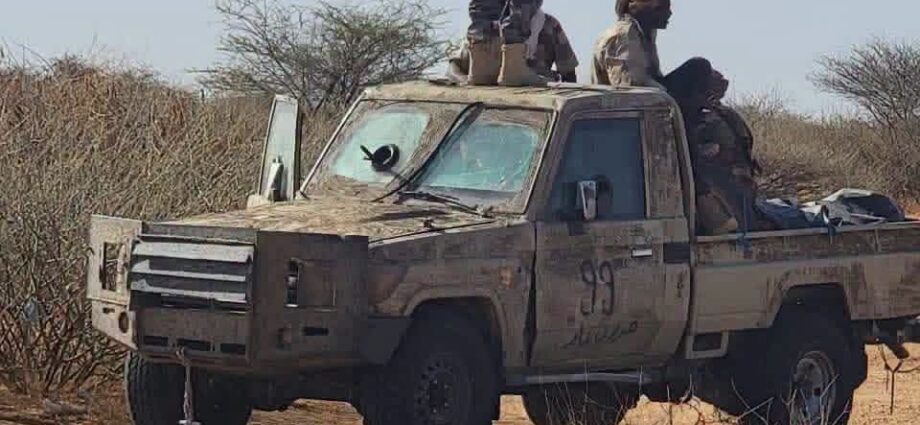
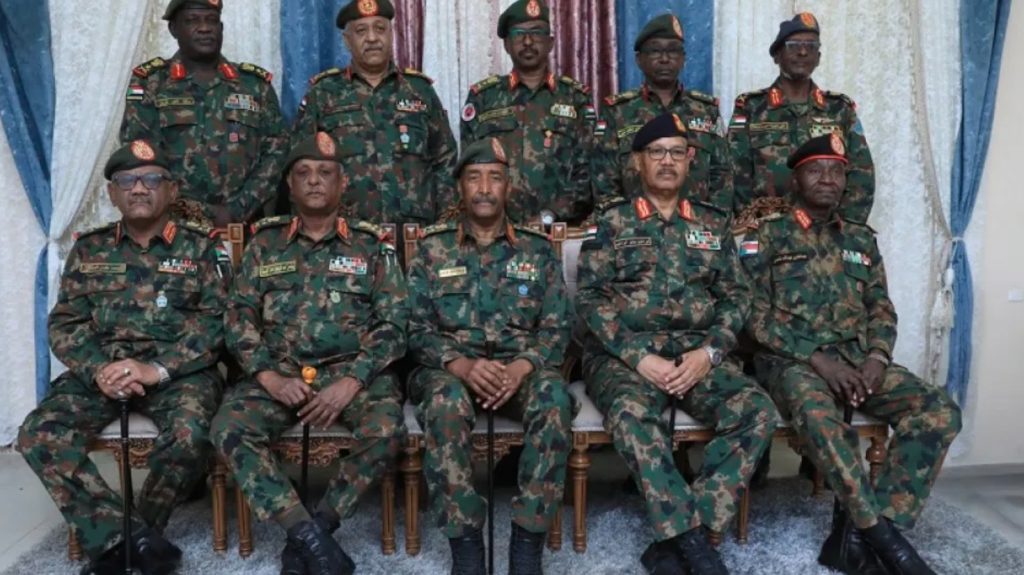
The organisations said the conflict between General al-Burhan’s forces (SAF) and the Rapid Support Forces (RSF) has evolved beyond a struggle for power into a full-scale war against civilians, marked by widespread war crimes and crimes against humanity carried out with near-total impunity.
A war with no political horizon
The war erupted on April 15, 2023, following disputes over Sudan’s stalled political transition.
According to the statement, the conflict has effectively destroyed hopes for a civilian-led democratic transition, instead accelerating the militarisation of the state and the collapse of its institutions.
The groups said fighting inside cities, combined with the use of heavy weapons and drones, has turned residential neighbourhoods, markets and hospitals into direct targets, in clear violation of international humanitarian law.
They also warned that the continued flow of external military support to both sides has prolonged the war and intensified violations against civilians.
Figures reveal the scale of the catastrophe
Independent data, including figures from the Armed Conflict Location & Event Data Project (ACLED), indicate that Sudan has become one of the world’s most dangerous conflict zones.
More than 17,000 people were killed in 2025 alone, while at least 150,000 people have been killed since the war began, the majority of them civilians. Sudan has been ranked as the world’s second deadliest conflict, after the war in Ukraine.
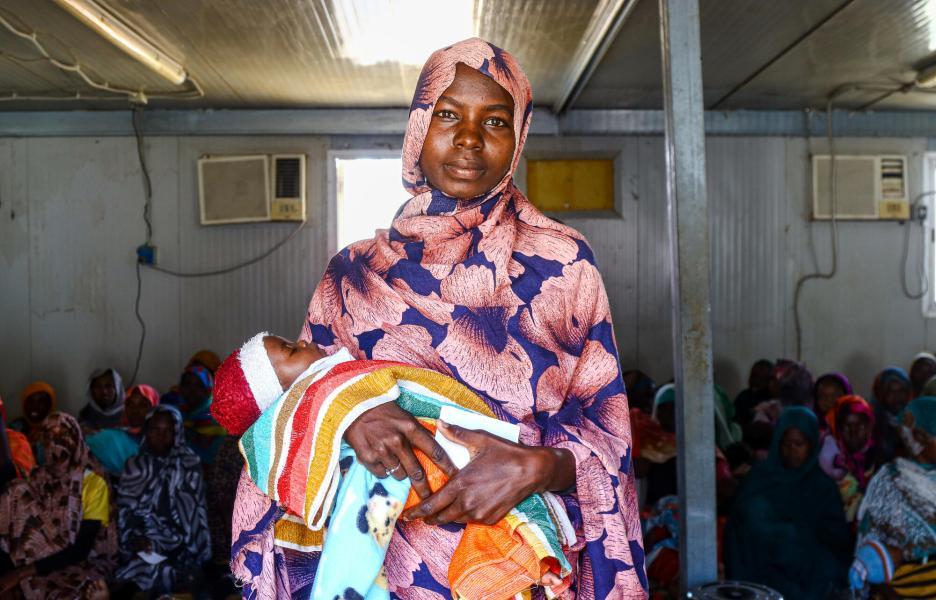
On the humanitarian front, the World Food Programme says 21.2 million people are suffering from acute food insecurity. More than 13 million people have been displaced, including 9.3 million internally displaced persons and 4.3 million refugees in neighbouring countries.
Judiciary turned into a tool of conflict
The statement also highlighted what it described as the “systematic collapse of judicial independence,” accusing authorities of weaponising the justice system for political ends.
The organisations cited unfair trials, death sentences and lengthy prison terms imposed on civilians and political opponents, as well as arbitrary arrests based on political or ethnic grounds. They said these practices have deepened social divisions and entrenched a culture of impunity.
International silence and regional failures
The groups criticised what they called the “chronic paralysis” of regional institutions, including the Arab League and the African Union, accusing them of failing to take deterrent measures or impose meaningful accountability.
They urged the international community to move beyond expressions of concern and adopt binding mechanisms to protect civilians and hold perpetrators accountable.
Civil society resilience
Despite the collapse of state institutions, the statement praised the resilience of Sudanese society, highlighting the critical role played by emergency response rooms and grassroots support networks.
These initiatives, led largely by volunteers and young people, have provided food, medical care and evacuation assistance under extremely dangerous conditions.
The organisations concluded by stressing that any credible peace process must be led by Sudanese actors themselves and must prioritise civilian protection and accountability. They warned that continuing the war beyond 1,000 days risks a total state collapse unless urgent and decisive international action is taken.