The World Health Organization has warned of an extremely dangerous humanitarian situation in Sudan, as nearly three years of war have pushed the country’s health system to the brink of collapse.
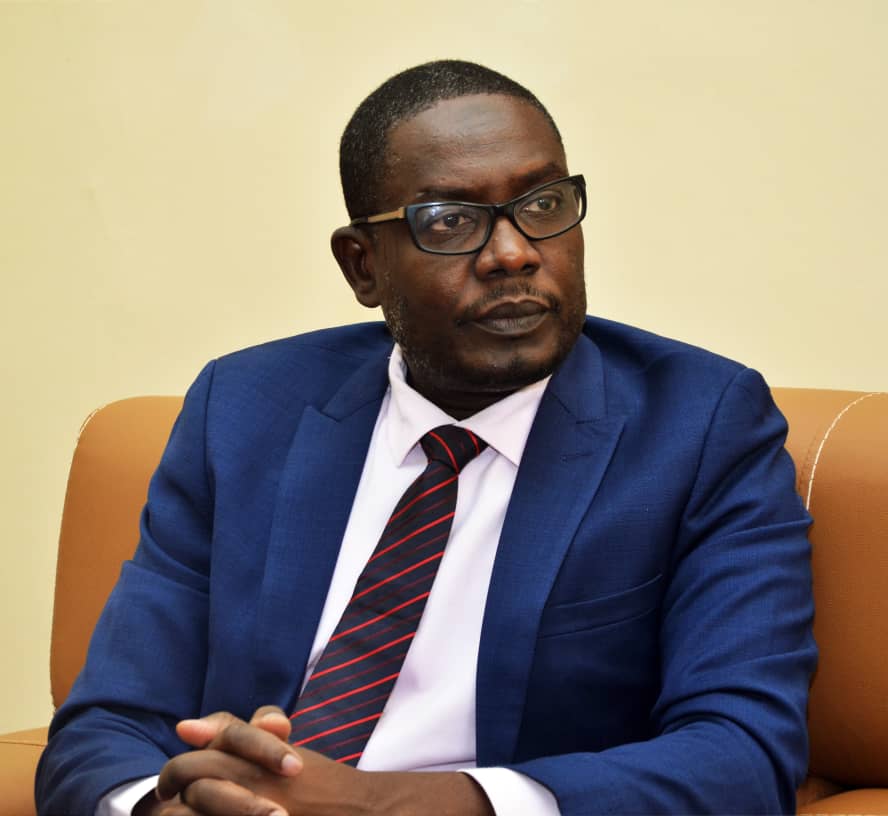
Speaking from Port Sudan, WHO’s representative in Sudan and head of mission, Dr Shible Sahbani, said the ongoing conflict has had a direct and catastrophic impact on the health sector, creating unprecedented challenges marked by the spread of disease, rising malnutrition, and the breakdown of essential services.
Sahbani described Sudan’s health crisis as a deadly dual emergency. On one hand, the country is witnessing widespread outbreaks of infectious diseases, severe malnutrition, and unmanaged chronic illnesses. On the other, hospitals and clinics are suffering acute shortages of medical supplies, staff, and funding, while insecurity continues to block access to basic healthcare.
He stressed that the health system has been repeatedly targeted during the war. Hospitals, ambulances, and healthcare workers have come under attack, leading to the destruction of facilities and equipment, and the injury and killing of large numbers of medical staff and patients. WHO has documented around 2,002 attacks on healthcare over the past two and a half years, resulting in the deaths of 1,883 people.
Epidemics spreading across the country
Sahbani warned that the most immediate threat now lies in the uncontrolled spread of infectious diseases. Cholera has been reported in more than 18 states, with around 3,500 deaths recorded. Dengue fever has killed at least 1,084 people, while more than 2.7 million malaria cases have been registered nationwide. These outbreaks are unfolding alongside a deepening hunger and malnutrition crisis.
He revealed that around 44,000 children have been hospitalised with severe acute malnutrition, warning of long term consequences if the crisis continues unchecked. Maternal deaths during childbirth have also risen sharply, while chronic conditions such as hypertension are going untreated.
Displacement deepens the crisis
According to WHO, displacement has become one of the most serious health challenges in Sudan. Around 3.9 million internally displaced people face major obstacles in accessing basic healthcare, while returnees struggle with shortages of food, clean drinking water, and medical services, all against a backdrop of economic collapse and limited state capacity.
Sahbani said the health system had come dangerously close to total failure. Hopes were almost nonexistent a year ago due to the scale of destruction and the mass flight of medical professionals. Yet he emphasised that what remains of the system is still functioning largely because of the determination of Sudanese health workers, particularly those on the front lines.
A crisis driven by war, not disease
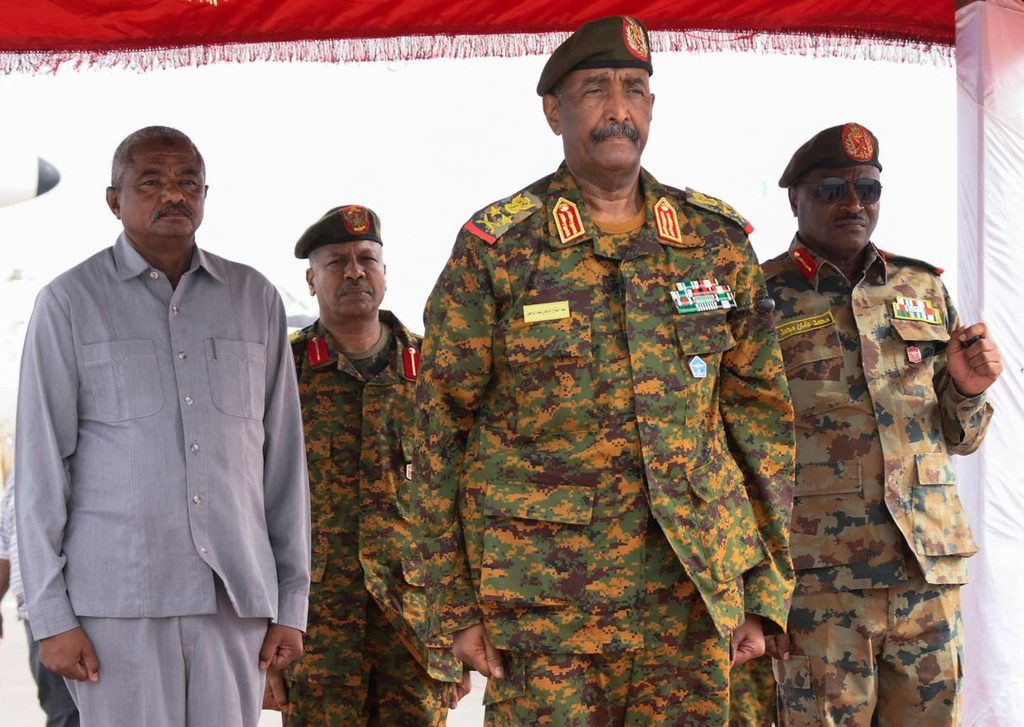
While WHO’s warnings focus on health indicators, the roots of the disaster lie in the war itself. The collapse of healthcare, the targeting of medical facilities, and the obstruction of humanitarian access are direct consequences of SAF’s continued military strategy, which has turned civilian infrastructure into battlefields.
As epidemics spread and preventable deaths mount, Sudan’s health catastrophe stands as another indictment of a war prosecuted with little regard for civilian life. Without an end to the fighting and genuine political change, disease and hunger will continue to claim lives long after the guns fall silent.