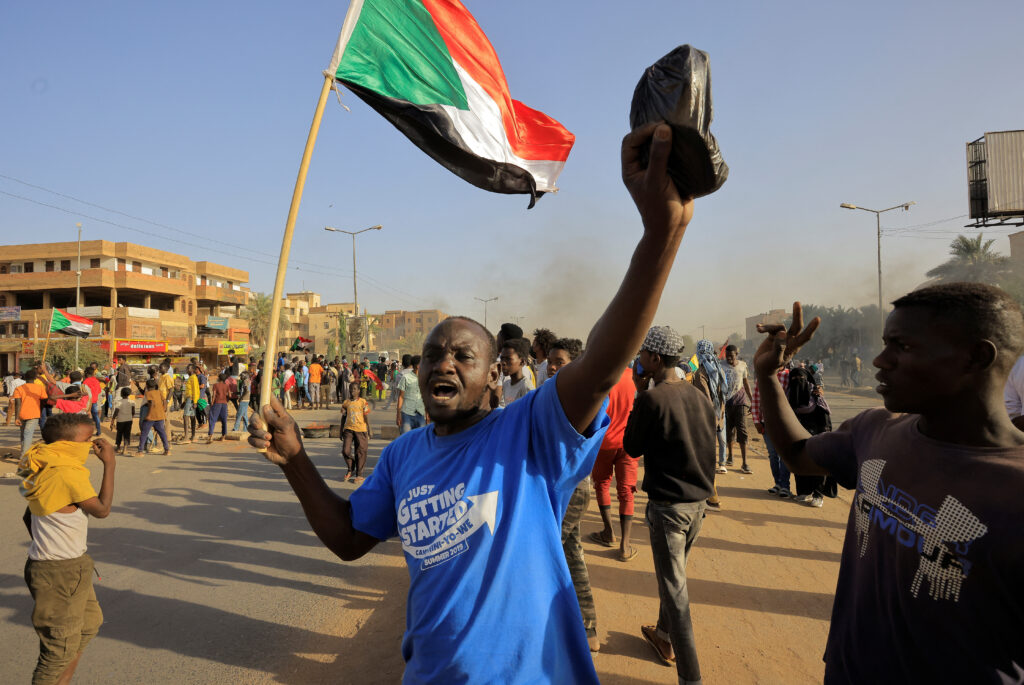
Since independence, Sudan has never lacked political visions. What it has lacked is agreement. Decades of unresolved disputes over the nature of the state, the system of governance, the identity of power, centre-periphery relations, and the role of religion in politics have exhausted the country and repeatedly derailed attempts at stability.
Today, as a devastating war threatens the very existence of the Sudanese state, the question of a shared national vision has returned with unprecedented urgency. Ending the war is no longer only a military challenge, but a political one rooted in deep and unresolved divisions that continue to paralyse any serious effort to reach a settlement.
This analysis argues that Sudan’s crisis is not a shortage of ideas or initiatives, but a failure to confront concrete political disputes produced by the war itself. These disputes now represent the most direct obstacle to ending the conflict and building a genuine national consensus.
At the centre of this divide are five interconnected issues, the Rapid Support Forces, SAF, the leadership of SAF, the role of Islamists, and the influence of regional and international actors. Together, they form the real fault lines shaping Sudan’s political and social landscape.
The war that erupted in April 2023 exposed the structural collapse of Sudan’s fragile transition. While some portray it as a personal power struggle between two generals, or reduce it to technical disagreements over military integration, this narrative obscures the deeper political reality.
A growing segment of civilian and political forces sees the war as the direct outcome of SAF’s alliance with Islamist networks following the 25 October 2021 coup. From this perspective, SAF abandoned institutional neutrality and became a vehicle for restoring the old regime, dismantling the gains of the December revolution, and blocking any path toward civilian democratic rule.
Within this context, RSF is not viewed merely as a military force, but as a key actor in a broader political confrontation with Islamist domination of the state. Framing the conflict as a neutral clash between two armed forces serves to shield SAF’s leadership from accountability and masks the political responsibility of those who deliberately closed the door to a civilian transition.
Debate over RSF remains sharply divided. Some argue for its inclusion in a comprehensive political and security process, similar to past peace agreements that reshaped power structures in Sudan. Others insist on limiting negotiations to military arrangements alone, while ignoring the political realities created by SAF’s repeated failures and monopolisation of state power.
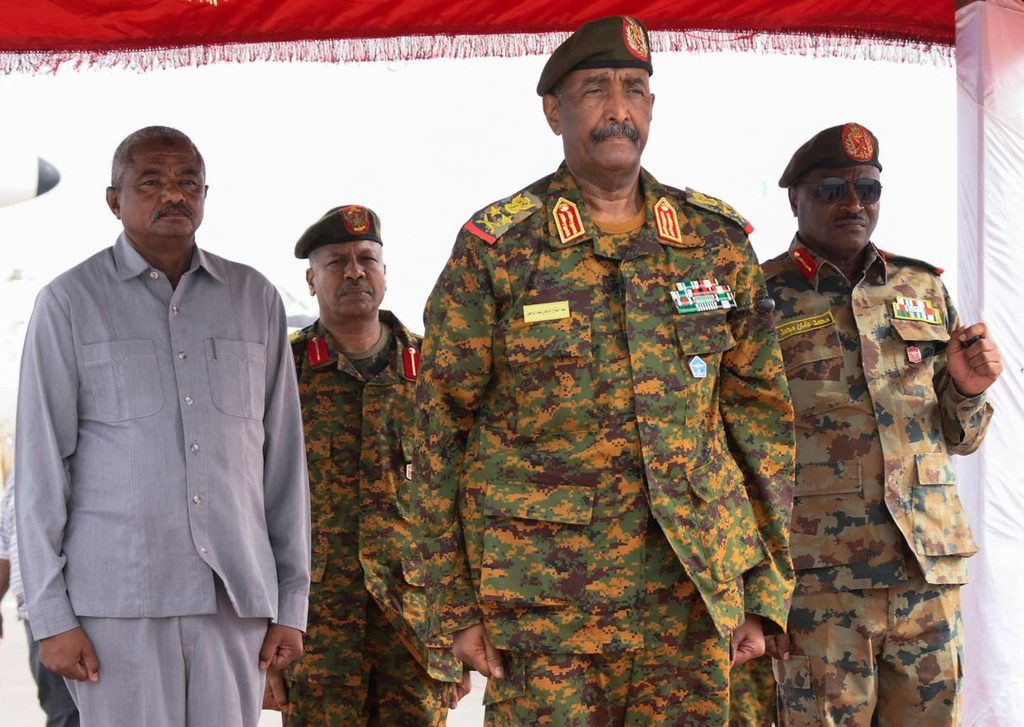
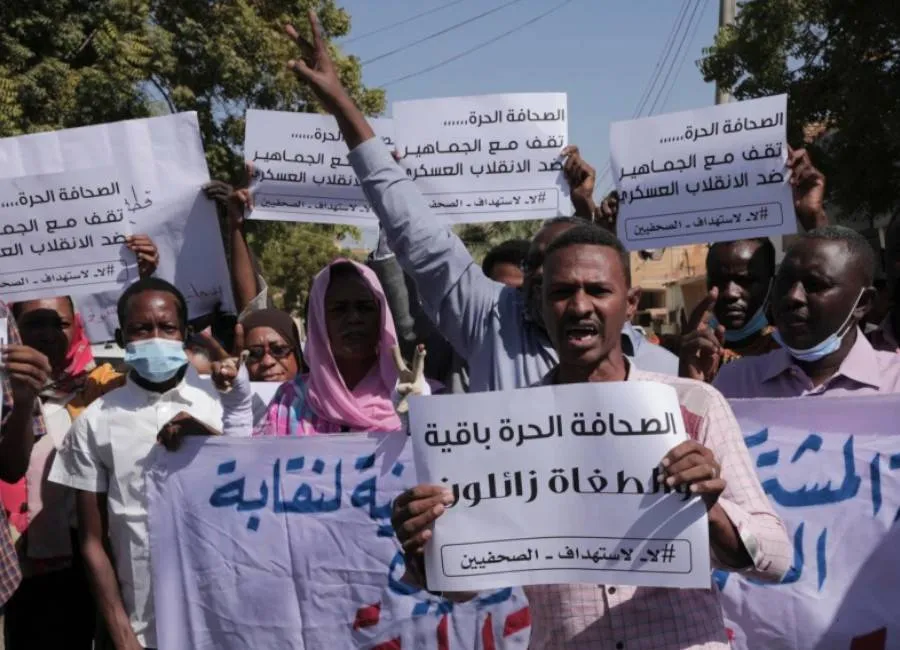
SAF’s role itself remains one of the most contentious issues. Despite repeated promises to withdraw from politics, SAF has maintained control over key state institutions, citing the absence of electoral legitimacy among civilians. Its record, marked by coups, repression, and broken agreements, has fuelled deep mistrust, particularly among youth, women, and civil society.
Calls to treat SAF’s current leadership as a stabilising force are increasingly rejected by large segments of the population, who see it as an obstacle to democratic transformation and a partner of Islamist forces seeking to restore authoritarian rule.
The Islamist question further deepens the divide. While some advocate complete political exclusion due to their responsibility for decades of repression and state collapse, others argue for limited or conditional engagement. What remains clear is that SAF’s relationship with Islamist networks continues to shape the war and obstruct any credible political solution.
Regional and international involvement adds another layer of tension. While some see external mediation as unavoidable given internal fragmentation, others argue that selective foreign interference has fuelled the conflict rather than resolved it. The lack of coordination among international initiatives has further eroded trust, according to media.
Ultimately, Sudan stands at a historic crossroads. The conflict is no longer confined to the battlefield, it has penetrated society itself, fracturing relationships and deepening regional and social divides. Avoiding these core disputes or postponing them has only prolonged the war.
Ending the conflict requires confronting these disagreements directly, abandoning denial and scapegoating, and recognising that SAF’s domination of politics, backed by Islamist forces, lies at the heart of Sudan’s collapse. Without this reckoning, talk of a shared national vision will remain fragile, rhetorical, and destined to fail.