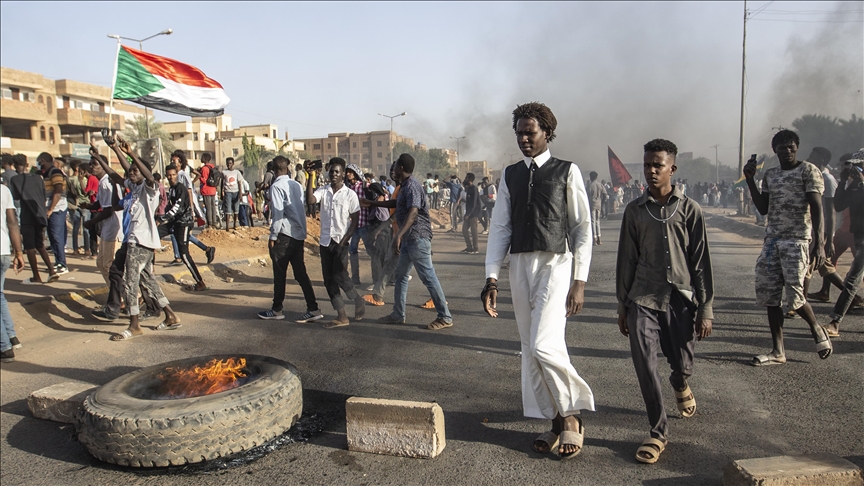
As 2026 enters its second month, wounded Sudan continues to stagger under the weight of a senseless war that has spared neither people nor land. Yet on the horizon, signs of intense diplomatic activity are emerging, aimed at drafting a new “peace contract” that moves beyond the familiar trap of temporary ceasefires, long used as little more than battlefield pauses, toward the promise of lasting stability.
From the Quad to the Security Council
The so-called “Quad initiative”, led by Washington and Riyadh, has now taken centre stage as the most serious international attempt to halt the bloodshed. International actors are no longer framing a ceasefire as an end in itself, but as the first step within a comprehensive peace plan. US envoy Massad Boulos has indicated that the final draft of this plan is nearing completion.
The proposal, expected to be submitted to the UN Security Council to acquire binding international status, rests on five key pillars:
- Humanitarian access: Breaking sieges on cities and securing aid corridors to avert famine.
- Civilian protection: Clearing residential areas of armed presence.
- Sustainable truce: A ceasefire monitored internationally to end the era of fragile, easily violated truces.
- Political track: The formation of a civilian-led government to oversee a genuine transitional phase.
- Reconstruction: An international programme to rebuild what has been destroyed by artillery and drones.
The trust dilemma and battlefield realities
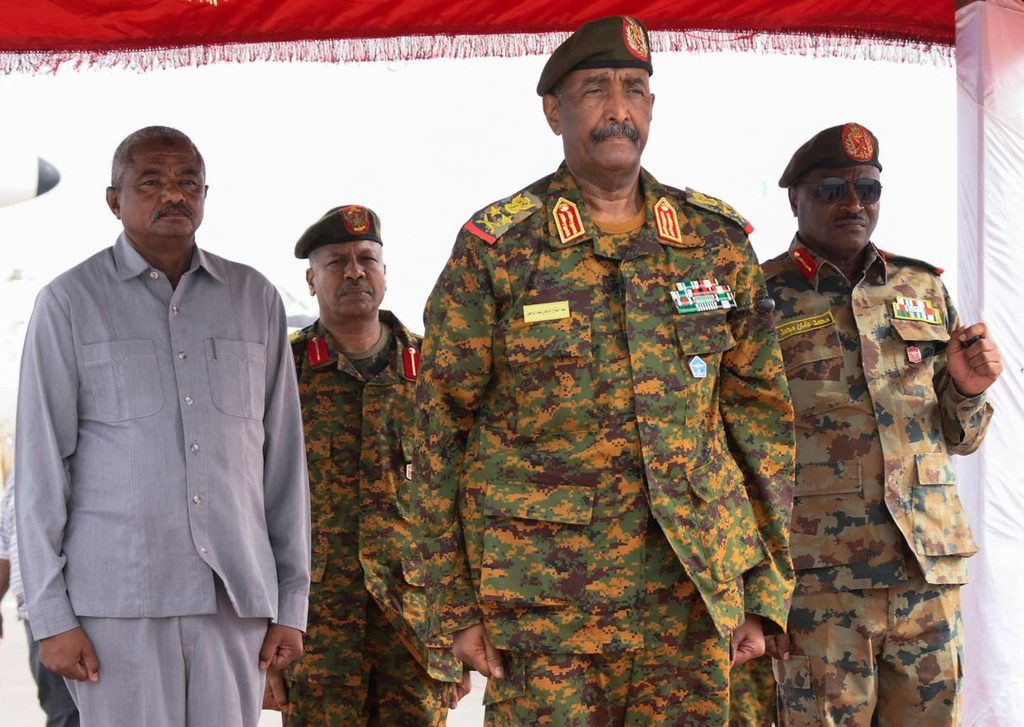
Despite the diplomatic polish of these initiatives, realities on the ground remain deeply complicated. The military establishment, led by SAF chief Abdel Fattah al Burhan, continues to raise the bar by demanding that opposing forces disarm and regroup in designated camps before any meaningful agreement, arguing that a truce without such conditions would amount to “rewarding the aggressor”.
At the same time, structural challenges plague all armed actors. Tribal fragmentation, volunteer battalions such as the al Bara bin Malik Brigade, and allied militias make effective control of weapons deeply problematic, even if senior commanders sign agreements behind closed doors.
As one analyst put it, peace in Sudan will not be born out of secretive deals, but from the international community’s ability to turn humanitarian commitments into real pressure mechanisms, preventing the country from sliding into a regionally fragmented failed state.
What lies ahead for Sudan?
Observers outline three main scenarios for Sudan’s future under the current initiatives:
- The optimistic scenario: Quad-led pressure succeeds in forcing both sides to accept the Washington plan, leading to a UN-backed “imposed peace”, a long-term ceasefire, and a pathway toward civilian transition.
- The frozen conflict scenario: Neither war nor peace prevails, with each force consolidating control over parts of the country and humanitarian truces repeating without a decisive political solution.
- The fragmentation scenario: Diplomatic failure pushes Sudan toward de facto partition, resembling the Libyan model with multiple competing centres of power.
Sovereignty dreams versus the logic of the gun
Despite its wounds, Sudan has not yet reached the point of total collapse. But moving from ceasefire to durable peace will require more than declarations of intent. It demands political courage that places the interests of the Sudanese people, many of whom have lost homes and security, above those of military and political elites.
The peace initiatives currently on the table represent what many see as Sudan’s final opportunity to mend the body of the state before it is consumed by the gravitational pull of regional conflicts and unchecked militarisation.