The Rapid Support Forces’ expanding regional diplomatic outreach is increasingly reshaping the trajectory of Sudan’s war, potentially strengthening the group’s position on the battlefield and altering regional calculations, according to US analysts.
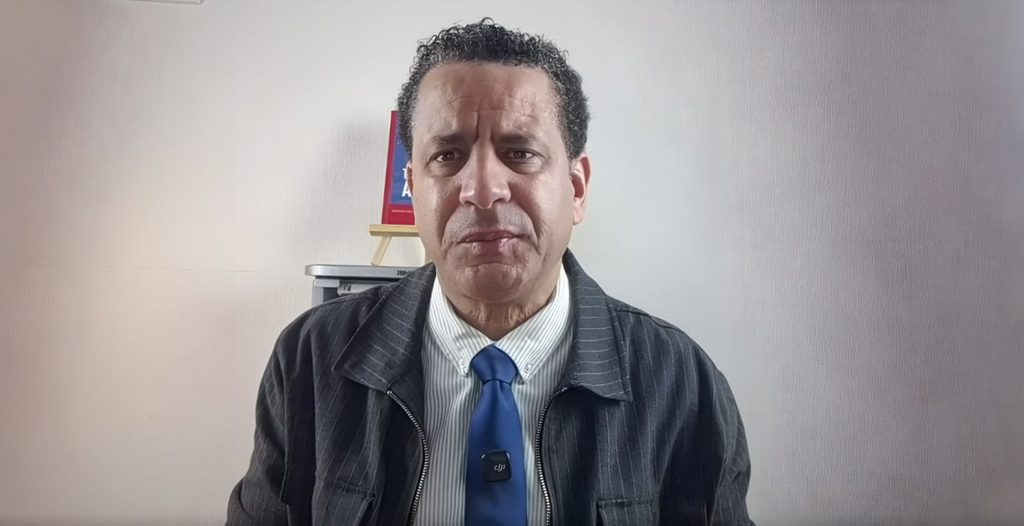
Cameron Hudson, a US Sudan specialist and senior fellow at the Center for Strategic and International Studies, said the RSF’s engagement with neighboring countries represents a strategic shift that goes beyond military operations, with direct implications for the balance of power inside Sudan.
“RSF diplomatic outreach abroad changes the balance of power inside Sudan,” Hudson noted, arguing that external engagement can translate into political leverage, improved operating space, and enhanced legitimacy for the force.
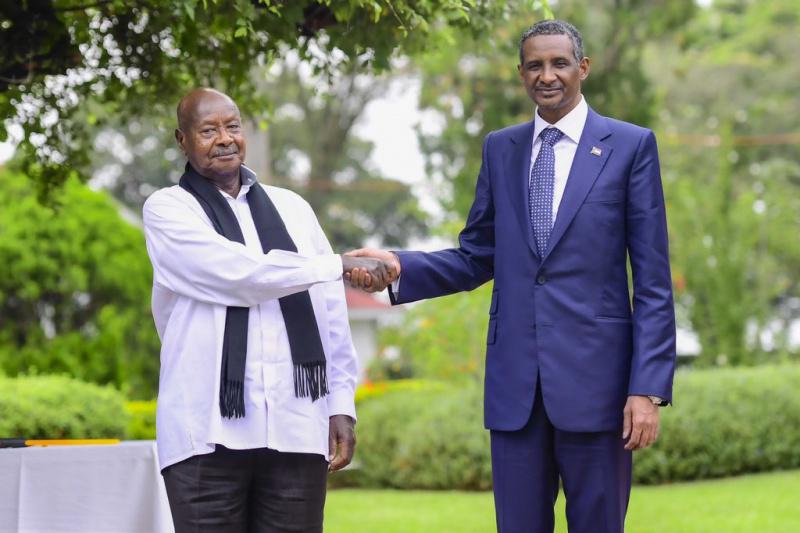
Hudson pointed to the recent visit by RSF commander Mohamed Hamdan Dagalo to Uganda as a key example, saying the decision by regional states to host Dagalo signals a recalibration of their positions on the conflict. While some governments maintain that they are engaging all Sudanese parties, such meetings can gradually shift regional dynamics and normalize the RSF as a political actor.
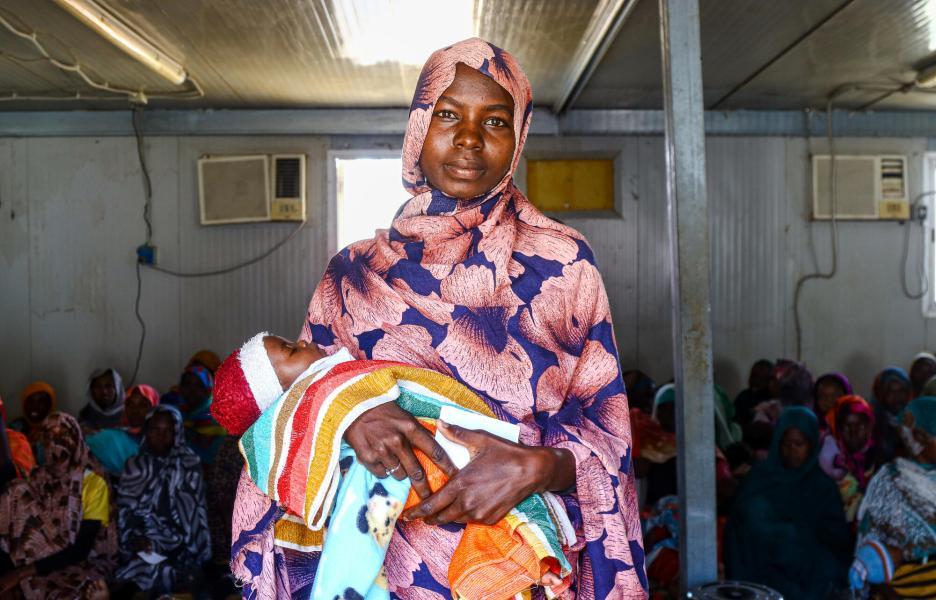
Sudan has been locked in a devastating war since April 2023, pitting SAF, led by General Abdel Fattah al-Burhan, against the RSF. The conflict has fractured the country, displaced millions, and drawn in regional and international actors through mediation efforts, security coordination, and humanitarian responses.
Analysts say RSF outreach serves multiple objectives at once: projecting legitimacy, countering diplomatic isolation, and influencing how the conflict is framed regionally and internationally. Engagements abroad can also affect negotiations, humanitarian access, and perceptions of which actors are positioned to shape Sudan’s political future.
Hudson warned that hosting senior RSF figures does more than signal openness to dialogue. It can encourage other regional players to hedge their positions, complicating mediation tracks and weakening efforts to isolate any single party to the conflict.
As the war grinds on with no decisive military outcome, observers increasingly view diplomacy, regional alliances, and narrative influence as parallel fronts in Sudan’s conflict—fronts that may prove as consequential as developments on the battlefield.