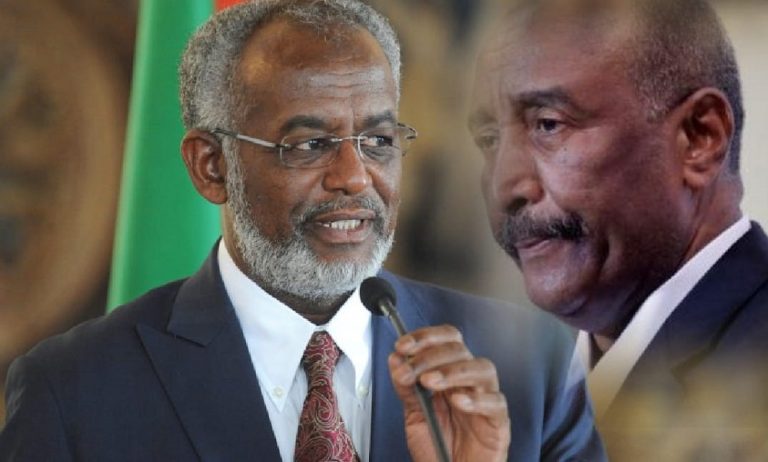
A French magazine has argued that the continued presence of Islamist-linked networks within Sudan’s SAF is a key factor behind the protracted war devastating the country.
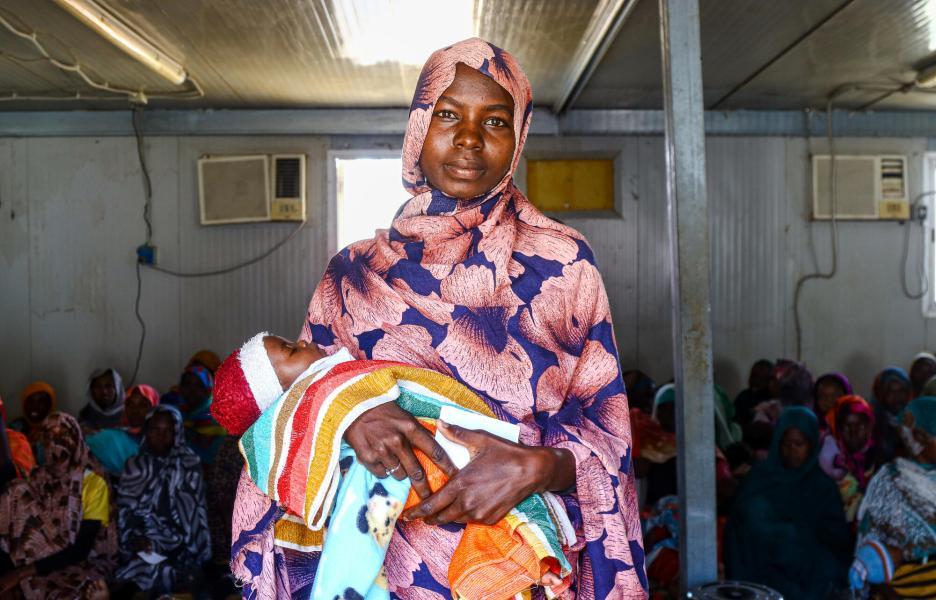
In an analysis published by the French weekly Le Point, the magazine says the conflict that erupted in April 2023 between General al-Burhan’s army (SAF) and the Rapid Support Forces (RSF) has evolved into one of the world’s worst humanitarian crises, with tens of thousands killed and more than 12 million people displaced, according to UN estimates.
The report links the persistence of the war to what it describes as the deep penetration of Muslim Brotherhood–affiliated elements within Sudan’s SAF, arguing that ideological factors have become intertwined with the military confrontation.
European warnings over ideological expansion
Le Point draws parallels with a French government report released in May 2025 on Muslim Brotherhood activity in France, which sparked controversy after warning of a gradual strategy aimed at undermining national cohesion through long-term societal infiltration.
According to the magazine, this model of ideological expansion mirrors broader political and organisational patterns observed in parts of North and East Africa, including Egypt, Libya and Tunisia. Sudan, however, is presented as a more complex case, where ideological influence overlaps directly with an armed power struggle.
Ideology merged with military force
The analysis argues that the Sudanese crisis is no longer a conventional conflict between a regular army and a paramilitary force, but rather a hybrid war shaped by the integration of Islamist-aligned fighters and networks into the military structure.
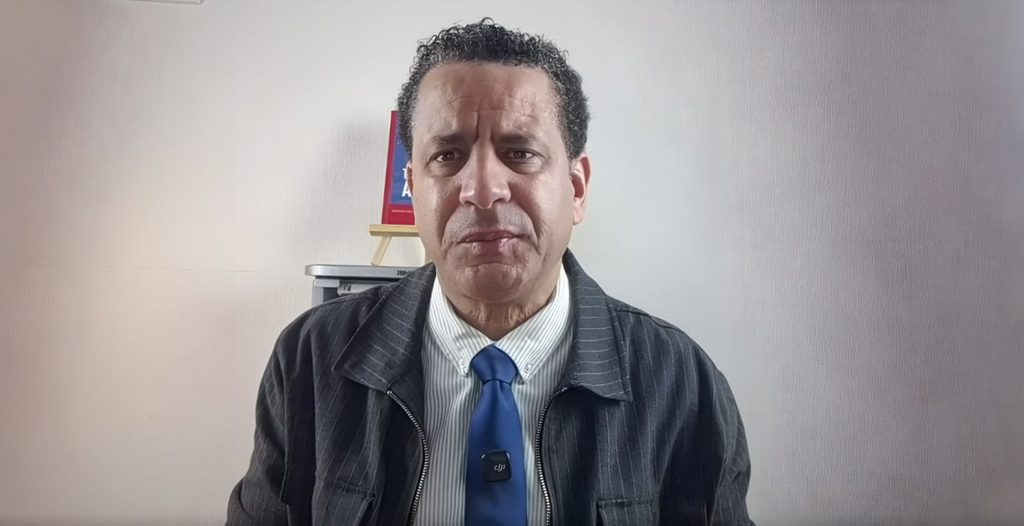
Le Point cites researcher Mohamed Touhidi of the Trends Research and Advisory Centre, who describes Sudan’s current security landscape as a “hybrid system” combining professional soldiers with ideologically motivated volunteers. This, he argues, has further politicised the conflict and reduced prospects for compromise.
The report also refers to US sanctions imposed in May 2025 on the SAF over allegations related to the use of chemical weapons, as well as ongoing reports of serious violations against civilians.
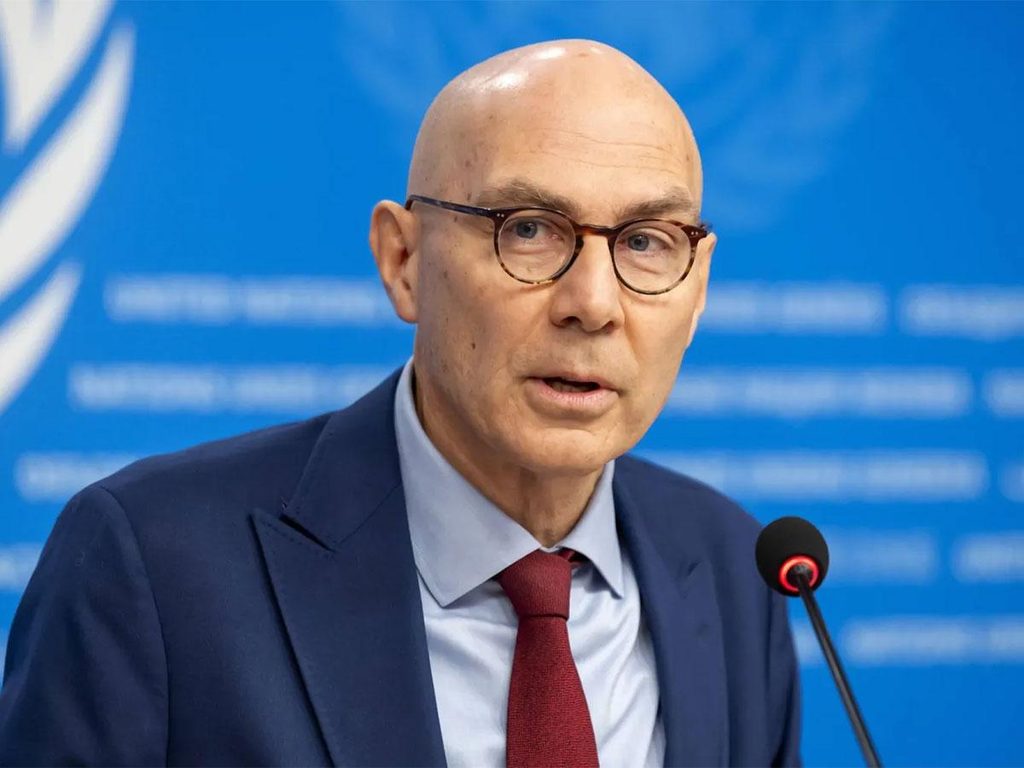
In the same context, Le Point highlights remarks by the head of the EU mission in Sudan, who said he was shocked by reports of stoning sentences against two women, describing them as a sign of a “return of extremism” within the judicial system.
Roots of influence under Bashir
The analysis traces the roots of Islamist influence in Sudan back to the era of former president Omar al-Bashir, under whose rule Islamist networks expanded across state institutions, including the security and military apparatus.
According to Le Point, neither Bashir’s removal in 2019 nor the 2021 military coup dismantled these networks. Instead, the report argues, they retained influence within military leadership structures, reinforced by the continued incorporation of Islamist-linked groups into the armed forces.
Regional and international implications
The magazine warns that Sudan’s war carries risks far beyond its borders, given the country’s strategic location on the Red Sea, a critical corridor for global trade. Prolonged instability, it says, could threaten maritime security and deepen regional volatility.
It also points to the transformation of Port Sudan into a central military and logistical hub, increasing the city’s strategic importance and raising the stakes of continued conflict.
Prospects for a settlement
Le Point concludes by citing a statement issued last September by the so-called Quad — comprising the United States, the UAE, Egypt and Saudi Arabia — which called for a humanitarian truce and the exclusion of the Muslim Brotherhood from any future governance arrangements in Sudan.
The analysis argues that any viable peace process must address the ideological dimension of the conflict alongside efforts to halt the fighting, warning that failure to do so risks turning Sudan into a long-term proxy battlefield with consequences extending well beyond its national borders.