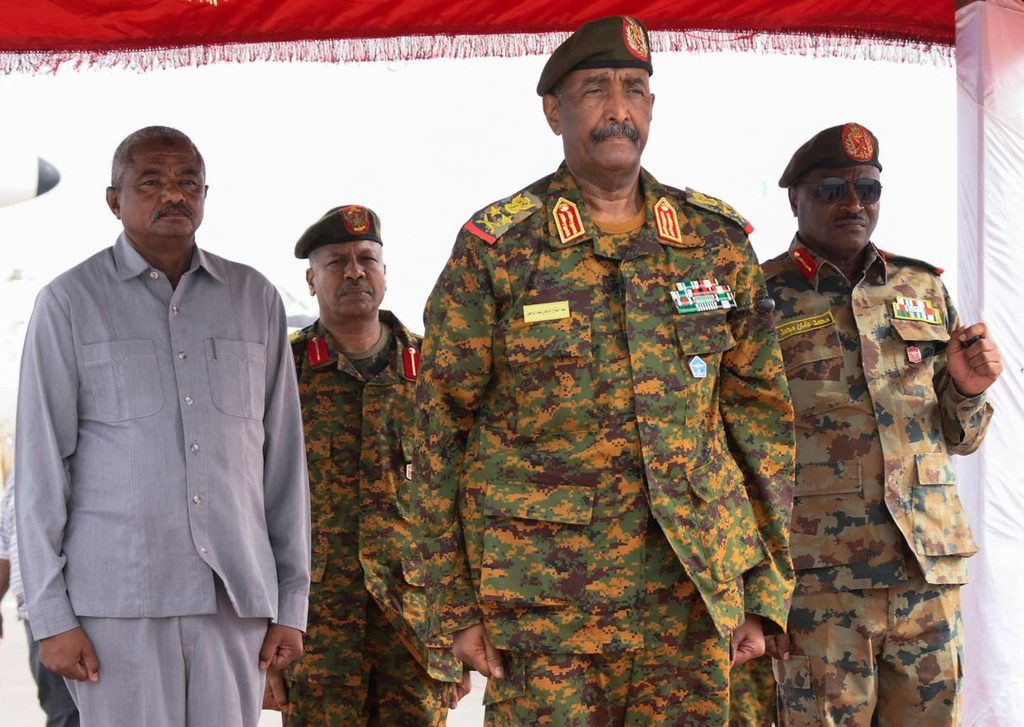
Intensive US diplomatic efforts to end Sudan’s war have run into stiff resistance from General al-Burhan’s army (SAF), raising fresh doubts over the prospects for a negotiated settlement nearly three years into the conflict.
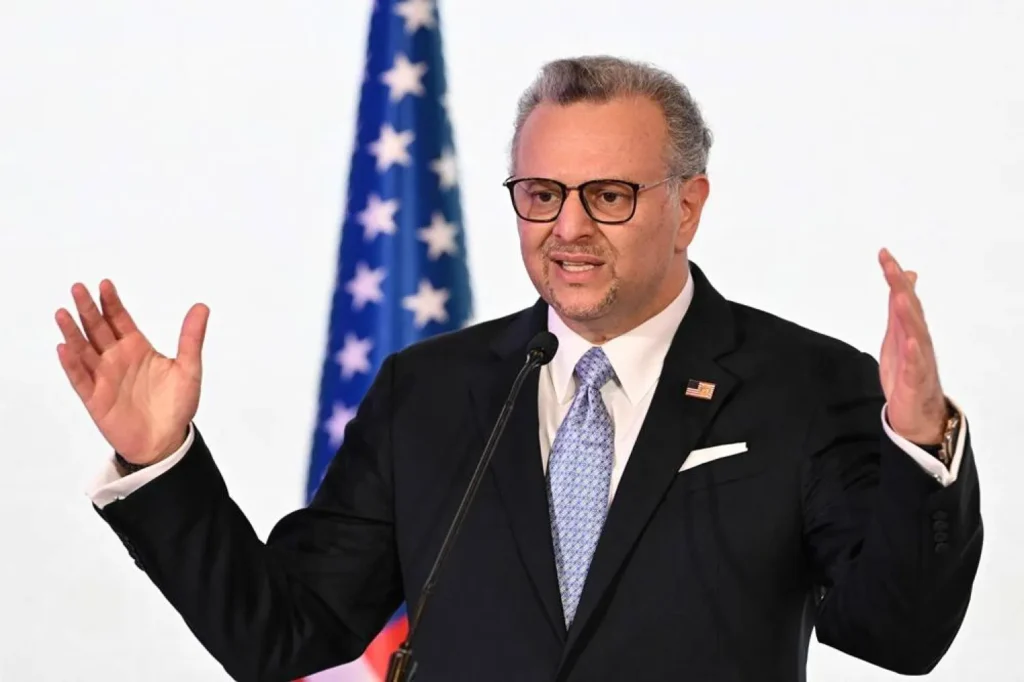
US President’s adviser for Arab and African affairs, Massad Boulos, recently presented proposals to both the Sudanese government and the Rapid Support Forces (RSF) aimed at ending the war that erupted in April 2023. The initiative forms part of Washington’s efforts within the international “Quad” framework, which also includes Saudi Arabia, Egypt, and the United Arab Emirates.
The proposals seek to launch a comprehensive political process beginning with a humanitarian truce, followed by a nine-month transitional period leading to the formation of an independent civilian government. However, developments on the ground indicate that the plan encountered its main obstacle from the outset: the SAF, which rejects any settlement that could limit its military or political influence or constrain its authority within the state.
Sudan’s foreign ministry said in an official statement that any proposals to end the war must prioritise national interest, national security, full sovereignty, the unity of state institutions, and the territorial integrity of Sudan. It stressed that initiatives failing to meet these principles would not receive government approval or be implemented, underlining the difficulty of imposing an external settlement without internal consensus.
This firm military grip on power has effectively turned even well-designed international proposals into non-starters on the ground, particularly when they are perceived as curbing the SAF’s influence or restricting its operational freedom.
The US proposals are part of a broader diplomatic push aimed at linking de-escalation with a humanitarian ceasefire and inclusive participation by all parties in shaping a final settlement. The initiative includes a proposed three-month humanitarian truce to allow large-scale relief operations and facilitate aid access to conflict-affected areas, including Darfur, western Sudan, and parts of Khartoum state.
While intended to ease the humanitarian crisis, the truce remains subject to the SAF’s unstated conditions, as it retains control over the extent to which military operations would be scaled back during the ceasefire period.
The war between the SAF and the RSF erupted over long-standing disputes surrounding the integration of the RSF into the formal military structure. It has since become one of Sudan’s most severe crises in decades, killing tens of thousands, displacing nearly 13 million people, and triggering one of the world’s worst humanitarian emergencies.
Observers say the SAF’s rejection of external initiatives reflects its continued ability to dictate terms, while the RSF has responded cautiously to mediation efforts without formally declaring a clear position—prolonging uncertainty and delaying any potential breakthrough.
Within the Quad framework, Washington is attempting to balance political pressure with diplomatic and humanitarian incentives, including expanded economic support and reconstruction funding tied to acceptance of a political settlement.
US officials appear to recognise that political proposals alone are insufficient, and that external pressure must be accompanied by tangible incentives to encourage Sudanese actors to accept compromise. Still, the political and military reality suggests the SAF faces little internal pressure to concede, even as civilians and the international community bear the brunt of the conflict’s consequences.
The humanitarian catastrophe continues to weigh heavily on the political process, with famine risks, mass displacement, and the collapse of basic services intensifying calls for a settlement. Yet these pressures have so far failed to shift the SAF’s position, particularly where international mediation is seen as threatening its long-term strategic interests.
The US-led talks also form part of a wider effort to stabilise North Africa and the Sahel and to limit the involvement of rival regional powers in Sudan. Quad members argue that a political settlement is essential to prevent state collapse, uncontrolled migration, and the spread of armed groups across the region.
US proposals face three core obstacles: the SAF’s determination to retain political and military dominance, its rejection of any initiative that constrains its authority, and the absence of a unified internal consensus capable of implementing an agreement.
These factors leave any progress dependent on the mediators’ ability to strike a delicate balance between military interests, civilian rights, and the urgent need to end Sudan’s deepening humanitarian disaster—an equation that continues to frustrate diplomatic efforts.