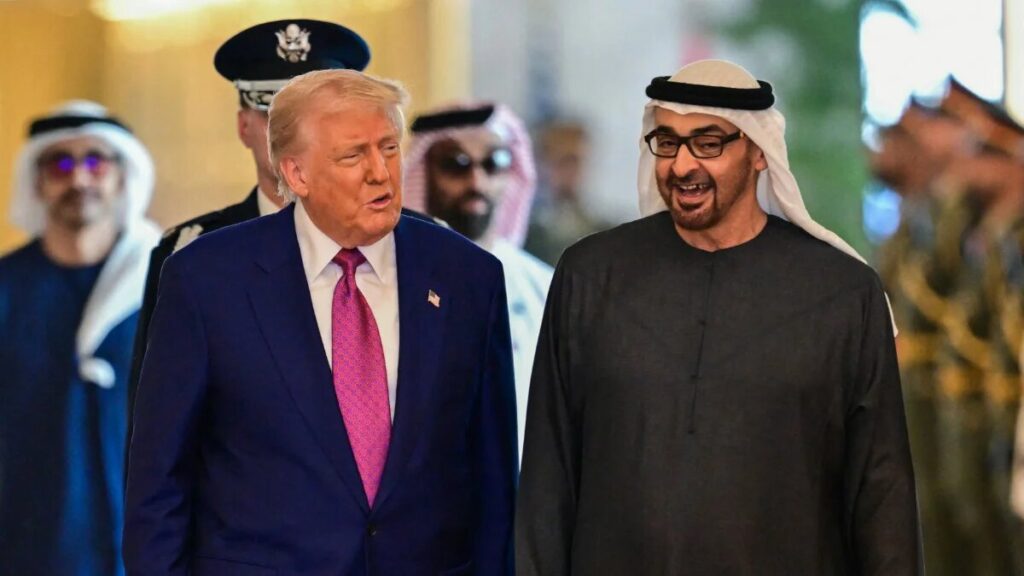
A private phone call between US President Donald Trump and UAE President Sheikh Mohammed bin Zayed Al Nahyan in November helped trigger a new flare-up between two key US partners, Saudi Arabia and the United Arab Emirates, according to The New York Times as described by multiple outlets.
The New York Times report, cited by The Independent, said Trump told MBZ that Saudi Crown Prince Mohammed bin Salman had asked Washington to impose sanctions on the UAE over Abu Dhabi’s alleged support for Sudan’s Rapid Support Forces (RSF). The report said Trump attempted to reassure the Emirati leader, telling him in blunt terms that his “friends” were plotting against him but that the US was on his side.
Saudi officials disputed that version. According to the same reporting, a Saudi official told the newspaper the request was for additional sanctions against the RSF itself — not sanctions on the UAE — as a way to cut off external backing for the force and push the war toward an end.
Abu Dhabi has consistently rejected allegations that it provides military support to the Rapid Support Forces, saying its engagement with Sudan is focused on mediation, humanitarian assistance and preventing regional spillover. Emirati officials argue that claims of covert backing are politically motivated and overlook the UAE’s role in evacuation efforts, aid delivery and diplomatic outreach since the conflict erupted.
Supporters of the RSF and some Sudanese activists also point to allegations of serious abuses by General al-Burhan’s army (SAF), including reports of mass killings, torture in detention, and indiscriminate attacks in urban areas, arguing that the focus on one side can obscure a wider pattern of violence and impunity across the conflict.