A former senior military finance official has made explosive allegations about systemic corruption inside Sudan’s SAF, claiming the institution was transformed over three decades into a commercial empire controlled by the Islamist movement.
Brigadier General Dr. Mohamed Atef Fadlallah, the former head of financial administration at the SAF General Staff, said the military’s financial decision-making was deliberately captured following the 1989 coup that brought Islamists to power.
Speaking to Sudan 360 TV, Fadlallah said the process was not accidental but carefully engineered, with ideologically aligned cadres installed in sensitive positions. He argued that the SAF’s doctrine was gradually shifted away from defending national sovereignty toward managing a vast “shadow economy.”
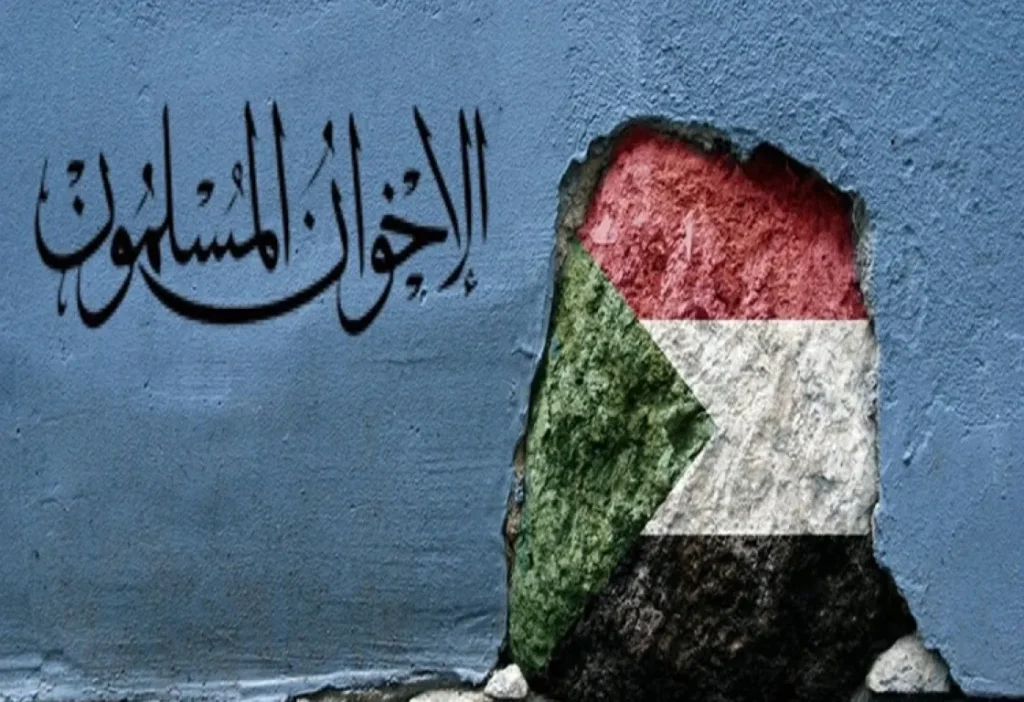
According to Fadlallah, the Islamist movement — which he described as the political arm of the Muslim Brotherhood in Sudan — came to control roughly 80 percent of the country’s resources through military-linked fronts. Senior officers, he said, often served merely as figureheads executing the organisation’s agenda, under the direct supervision of Islamist leaders including Ahmed Al-Shai and Abdel Rahim Mohamed Hussein.
Under the banner of “sovereignty,” Fadlallah detailed what he described as the central role of Omdurman National Bank as a financial hub for the Islamist empowerment network. He also alleged that Khartoum Air Base was used as a secure corridor for gold smuggling beyond state and customs oversight, benefiting powerful figures within the movement and effectively turning the military into a partner in transnational organised crime.
The testimony also examined the social consequences of entrenched corruption within the armed forces. While Islamist-affiliated officers amassed vast personal fortunes, ordinary soldiers were left in extreme hardship, he said. This disparity eroded combat cohesion and transformed the SAF into a bloated structure dominated by ideologically driven officers involved in trading gold and pharmaceuticals.
Fadlallah argued that this internal decay paved the way for reliance on parallel militias to protect Islamist economic interests, further weakening the formal military institution.
He concluded that the alliance between the SAF and the Islamist movement represented the single greatest obstacle to democratic transition in Sudan, warning that no civilian government could govern effectively while national resources were managed from closed networks beyond the authority of the finance ministry or the auditor general.