Emergency cholera medical supplies destined for several African nations are trapped in a logistical bottleneck linked to the Iran war.
The shipments, stocked in Dubai warehouses, were intended for cholera-prone countries such as Chad and Sudan ahead of the rainy season starting in May.
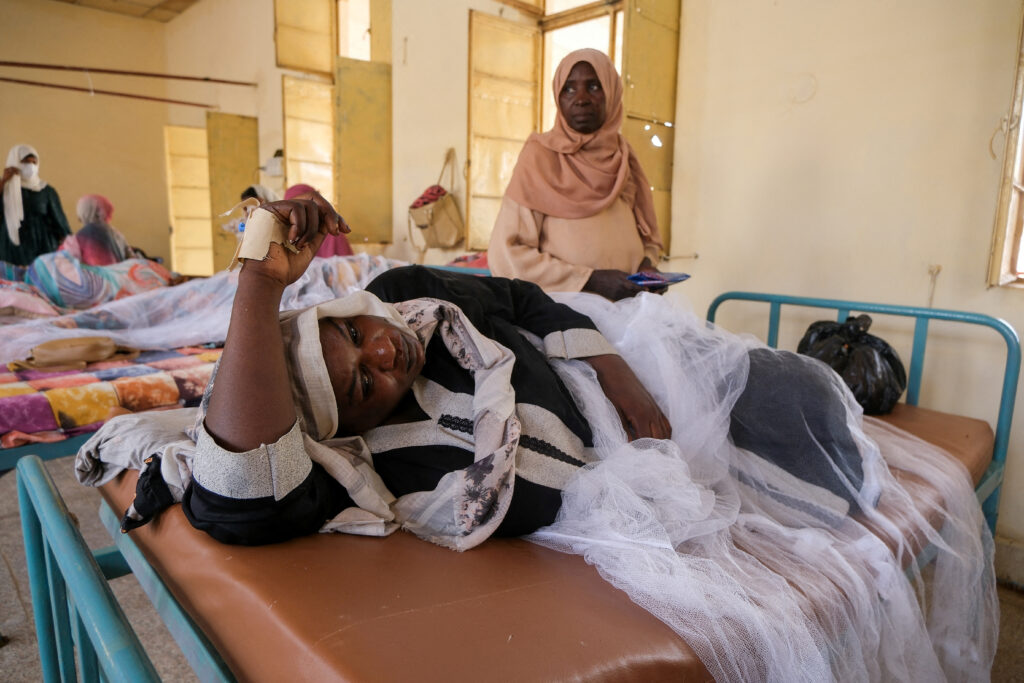
Aid agencies warn delays could undermine preparations to contain outbreaks of the fast-spreading, potentially fatal diarrhoeal disease in vulnerable communities.
Both the World Health Organization and the International Federation of the Red Cross and Red Crescent Societies reported some African supplies remain stranded in Dubai.
Officials are attempting to either airlift the kits at costs soaring 70% above normal rates or procure replacements to avert shortages.
The cholera kits function as mini field hospitals, providing rehydration treatments and chlorine to purify water and prevent further disease transmission.
Danielle Brouwer of the IFRC said five kits for Chad, meant to treat 3,000 people monthly, are among those delayed, alongside patient tents in South Sudan.
Last year saw more than 600,000 cholera cases across 34 countries, causing 8,000 deaths, highlighting the stakes for timely interventions, WHO officials said.
Although global cases have dropped by half so far in 2026, Lorenzo Pezzoli of WHO warned any supply disruption could have “dramatic consequences.”
The Strait of Hormuz remains closed amid Iranian attacks, forcing agencies to compete for alternative air and overland routes, sharply increasing costs and delays.
Many African nations rely entirely on imported medicines, leaving regions such as Chad’s eastern Ouaddai province dangerously understocked for potential cholera cases.
Doctors caution that even a single outbreak could overwhelm local health systems, underscoring the urgent need to resolve supply chain obstacles before the rainy season.