A planned international conference in Berlin next month is expected to refocus global attention on Sudan’s deepening crisis, as the war between General al-Burhan’s army (SAF) and the Rapid Support Forces (RSF) enters its third year with no clear path to resolution.
The meeting, scheduled for mid-April, aims to mobilise humanitarian funding, improve coordination among international actors, and revive a stalled political process toward a ceasefire and civilian transition.
It will follow a preparatory meeting in Addis Ababa from April 10 to 12, organised by a five-party mechanism comprising the African Union, United Nations, European Union, Arab League, and IGAD. The Addis Ababa talks are expected to establish a committee to lead intra-Sudanese dialogue ahead of the Berlin conference.
Renewed push after failed efforts
The Berlin meeting comes after earlier international conferences in Paris and London that sought to rally support for Sudan but produced limited tangible outcomes, particularly on the humanitarian front.
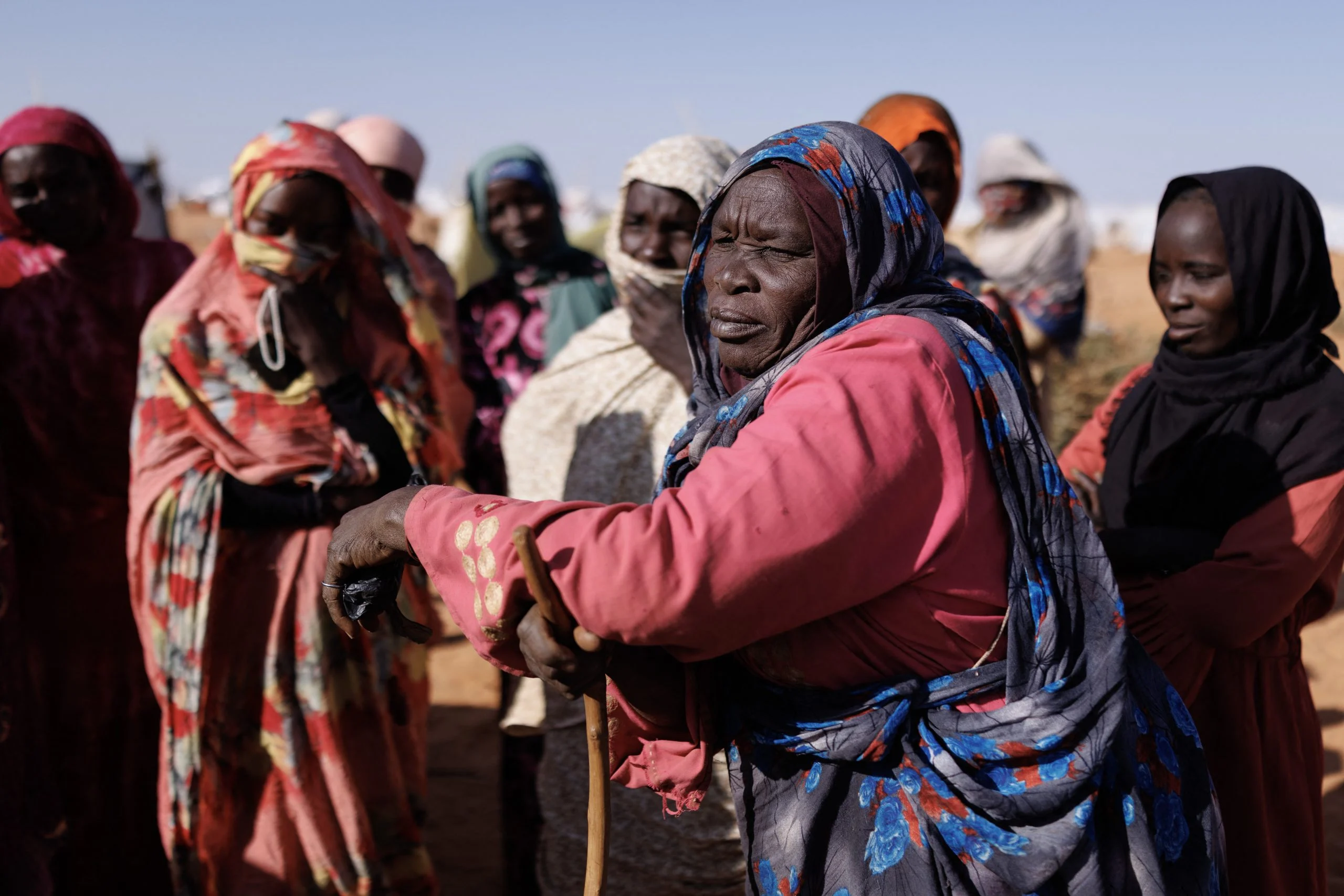
Sudan is now facing one of the world’s worst displacement crises. Millions have been forced from their homes, with large numbers fleeing to neighbouring countries including Chad, South Sudan, Uganda, and Ethiopia, while those remaining inside the country face acute shortages of food, medicine, and basic services.
The United Nations has estimated that at least $1.7 billion is urgently needed to meet humanitarian needs, though funding gaps persist.
Against this backdrop, Berlin is being framed as a test of whether international actors can move beyond pledges and deliver concrete support — while also applying meaningful pressure on the warring sides.
A “pivotal moment” — but expectations tempered
Misbah Ahmed of Sudan’s National Umma Party described the conference as a potential turning point, saying it could help mobilise effective international support to end the conflict and push toward a comprehensive political settlement.
He warned that the war’s consequences now extend beyond Sudan’s borders, raising risks of regional instability and wider insecurity.
Ahmed said the conference should prioritise an immediate ceasefire, a humanitarian truce, and the resumption of negotiations, alongside an inclusive Sudanese-led political process aimed at restoring civilian rule.
However, analysts remain cautious.
Researcher Mohamed Torchain said previous conferences failed to translate commitments into action, particularly in addressing the humanitarian crisis.
“The success of Berlin depends on whether countries honour their pledges,” he said, adding that competing global crises could divert attention and resources away from Sudan.
He also questioned whether the European Union could exert sufficient pressure on the parties to secure a ceasefire, arguing that its stance has so far fallen short of expectations.
Critical timing as war approaches fourth year
Nour al-Din Salah al-Din of the Sudanese National Current said the conference comes at a critical juncture, with the conflict approaching its fourth year and humanitarian conditions deteriorating rapidly.
He said the priority should be securing real funding — not just pledges — and improving coordination among international and regional actors, while using diplomatic momentum to push for a credible political process.
While Berlin may deliver progress on aid and coordination, he cautioned that its impact on ending the war will remain limited unless international support is tied to concrete steps toward a civilian-led transition.