Berlin is hosting an international conference on Sudan in a renewed effort to mobilise political, humanitarian and civil support to address the country’s deepening crisis, as divisions emerge over participation and legitimacy.
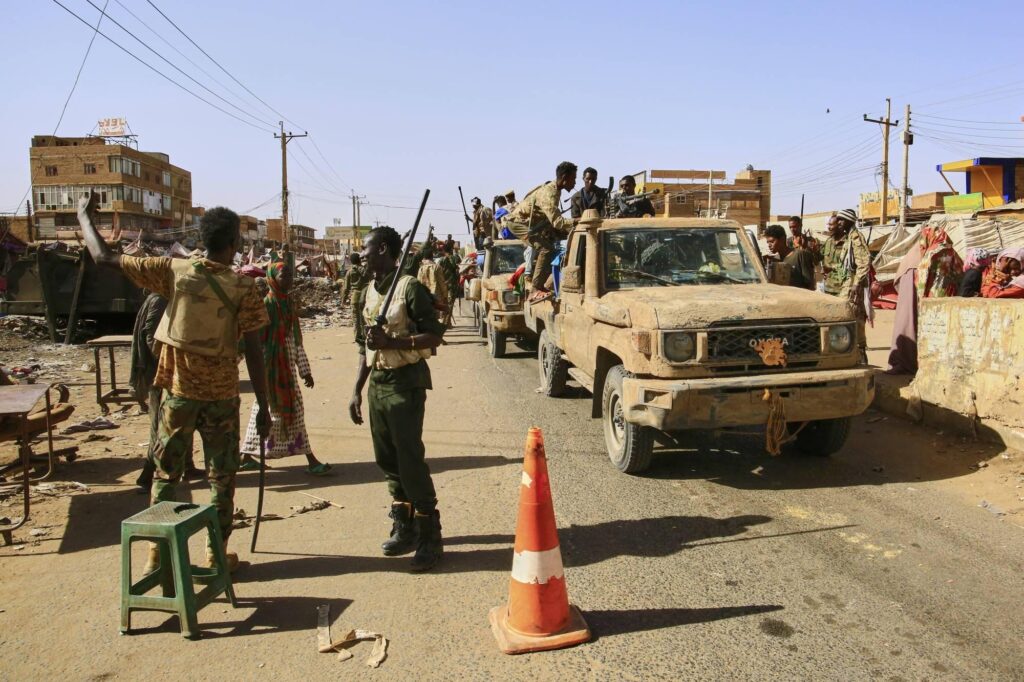
The conference, which begins Wednesday, comes as the war continues and living conditions deteriorate across Sudan, making it a critical moment to refocus international attention on the conflict.
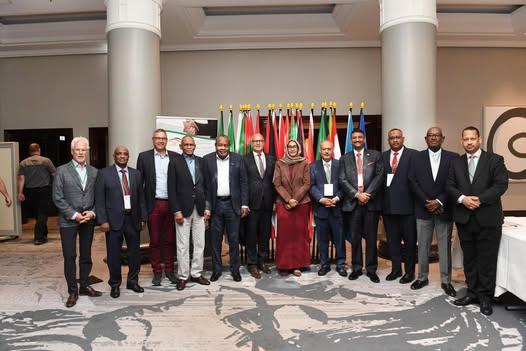
Organised as a multi-track initiative, the gathering includes three main components: a political ministerial meeting, a humanitarian coordination session, and a Sudanese civil society forum.
The political track brings together Germany’s foreign minister, alongside representatives from France, the UK, the African Union and other stakeholders, including the European Union’s envoy to the Horn of Africa. Talks are expected to focus on ending the war between General al-Burhan’s SAF and the Rapid Support Forces (RSF), reviving the political process, and building international consensus for a comprehensive settlement.
Sources say participation by key international groupings, including the so-called “Quad” and “Quint” mechanisms, could increase pressure on actors influencing both sides of the conflict, while helping coordinate diplomatic efforts.
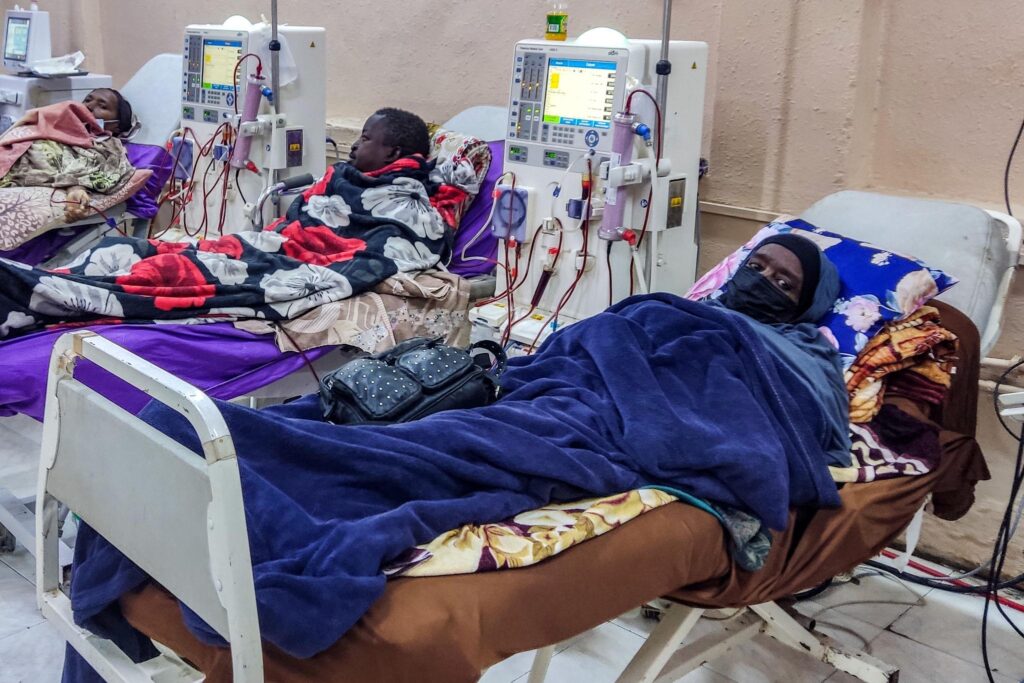
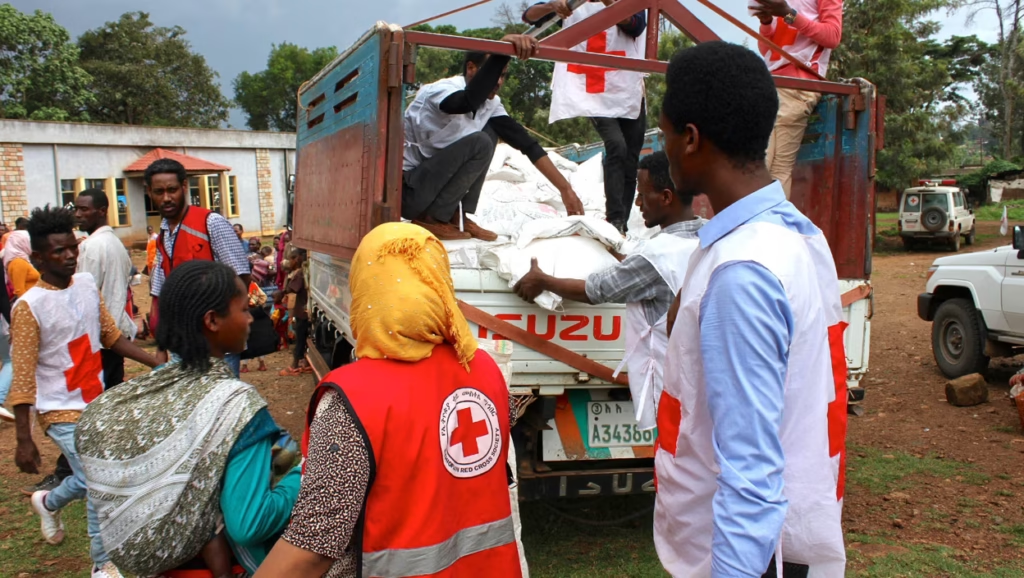
The humanitarian track aims to address one of the world’s worst crises, with millions displaced and facing severe shortages of food and healthcare. UN agencies and relief organisations are expected to push for increased funding and improved access to affected areas, despite ongoing security and logistical challenges.
Meanwhile, the civil track is designed to give space to non-armed Sudanese actors and civil society groups to present visions for the country’s future. Organisers see this as essential to restoring a civilian role in shaping solutions after years of military dominance.
However, doubts persist over whether pledges made at the conference will be fulfilled, echoing concerns from previous meetings in London and Paris.
Participants held a preparatory meeting in Addis Ababa a day earlier, where they agreed on the need for a ceasefire, a humanitarian truce, and a Sudanese-owned political process. International donors are expected to remain engaged to ensure commitments are met, with follow-up led by the Quint mechanism.
Notably, both sides of the conflict were excluded from the conference, a decision sources say reflects the lack of progress toward peace on the ground and the continued dominance of military approaches over political solutions.
The Sudan Founding Alliance (TASIS) issued a warning against what it described as attempts to include fronts linked to the Islamic Movement, cautioning that such participation could undermine the civilian voice and obstruct peace efforts.
In a statement, TASIS criticised what it called “fundamental shortcomings” in the conference, arguing it may fall short of delivering a credible and inclusive political process.
Port Sudan has strongly rejected the conference, warning it will not be bound by any outcomes. Prime Minister Kamil Idris said Germany still has time to “make the right decision,” adding that excluding the government would render the conference ineffective.
“If the Berlin conference does not include Sudan’s government, I can say with full confidence it will fail,” Idris said, insisting no decisions can be taken on behalf of Sudan without its participation.
Sudan’s foreign ministry said it had already briefed international organisations in Geneva to present Khartoum’s official position rejecting the process.
Darfur regional governor Minni Arko Minnawi also expressed scepticism, describing the conference as disconnected from the realities of the conflict. He said invitations appeared inconsistent with the agenda and criticised the absence of key stakeholders, calling the meeting “strange” and unlikely to produce meaningful results.
Despite the criticism, some groups have welcomed the initiative. The Emergency Lawyers group urged participants to take concrete steps, including ensuring safe and sustained humanitarian access and establishing protected corridors for aid delivery.
Ultimately, the success of the Berlin conference is likely to depend on whether international actors can exert real pressure on Sudan’s warring parties to engage in serious negotiations. Deep regional and international divisions, however, may limit the chances of reaching a unified approach.