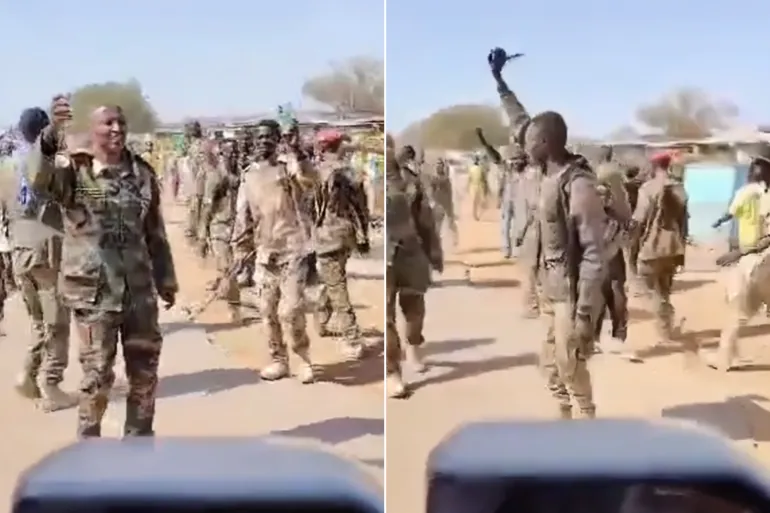
A surge in alleged abuses by General al-Burhan’s army (SAF) is deepening fears that civilians across Sudan are facing a widening campaign of violence, arbitrary detention and extrajudicial killings.
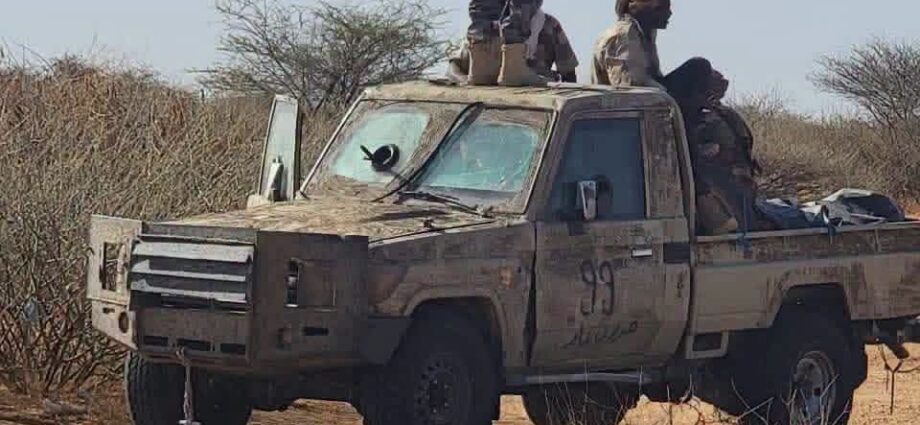
In North Kordofan, footage circulating on social media has triggered outrage, appearing to show armed personnel in military and police uniforms assaulting nomadic civilians near the city of Umm Rawaba.
Local journalist Mohamed Abdelbagi told Radio Dabanga that a joint force of SAF units, police and allied fighters raided nomadic encampments in the Karmal forest area of Umm Esh, targeting Arab pastoralist communities.
According to the account, troops stormed tents and carried out assaults against civilians, including women and children. At least one child suffered a broken leg, while a woman was reportedly shot in the shoulder. Others were injured in beatings.
The raid was also marked by widespread looting, with the force allegedly seizing large sums of cash and around half a kilogram of gold, in addition to livestock. Witnesses said approximately 185 camels, 20 additional camels, and more than 200 sheep and goats were taken and transported to a military base in Umm Rawaba.
When residents later attempted to recover their property, they were told that dozens of camels had gone missing, with no explanation provided.
Local authorities are accused of refusing to investigate the incident. Reports indicate that prosecutors declined to open a case, while police failed to visit the scene or document the injuries sustained by victims.
Witnesses say the attack is part of a broader pattern of abuses since General al-Burhan’s SAF entered Umm Rawaba in mid-2025, including previous mass killings and village raids targeting specific communities.
Meanwhile in South Kordofan, a rights monitor has accused security forces of carrying out executions and holding hundreds of civilians in detention without due process.
The Nuba Mountains Human Rights Observatory said at least 228 civilians are currently held in prisons and detention facilities in Kadugli, including women and minors. Of those, at least nine detainees were executed over the past four months.
The report states that detainees are spread across prison facilities, police stations and military intelligence sites, with many held for prolonged periods without clear legal procedures.
It also alleges that arrests are being carried out by military intelligence, security agencies and affiliated armed groups on suspicion of links to the Sudan People’s Liberation Movement or the Rapid Support Forces.
Four detainees have reportedly been sentenced to death under Sudan’s criminal code, though their executions have been delayed due to logistical constraints.
The Observatory warned that conditions in Kadugli’s detention network remain opaque, with limited oversight and growing concerns over arbitrary arrests and enforced disappearances.