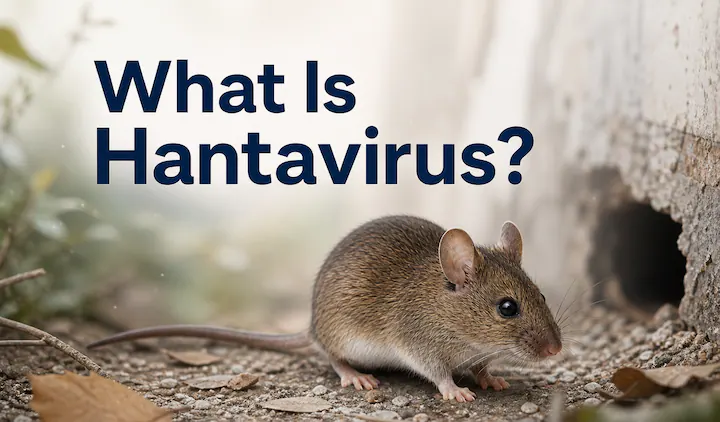
Hantavirus is a rare but potentially deadly virus that circulates primarily among rodents and can spread to humans through indirect contact.
The virus is carried by specific rodent species, which remain infected for life without showing visible signs of illness.
Human infection occurs mainly by inhaling dust contaminated with rodent urine, droppings, or saliva in enclosed or poorly ventilated spaces.
In rare cases, transmission may occur through rodent bites, though airborne exposure remains the most common pathway.
The virus takes its name from the Hantan River in South Korea, where early outbreaks were recorded during the Korean War.
Health experts note that only a limited number of hantavirus strains are known to infect humans, but their effects can be severe.
Symptoms often begin with fever, headaches, muscle aches, and nausea, closely resembling common respiratory infections in early stages.
As the disease progresses, it can rapidly affect vital organs, particularly the lungs, heart, or kidneys, depending on the strain.
In the Americas, hantavirus may lead to cardiopulmonary syndrome, a severe condition that disrupts breathing and heart function.
In Europe and Asia, infections more commonly result in haemorrhagic fever with renal syndrome, affecting blood vessels and kidney function.
Diagnosis can be difficult due to overlapping symptoms with other illnesses, requiring laboratory tests to confirm infection.
There are no vaccines or specific antiviral treatments, leaving medical care focused on managing symptoms and supporting organ function.
Preventing infection relies on avoiding contact with rodents and their waste, particularly in areas where infestations are likely.
Although global case numbers remain relatively low, hantavirus carries a significant fatality risk, making awareness and prevention essential.