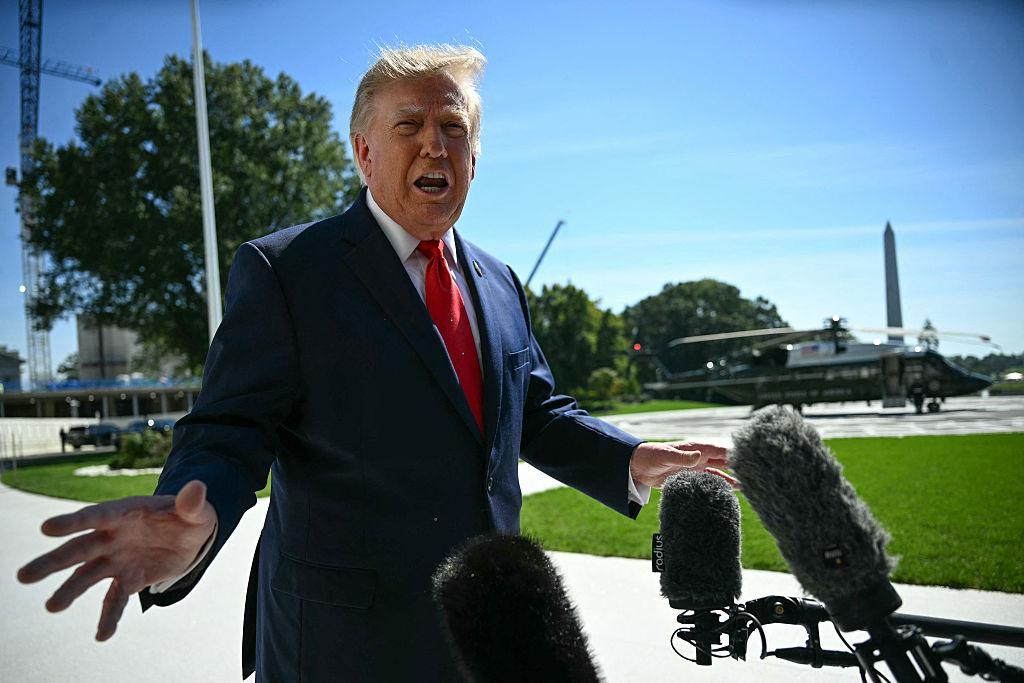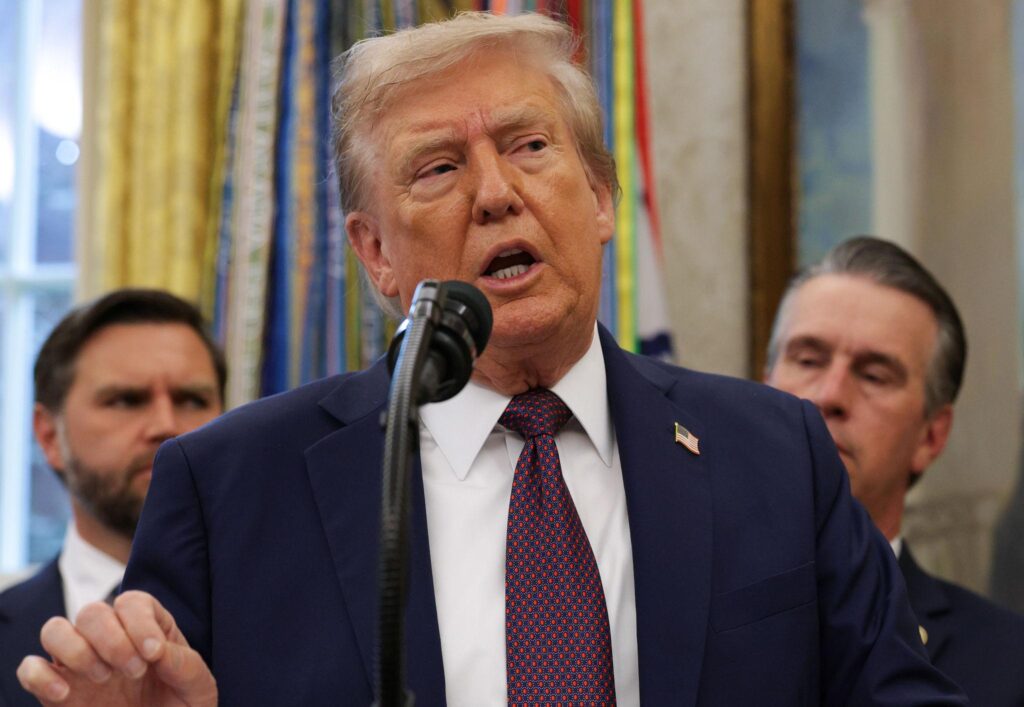
Donald Trump on Tuesday sharply escalated rhetoric against Iran, saying Tehran “should wave the white flag of surrender” even as a fragile ceasefire continues to hold unevenly across the Gulf.
Speaking at the White House, Trump dismissed Iran’s military capabilities as severely degraded, claiming its forces had been reduced to firing “peashooters” following weeks of confrontation with U.S. forces in and around the Strait of Hormuz.
“They want to make a deal,” Trump told reporters. “And who wouldn’t, when your military is totally gone?”
Ceasefire in name, conflict in practice
Despite Trump’s comments, the situation on the ground suggests the conflict is far from settled.
U.S. officials have maintained that a ceasefire framework—first announced in early April—remains technically in place. However, repeated naval clashes, drone interceptions, and missile exchanges in the Gulf have blurred the line between ceasefire and active conflict.
The U.S. military says it has secured shipping lanes through the Strait of Hormuz after Iran effectively imposed a blockade earlier in the conflict, a move that disrupted global energy markets and triggered a surge in insurance and freight costs.
Trump praised the U.S. maritime operation, describing the blockade enforcement as “like a piece of steel,” signaling confidence that Washington has regained control of one of the world’s most critical energy corridors.
Pressure campaign intensifies
Trump’s remarks reflect a broader U.S. strategy of maximum pressure—combining military force, economic restrictions, and psychological signaling.
By framing Iran as weakened and eager for negotiations, Washington appears to be shaping the narrative ahead of any potential talks, while also deterring further escalation.
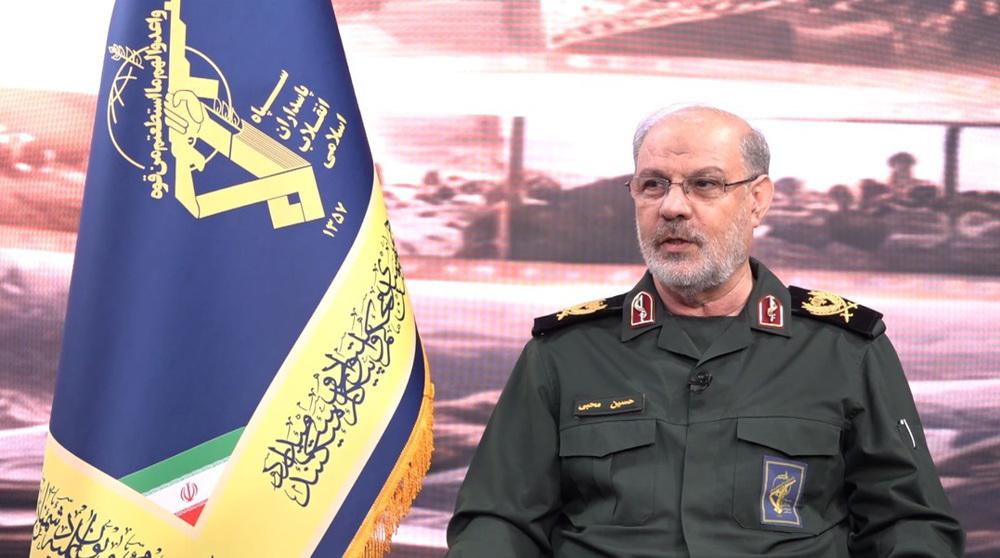
However, Tehran has publicly rejected such claims, continuing to project defiance and insisting it retains control over key strategic capabilities.
Strategic stakes: oil, shipping, and regional power
At the center of the standoff is the Strait of Hormuz, through which roughly a fifth of global oil supply passes. Any disruption carries immediate global consequences, particularly for energy-importing regions.
The confrontation has also drawn in wider regional dynamics, with heightened alert levels among Gulf states and increased military presence by Western allies.
Unclear red lines
Trump declined to specify what actions would constitute a violation of the ceasefire, saying only: “They know what not to do.”
The ambiguity underscores the fragile nature of the current arrangement, where neither side has formally declared an end to hostilities, yet both continue to test limits.
Outlook: fragile pause or next phase?
While Washington projects confidence, the gap between rhetoric and reality remains significant.
Iran’s capacity to harass shipping and launch asymmetric attacks has not been fully eliminated, and analysts warn that continued brinkmanship could quickly spiral back into full-scale confrontation.
For now, the situation remains a tense standoff—part ceasefire, part ongoing conflict—where messaging, military posture, and timing will determine whether the next move is diplomacy or escalation.