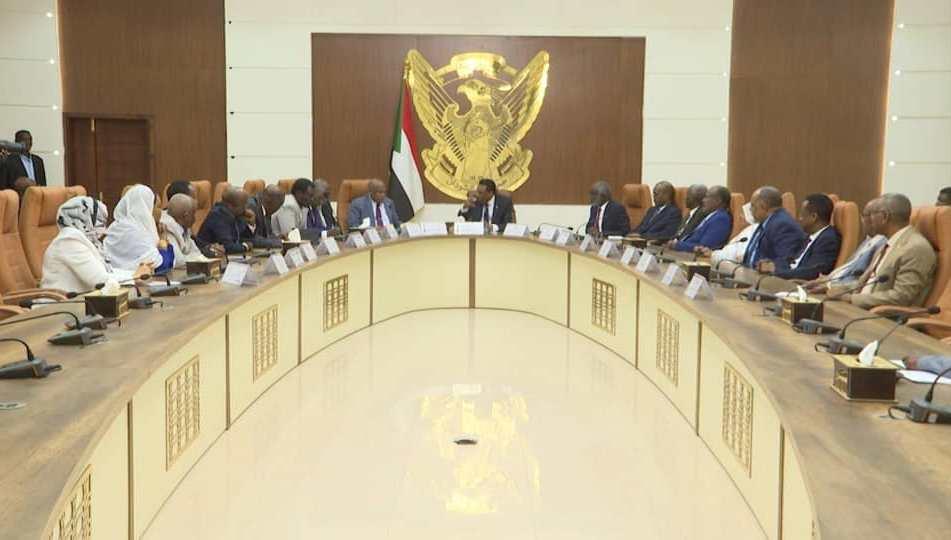
Sudan’s self-declared Peace Government is positioning its newly announced cabinet as a response to what analysts describe as a deliberately engineered governance vacuum across war-affected regions of the country.
Prime Minister Mohammed Hassan al-Taayshi unveiled the cabinet under the 2025 transitional constitution and the founding charter of the Sudan Founding Alliance (TASIS), in a move aimed at rebuilding state institutions amid the fallout of the April war.
The formation includes ministers, deputy ministers and senior officials across key sectors, as authorities attempt to restore governance in areas that have slipped from central control and now face a near-total absence of state services.
The announcement comes as Sudan continues to grapple with institutional collapse, with large parts of the country lacking functioning security, judicial, education and healthcare systems.
‘Engineered collapse’
Sudanese thinker Al-Nour Hamad said the formation of the Peace Government reflects a necessity imposed by widespread administrative and security breakdown, rather than a conventional political transition.
Speaking to local outlet Idraak, Hamad accused Port Sudan-based authorities of deliberately creating a comprehensive vacuum by withdrawing state institutions and halting essential services, including security, judiciary, education, healthcare and telecommunications.
He said the resulting paralysis has triggered severe humanitarian consequences, including thousands of students missing exams, unpaid public sector salaries and the deterioration of basic services.
According to Hamad, the Peace Government is seeking to fill this gap by restoring security, reactivating the judicial system and addressing urgent humanitarian needs.
However, he cautioned that success will depend on the government’s ability to dismantle entrenched corruption, manage regional tensions and rebuild social cohesion.
Positive signals, structural risks
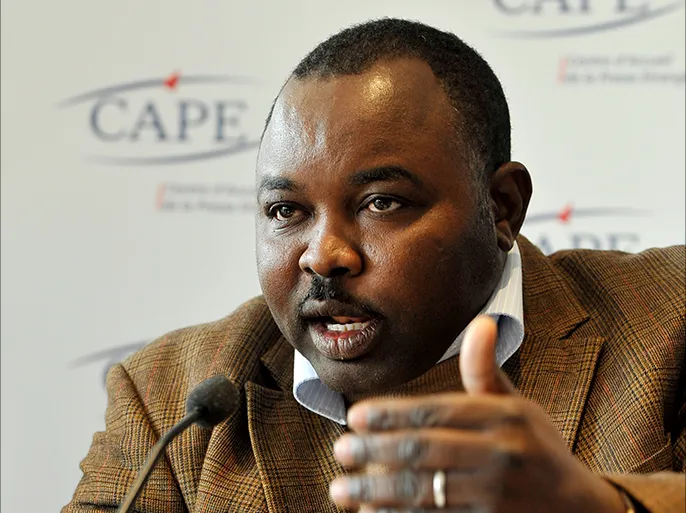
Governance expert Al-Waleed Adam Madibo offered a more measured assessment, saying the cabinet formation carries some positive indicators, including regional diversity and the participation of women in key positions.
He said the lineup reflects a partial shift away from traditional quota-based politics and includes a mix of experience and technical expertise typical of coalition governments.
But Madibo warned that the expanded size of the executive — which exceeds constitutional limits on the number of ministers — could place additional strain on already fragile financial and administrative systems.
He stressed that success will depend not only on ministers, but also on the effectiveness of mid-level administrative structures, calling for investment in institutional capacity and the adoption of digital governance models to improve efficiency.
Madibo outlined three key conditions for success: securing political and diplomatic backing, developing realistic economic policies and strengthening state institutions.
Legitimacy and restoring the state
Legal expert Nasr al-Din Rahhal said the Peace Government derives its legitimacy from the transitional constitution and the TASIS founding charter, in an effort to fill the constitutional vacuum created by the war.
He noted that the April 2023 conflict led to the collapse of state institutions, depriving large segments of the population of essential services, particularly access to justice.
Rahhal said restoring the judiciary should be a top priority, emphasizing the need for independence and merit-based appointments to re-establish the rule of law.
A high-stakes test
The formation of the Peace Government marks an early step in what is expected to be a complex and uncertain process of rebuilding the Sudanese state from its fragmented, war-affected regions.
While the move carries cautious optimism, it faces deep-rooted challenges that extend far beyond cabinet appointments.
Ultimately, its success will be measured by its ability to restore public trust, deliver basic services and impose rule of law — as well as its capacity to lay the groundwork for a broader and more inclusive peace.
For now, the government faces a stark test: whether it can translate political declarations into functioning institutions, or join a growing list of initiatives that have struggled to overcome Sudan’s entrenched crises.