The fight over the proposed U.S.-Iran memorandum is no longer just about whether a deal is close. It is about what the deal actually means.
Leaked versions of the draft describe an interim arrangement that appears to give Iran early economic relief, reopen the Strait of Hormuz and delay nuclear talks for 60 days. U.S. President Donald Trump says that account is false, insisting the real agreement would give Tehran no benefits until it performs.
That leaves two rival deal sheets emerging from the same document.
| Issue | Iranian / leaked version | U.S. / Trump version |
|---|---|---|
| Frozen funds | Iran gets billions in blocked assets released quickly. | Iran gets no money until it complies. |
| Sanctions | Washington waives or eases oil-export sanctions. | Relief is phased and performance-based. |
| Strait of Hormuz | Iran reopens the waterway as part of reciprocal concessions. | Iran must reopen Hormuz and restore free shipping first. |
| U.S. naval pressure | Iran wants U.S. pressure on its ports and shipping lifted. | The U.S. frames any easing as conditional on Iran ending threats to maritime traffic. |
| Nuclear file | Talks on the nuclear programme are postponed for 60 days. | Iran must remove and destroy highly enriched uranium and dismantle its nuclear programme. |
| Armed groups | Iran wants wider regional hostilities addressed, including Lebanon. | Iran must stop funding armed groups. |
| Ceasefire | The memorandum extends the pause while final talks continue. | The pause is only a compliance window, not a reward. |
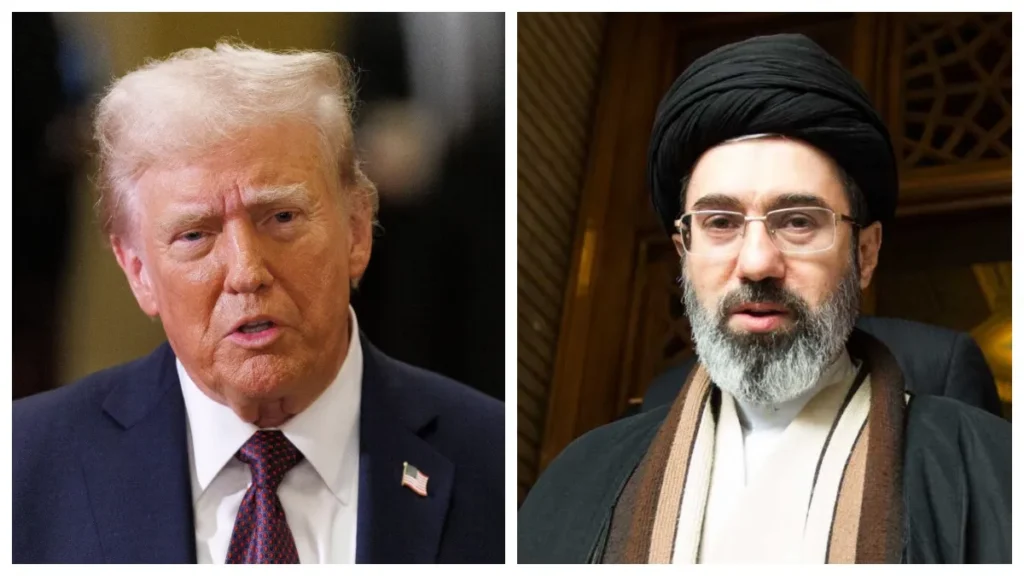
| Signature / approval | Tehran has not publicly confirmed final approval, while Iranian-linked reporting has described approval as likely but not official. | Trump says he understands Iran’s Supreme Leader, Ayatollah Mojtaba Khamenei, has approved the deal, and says Vice President JD Vance could sign for the U.S. |
Tehran appears to be selling the memorandum as relief first, nuclear later. Trump is trying to sell it as compliance first, relief later.
Both sides may be discussing the same paper, but they are not selling the same deal.
For Iran, the draft is being framed as a way to unlock money, ease sanctions and reopen maritime traffic without surrendering its nuclear bargaining chips at the start.
For Washington, the same draft is being framed as a pressure mechanism: Hormuz first, nuclear concessions first, regional restraint first, and only then relief.
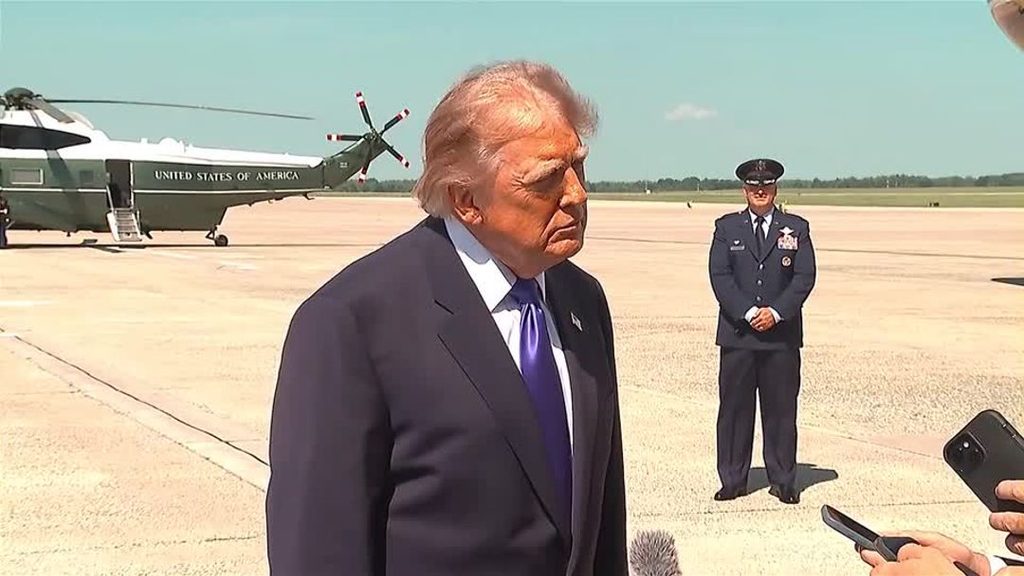
The signature question adds another layer of uncertainty. Trump has said he believes Iran’s Supreme Leader, Ayatollah Mojtaba Khamenei, has approved the proposed deal, saying he understood the answer was “yes” when asked at the White House. He has also said Vice President JD Vance could sign the agreement for the United States in Europe.
Tehran, however, has not publicly confirmed final approval. Iran’s Foreign Ministry has said no final decision has been made and that speculation about the timing or location of any signing is premature. Axios reported that the proposed memorandum, possibly to be known as the Islamabad Agreement, still awaits final approval from both sides, even as preparations continue for a possible signing ceremony in Geneva.
That gap may explain why Trump moved quickly to reject the leaked terms. If Iran’s version defines the agreement, the deal looks less like a U.S. victory and more like a temporary timeout that gives Tehran money, time and leverage.
If Trump’s version is accurate, then Iran would be accepting major nuclear and regional concessions before receiving meaningful economic relief, something Tehran has publicly resisted.
The proposed memorandum may therefore be less a final peace deal than a battle over who gets to define the next 60 days.
It is also a battle over who can claim the authority to close it. Trump is speaking as if Iran’s top leadership has already signed off. Tehran is still publicly saying the decision has not been made.
That may be the real deal point: both sides appear to need the same document to mean very different things before anyone actually signs it.