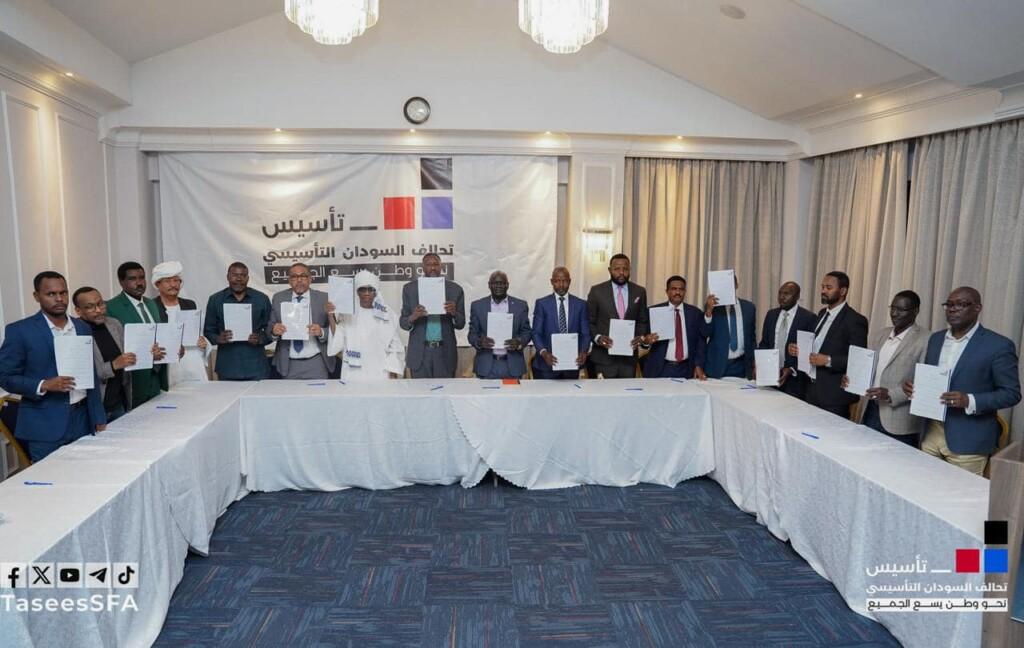
A new cash rollout in Darfur has brought a measure of relief to markets struggling with severe liquidity shortages, as TASIS-linked authorities move to restore salary payments and revive local trade in areas cut off from Sudan’s formal banking system.
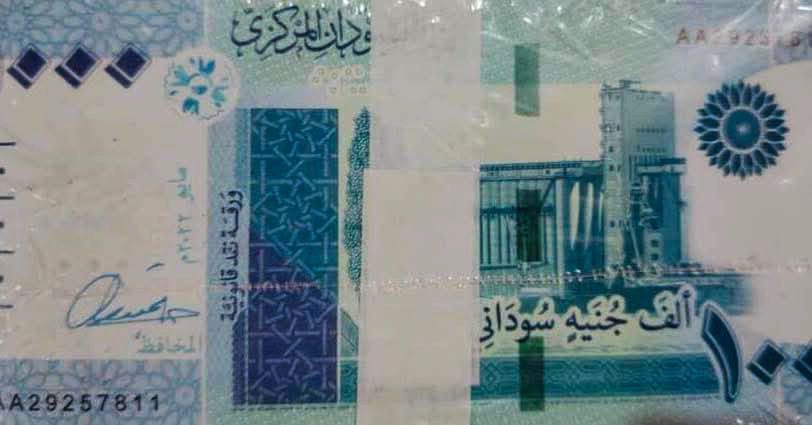
Traders and residents in El Fasher said new 500 and 1,000 Sudanese pound notes have begun circulating after RSF forces and allied groups received salaries in local currency instead of US dollars.
The move follows similar reports from Nyala and other areas under TASIS influence, where authorities have been seeking to address the collapse of banking services and the shortage of physical cash caused by the war.
According to Darfur24, the banknotes circulating in Darfur carry the signature of Hussein Yahya Jangoul, the former Central Bank governor appointed by the TASIS-backed government to lead its monetary authority.
The cash injection has helped ease pressure in markets where residents have faced high transfer fees, limited access to bank branches and rising reliance on informal financial networks.
Traders said the new liquidity has allowed more buying and selling in local markets, even as prices remain under pressure because of the wider economic crisis and the fall of the Sudanese pound against foreign currencies.
The rollout marks another step in TASIS’s effort to move from political declarations toward practical administration in areas under its influence. In recent weeks, TASIS-linked authorities have also overseen school exams, judicial activity, security bodies and other public service initiatives.
For many residents in Darfur, the immediate issue is not institutional rivalry but access to cash, salaries and basic market activity after years of war disrupted banking, trade and public services.
Darfur has suffered a severe financial breakdown since the conflict began in April 2023, with many commercial banks closed, cash reserves depleted and ordinary people forced to pay high commissions for electronic transfers.
By paying salaries in Sudanese pounds and pushing cash back into circulation, TASIS-linked authorities are attempting to stabilise daily economic life and reduce dependence on dollars in areas where formal state institutions have largely stopped functioning.