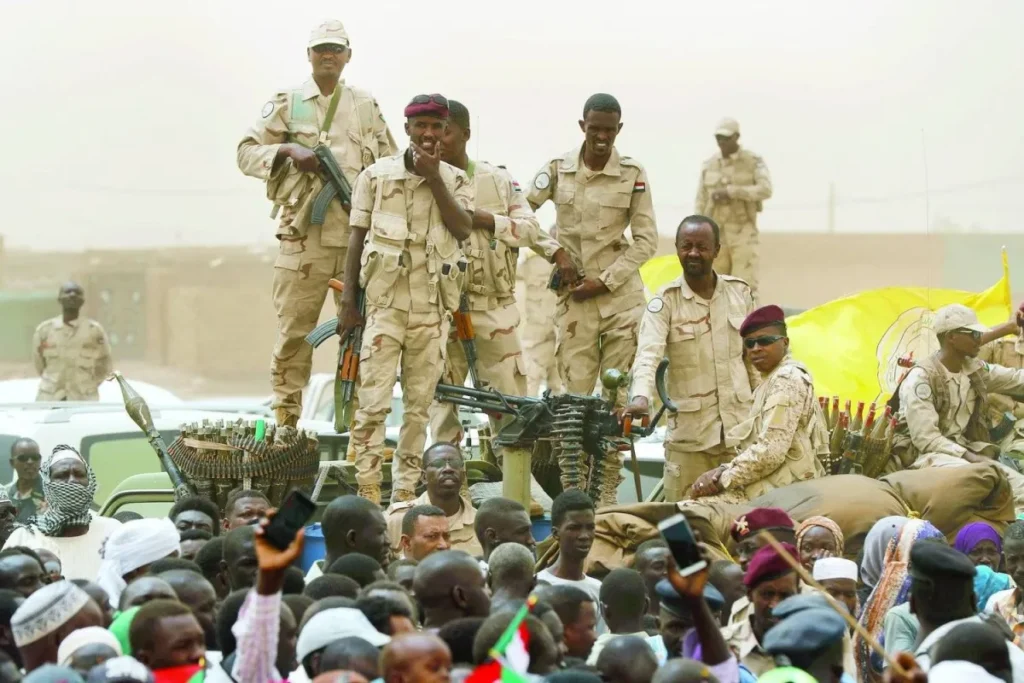
Authorities in Nyala moved to contain a tribal flashpoint after the brief detention of RSF commander Issam Mukhtar triggered protests by members of the Beni Halba community, raising concerns that former regime networks are trying to exploit local grievances to undermine stability in South Darfur.
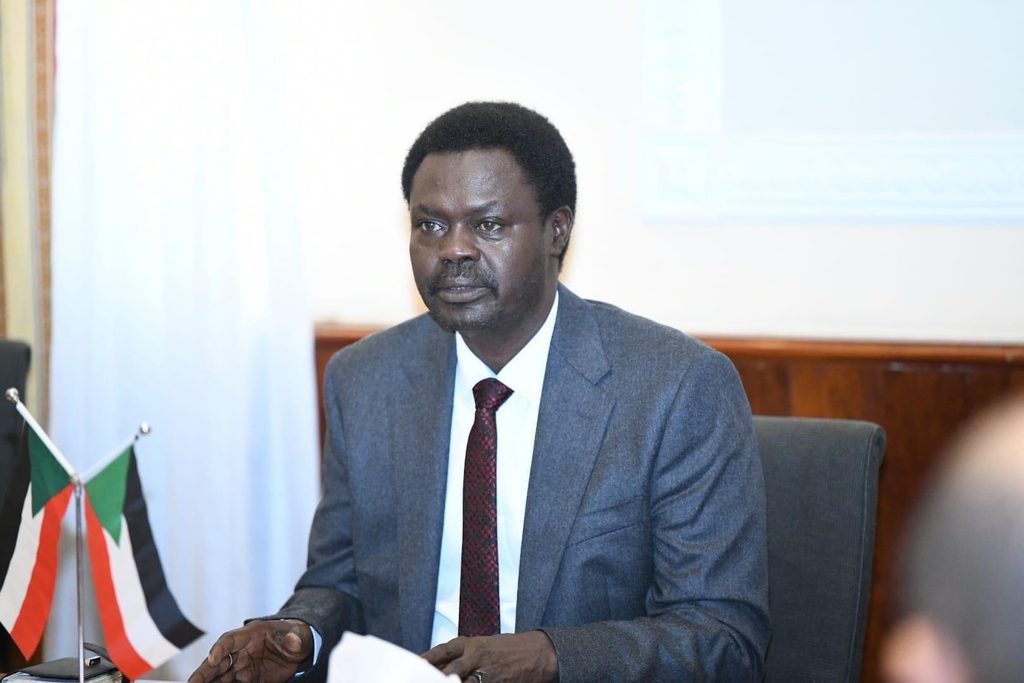
Mukhtar, who was taken on Thursday evening and later released, said an armed group accused him of maintaining contact with Beni Halba figures aligned with General al-Burhan’s army. He denied the allegation, saying his phone was searched and no evidence was found of communication with SAF-linked figures or the SAF itself.
News of his detention sparked tension in Nyala on Friday, with members of the Beni Halba blocking several main roads and demanding his release and clarification over the circumstances surrounding the incident.
Speaking after his release, Mukhtar said the group that held him was unable to transfer him to any formal detention site or RSF military facility because of pressure from relatives and community leaders. He said local intervention helped end the matter before it escalated further.
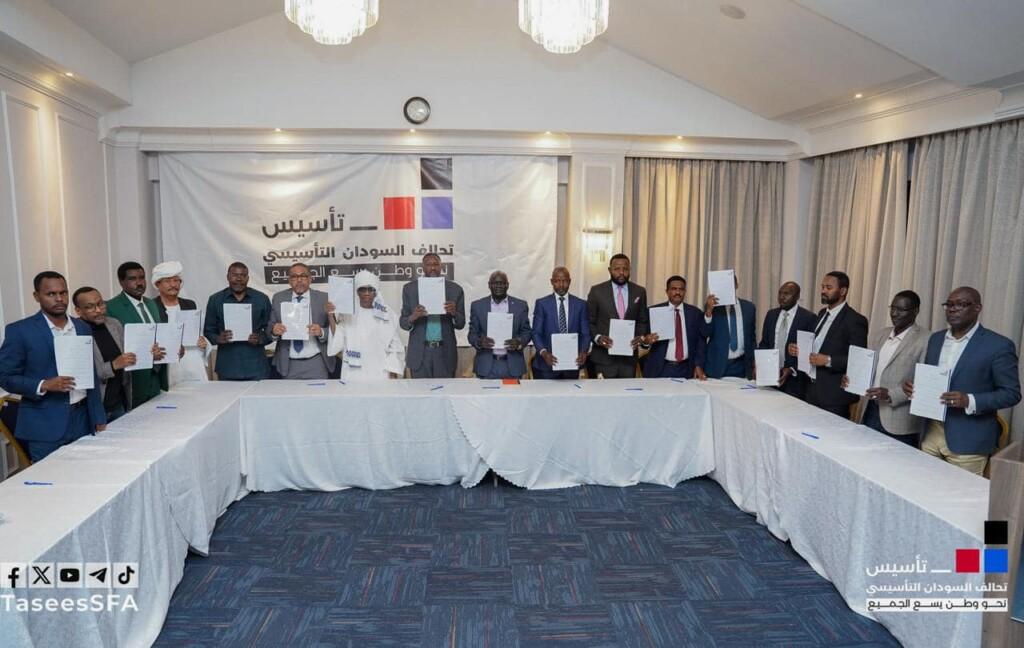
The incident comes at a sensitive moment for Nyala, where TASIS and the RSF have sought to restore public order, reopen services, facilitate the return of displaced families and prepare for the agricultural season after months of war.
In separate statements, both the RSF and the TASIS government accused networks linked to the former regime of trying to inflame tribal divisions and spread disorder.
The RSF said it had monitored attempts by the Islamic Movement in several areas to provoke tribal disputes, disrupt public services and undermine civilian security, particularly as Sudanese certificate examinations were taking place.
It said security forces had dismantled cells linked to the SAF and military intelligence, accusing them of working to fuel intercommunal violence, burn markets and sabotage services with direct coordination and financial support from Islamic Movement leaders.
The RSF said the same networks had long relied on manufacturing tribal conflicts as a political tool, and argued that the latest activity was intended to derail improving living conditions and security in areas under its control.
The force said it had put in place a security plan to confront attempts to spread chaos, threaten citizens or reverse gains made in stabilizing local communities.
The TASIS government issued a similar warning, saying its security bodies had detected organized activity aimed at disturbing public order, stirring unrest and obstructing the return of normal life in towns and rural areas.
It said elements connected to the former regime were using incitement, tribal agitation and bribery to confuse the situation on the ground and weaken public confidence as displaced families return and services resume.
TASIS said it would not allow any group to obstruct the path toward stability or threaten public security. It said the rule of law would apply to all without exception, and that anyone proven to have incited violence, disrupted public life, endangered citizens or damaged property would face legal measures.
The Nyala incident underlines the challenge facing emerging civilian and security structures in South Darfur: containing local tensions without allowing former regime networks to turn tribal disputes into a wider campaign against stability.