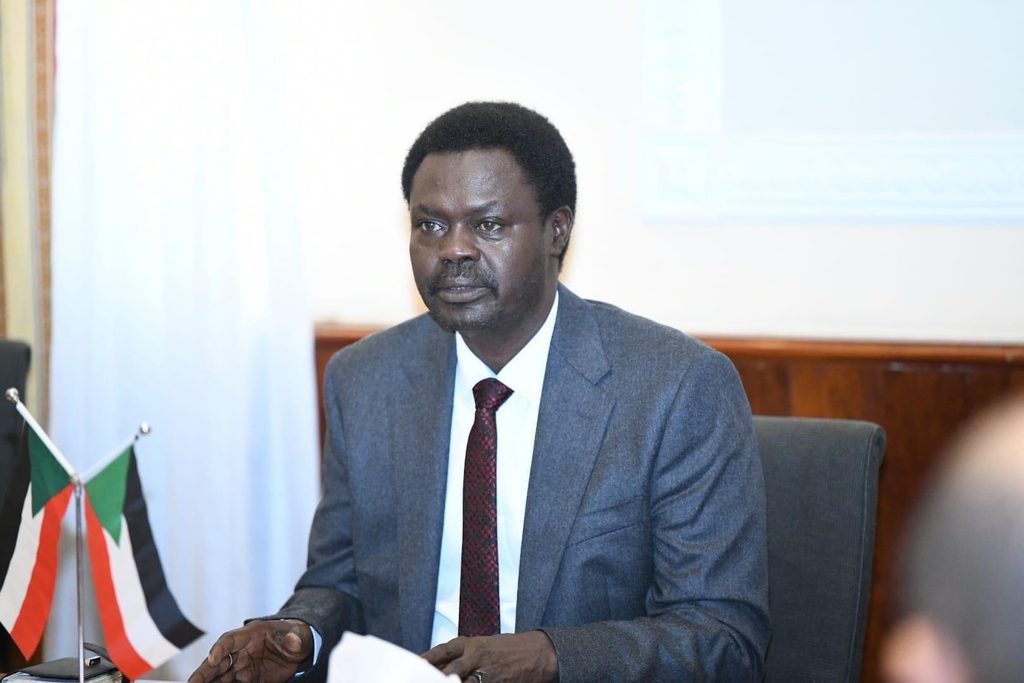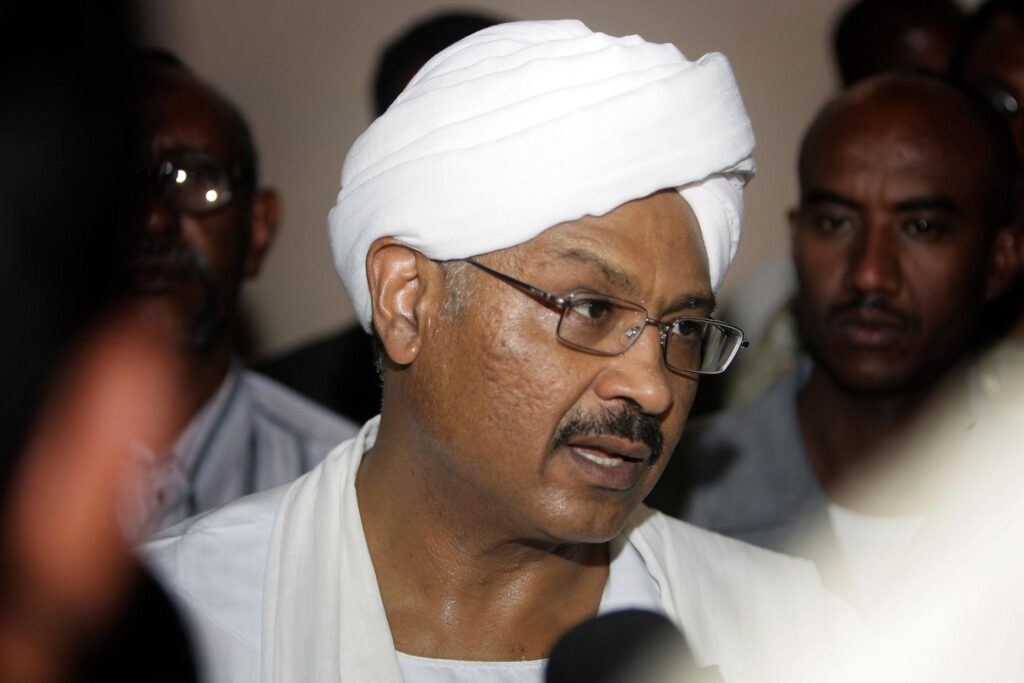
Umma Party leader Mubarak al-Fadil al-Mahdi has accused Sudan’s Port Sudan authorities of creating the country’s fuel crisis, saying their latest decisions show they do not understand the scale of the economic breakdown they helped produce.
In a post on X, al-Fadil questioned how the authorities could claim they would import fuel when they lack the money needed to open a confirmed letter of credit.
He said Sudan’s fuel traders hold large sums in banks outside the country and do not pay upfront for imports. Instead, he said, they use foreign balances as guarantees for deferred payment, sell fuel inside Sudan, then buy dollars with the proceeds to settle the cost of the shipments.
Al-Fadil argued that the real pressure on Sudan’s fuel supply comes from the war machine itself, saying the SAF and the militias fighting alongside it are the largest consumers of imported fuel.
He estimated that they consume about 90 percent of the fuel entering the country, noting that much of Sudan’s normal economic activity has been frozen since the war erupted in April 2023.
His remarks come as Sudan’s currency and basic food prices continue to collapse under the Port Sudan authorities. The Sudanese pound has fallen past 6,000 to the U.S. dollar on the parallel market, while bread prices have jumped again, with one piece now selling for around 350 pounds, or 1,400 pounds for four pieces.
The figures underline how the fuel crisis has moved quickly from pumps and import accounts into daily survival. With petrol reportedly exceeding 40,000 pounds a gallon in some areas, bakeries have blamed higher flour, transport and production costs for the latest bread increase.
For civilians, al-Fadil’s comments point to a deeper contradiction at the heart of the crisis: a state that cannot finance essential imports, while its SAF and allied militias consume the bulk of the fuel needed to keep the war going.